Politics
US and Iran to sign unclear agreement in Switzerland as tensions ease
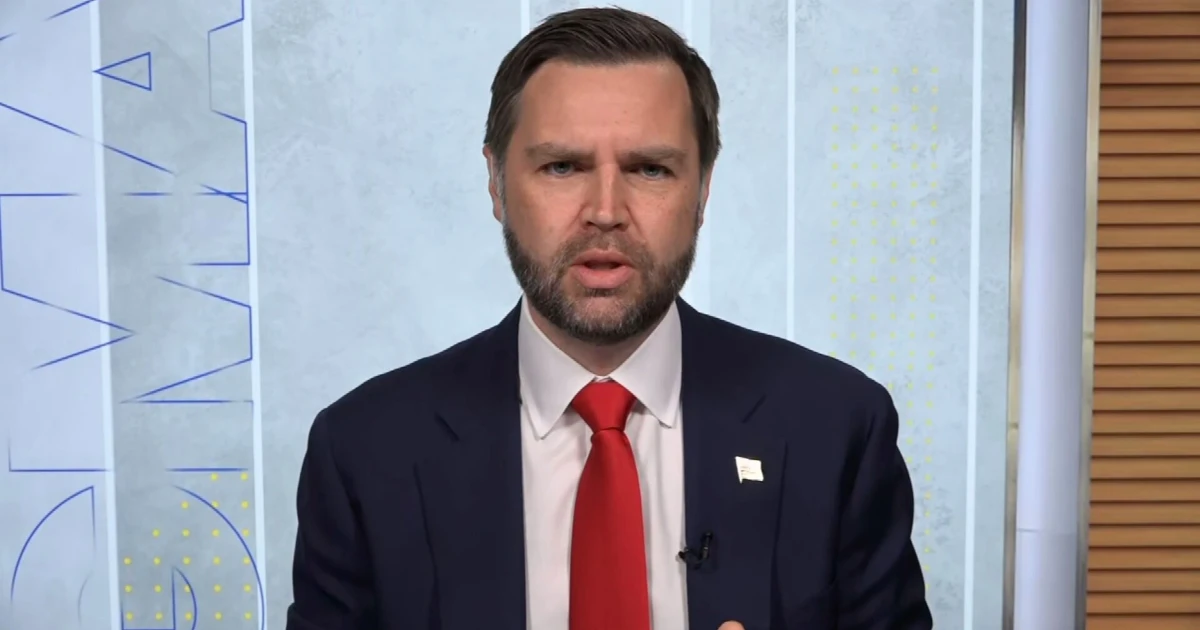
The White House is moving toward a formal U.S.-Iran agreement in Switzerland while keeping the text under wraps, a sign that the real fight may be over what the deal says, not whether a ceremony happens. President Donald Trump said JD Vance will travel to Switzerland for the signing, which is expected on Friday, June 19, 2026, as Washington tries to turn a roughly four-month confrontation into something more durable.
What makes the next 24 hours matter is not just the signature itself, but the unanswered questions around it. Officials have described the arrangement as initially verbal or memorandum-level, with the full text not yet publicly released because of diplomatic sensitivities and possible backchannel commitments. Trump has said the deal would reopen the Strait of Hormuz, the critical oil shipping route, and one reported framework would give the two sides 60 days for follow-on nuclear negotiations. Other descriptions have linked it to sanctions relief and reduced military tensions, but those terms remain unpublished.
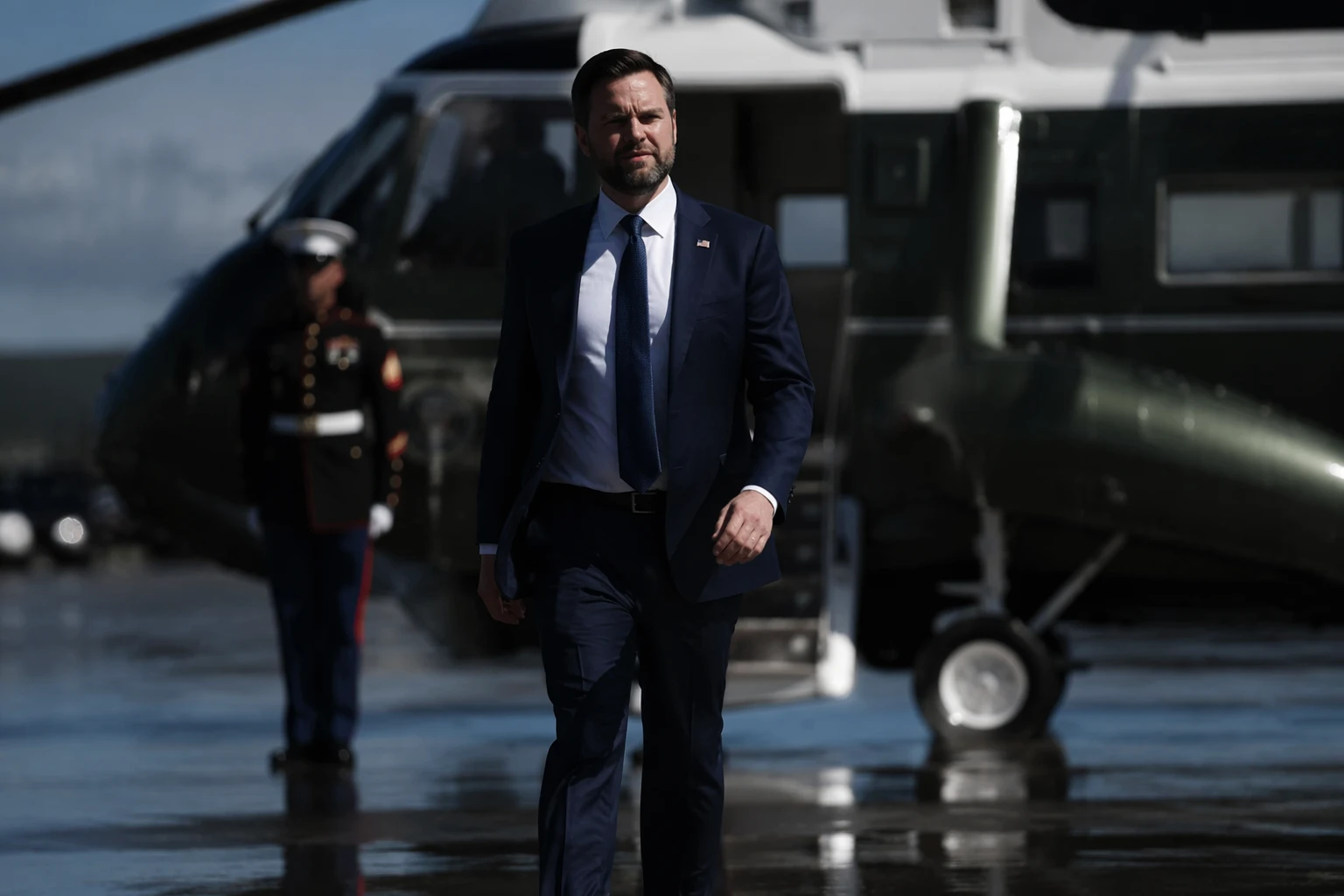
Vance has done little to quiet the uncertainty. He said there is still “a lot” to work out and said the United States has “all the cards.” He also rejected claims that Iran would receive direct money from the U.S. government, a line aimed at easing Republican anxieties and blunting Democratic criticism. The political split is already visible: Democrats are pressing for more clarity on the terms, while hawkish Republicans are directing much of their frustration toward Vance rather than Trump.
The diplomatic timing matters as much as the substance. Trump’s G7 appearance in France is the immediate backdrop, giving the administration a global stage even as the deal’s details remain cloudy. The agreement has been presented as a way to end the conflict and restore pressure on the Strait of Hormuz, but the White House has not yet made public the language that would show how much Iran is giving up, what the United States is promising in return, and whether any hidden commitments are part of the bargain.
By Friday, the key question will be whether the administration can convert a fragile understanding into a document strong enough to survive scrutiny in Washington, calm nervous allies and keep the region from snapping back into confrontation.
Sources
- [1]npr.org
- [2]cnbc.com
- [3]cnn.com
- [4]cbsnews.com
- [5]usatoday.com
- [6]aljazeera.com
- [7]washingtonpost.com
- [8]telegraph.co.uk