World
U.S. and Iran trade conflicting claims over ceasefire and Hormuz Strait
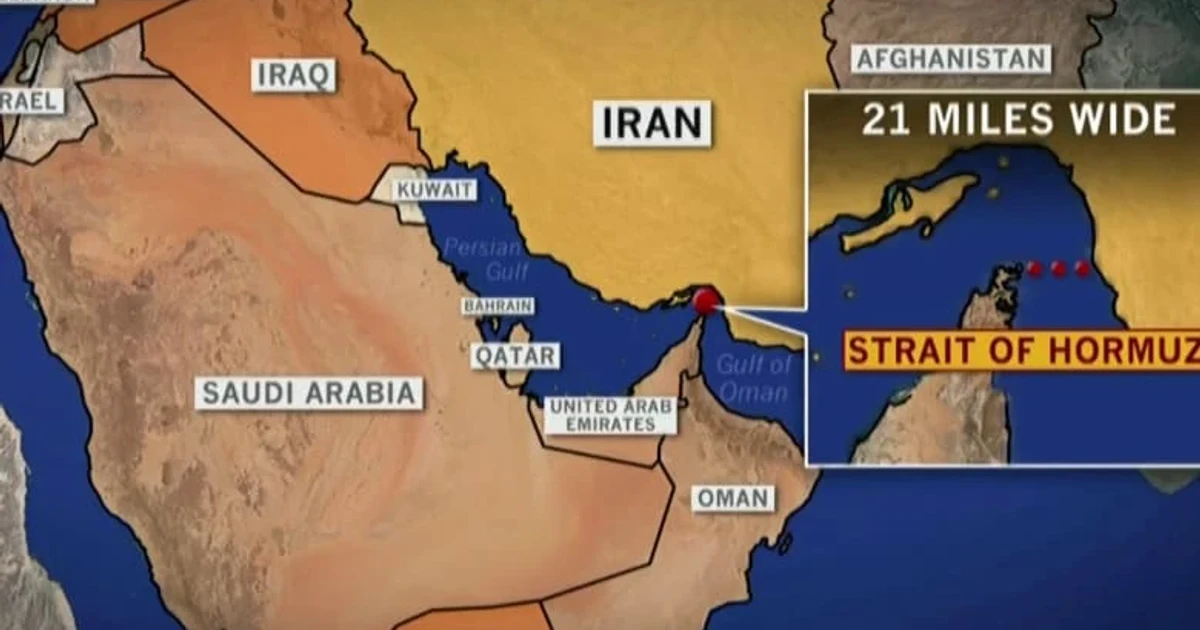
The Trump administration released a 14-point memorandum of understanding on the Iran dispute, while Washington and Tehran kept issuing conflicting claims about a ceasefire and the Strait of Hormuz. CBS News said Weijia Jiang was reporting after another day of boasts, denials and contradictory public statements from both capitals.
The central fight is over the narrow waterway that carries a huge share of global energy traffic. CBS reported that Iran had said in April that the Strait of Hormuz was closed, only for the White House to call that claim false. More recent accounts repeated the same split: Iran’s military again said the strait was shut, while U.S. officials said it remained open. That matters because the White House tied the ceasefire to what President Trump called the “complete, immediate and safe opening” of the strait, making access to the chokepoint a condition with direct implications for oil markets and shipping.
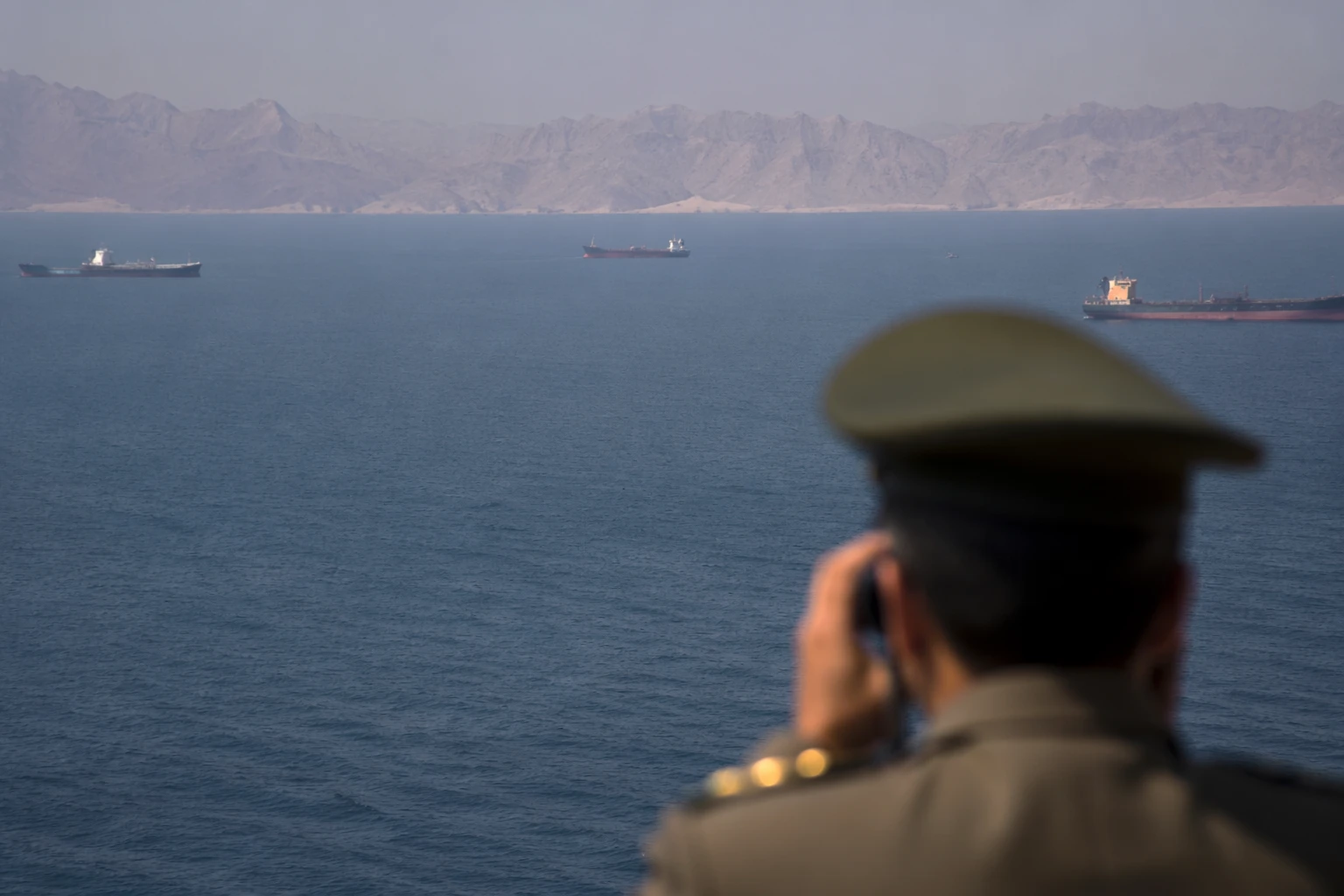
The agreement itself is still wrapped in strategic ambiguity. CBS said the signing was meant to end the conflict, reopen Hormuz and start a 60-day round of talks on broader issues, including Tehran’s nuclear program. The White House also warned that the United States could resume bombing Iran if Iran “doesn’t behave.” Planned talks involving the United States, Iran, Qatar and Pakistan were later postponed by the Swiss foreign ministry, adding another layer of uncertainty to a process already moving through remote and electronic signing.
Congress has now become part of the dispute. Defense News, citing Reuters-linked coverage, said the White House sent the text of the memorandum to members of Congress after Trump signed the preliminary deal to end the war. Lawmakers from both parties have demanded more information. Reports on the draft said the text included changes focused on the Strait of Hormuz and a requirement that highly enriched uranium be destroyed, two issues that remain at the center of the standoff.
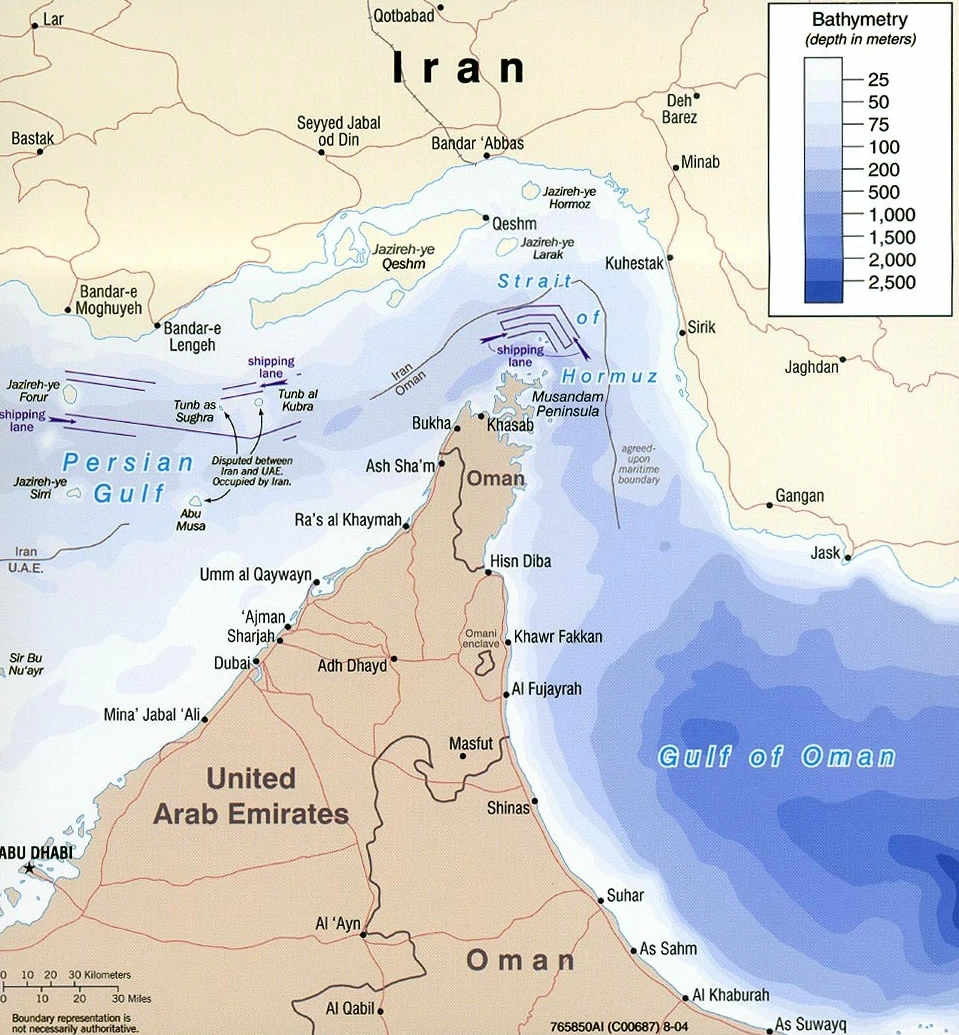
That sequence helps explain why each side has benefited from leaving room for interpretation. Reuters-linked coverage said the key unresolved issues are Iran’s stockpile of highly enriched uranium and the status of the Strait of Hormuz. On June 12, the two sides signaled that an agreement to end the war was close; Trump later announced a ceasefire and said the strait would reopen, and Iran’s foreign ministry spokesperson later said the agreement had gone into effect. The conflicting claims that followed suggest the deal’s public shape is still being contested even as its consequences reach energy shipping, Congress and the future of Iran’s nuclear program.
Sources
- [1]cbsnews.com
- [2]defensenews.com
- [3]usnews.com
- [4]aljazeera.com