World
US and Iran trade fresh strikes as ceasefire teeters in Middle East
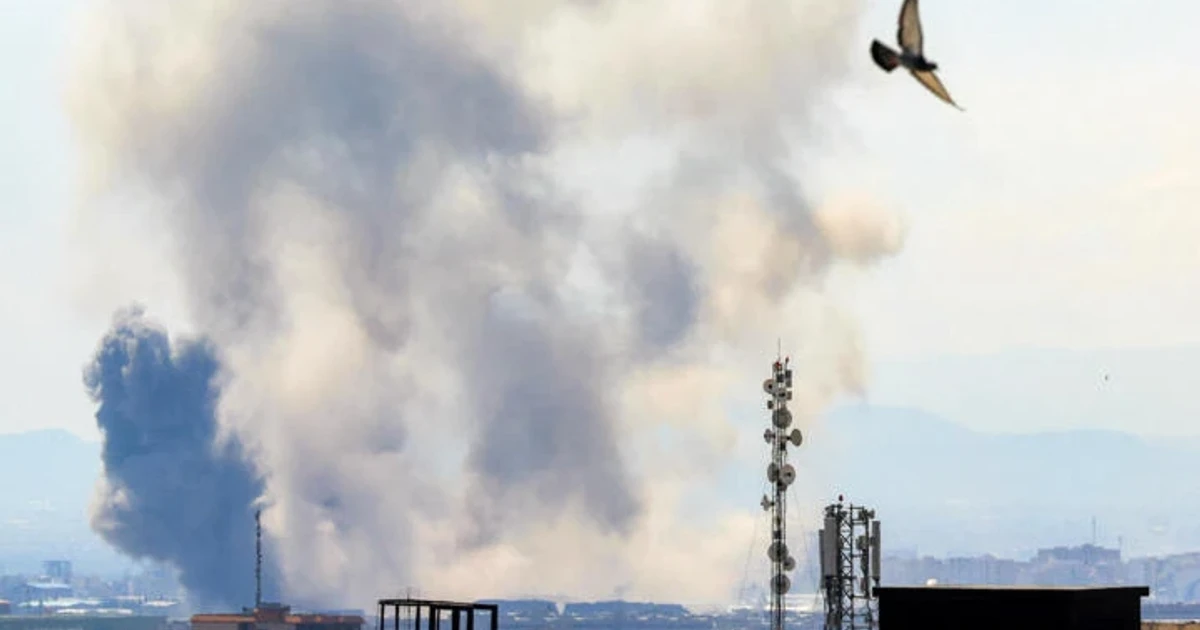
Washington and Tehran edged closer to a wider war as the United States launched a second round of airstrikes on Iran and Iran answered with strikes aimed at Bahrain, Kuwait and Jordan. The exchange came after Donald Trump warned Tehran would “pay the price” for stalled negotiations, showing how quickly a fragile ceasefire could unravel if either side decides compromise looks weaker than escalation.
The latest U.S. operation hit multiple Iranian cities and coastal defenses into Thursday morning, with U.S. Central Command saying it had “completed” the strikes before sunrise. The military said the attacks were carried out by the U.S. Air Force, Marine Corps and Navy and were aimed at Iranian military surveillance capabilities, communication systems and air-defense sites. A U.S. official said the strikes also targeted defense and radar facilities near the Strait of Hormuz and drone command-and-control sites.
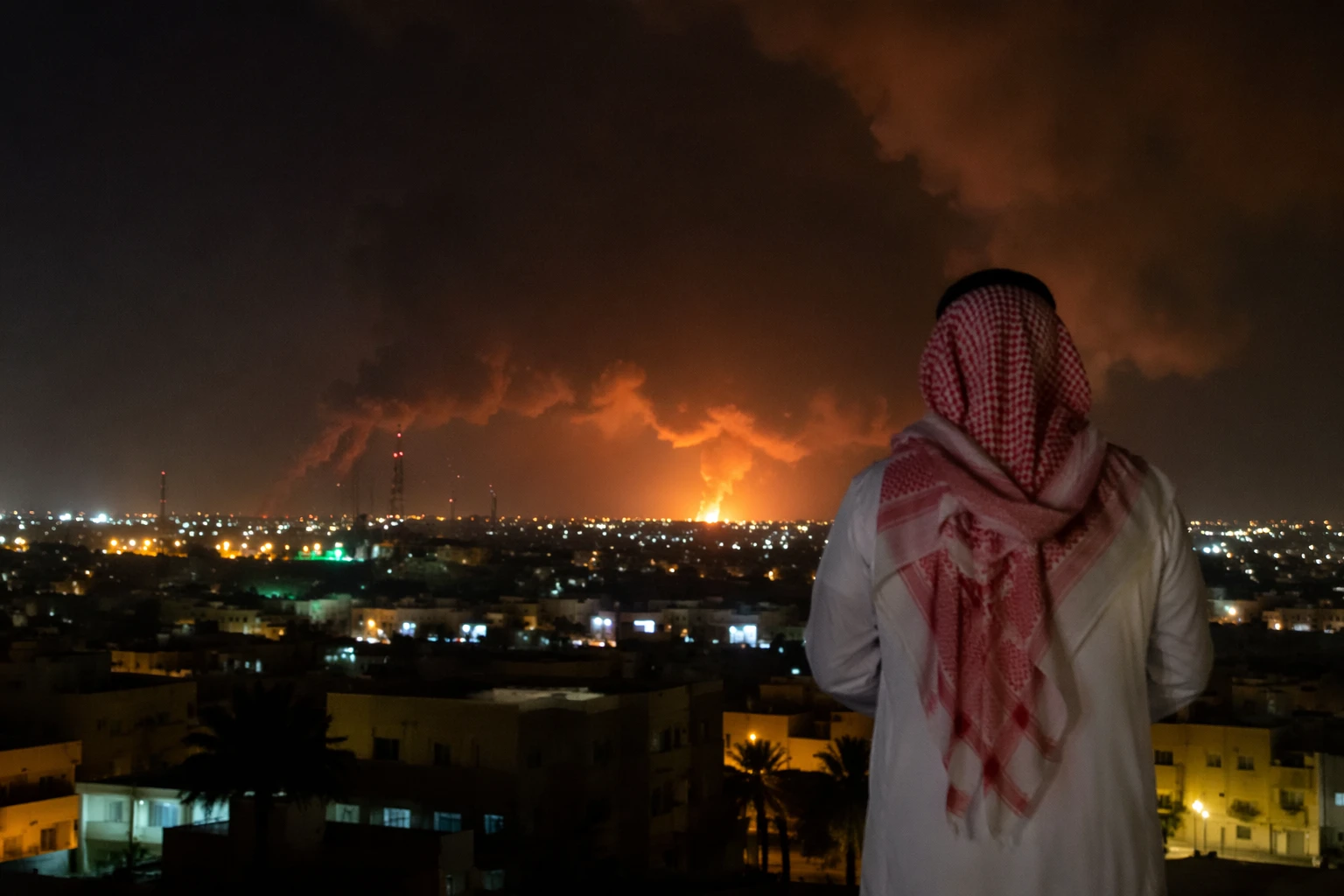
Explosions were reported in Tehran and in southern Iranian areas near the strait, including Bandar Abbas, Qeshm, Minab and Sirik. The immediate trigger for the latest round was the downing of an Army Apache helicopter near the Strait of Hormuz, an episode that raised the risk of a direct clash in one of the world’s most dangerous maritime chokepoints. Both pilots survived and were rescued. U.S. officials said no American warships were struck in the strait, while Bahrain said it intercepted missiles.
The fighting put the Strait of Hormuz back at the center of the crisis. Iran said it would maintain its grip on the passage, a threat with consequences well beyond the battlefield because the waterway carries a large share of global oil and natural gas shipments. The standoff has already disrupted global energy supplies and pushed oil prices higher, increasing pressure on households and governments far from the conflict zone. If Tehran tightens that chokehold further, the fallout would spread quickly through fuel markets and into everyday costs across the region and beyond.
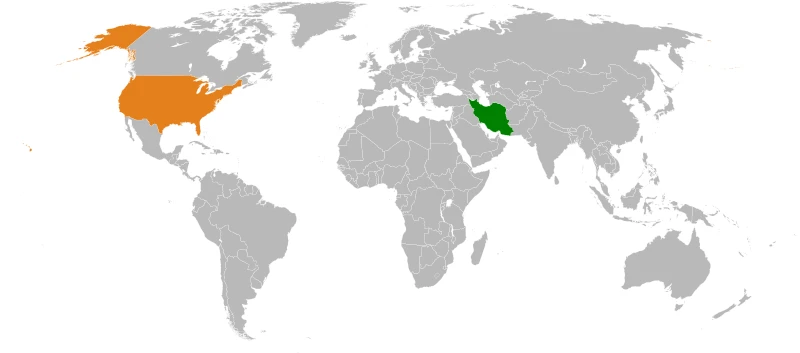
The confrontation marked the third time this week that back-and-forth strikes tested the shaky ceasefire. Israel remained part of the wider equation, with Benjamin Netanyahu signaling goals that would make compromise harder, including the collapse of Iran’s theocratic government, the elimination of its nuclear program and the destruction of Hezbollah in Lebanon. Iran’s United Nations mission said the United States should refrain from threats of force if it wants a deal, but both sides now face the same test: whether they can claim victory at home without pushing the Middle East into a broader war.
Sources
- [1]nytimes.com
- [2]newsday.com
- [3]politico.com
- [4]france24.com