World
U.S. and Iran trade fresh strikes as Strait of Hormuz tensions rise

The U.S. military launched a second round of strikes on Iran, hitting 90 military targets after attacks on three commercial vessels transiting the Strait of Hormuz. The operation, carried out at President Donald Trump’s direction through U.S. Central Command, was framed as an effort to keep the strait open to shipping and to further degrade Iran’s ability to threaten freedom of navigation there.
Iran answered by expanding the fight beyond its own territory. Reuters and ABC News said Iranian drones and missiles hit Kuwait, Bahrain and Qatar, while Iranian forces also struck in and around the Gulf after the renewed U.S. attacks. Kuwait’s foreign ministry condemned what it called repeated Iranian aggressions and said the latest incident violated its sovereignty, a sign that the confrontation was no longer contained to the U.S.-Iran channel alone.
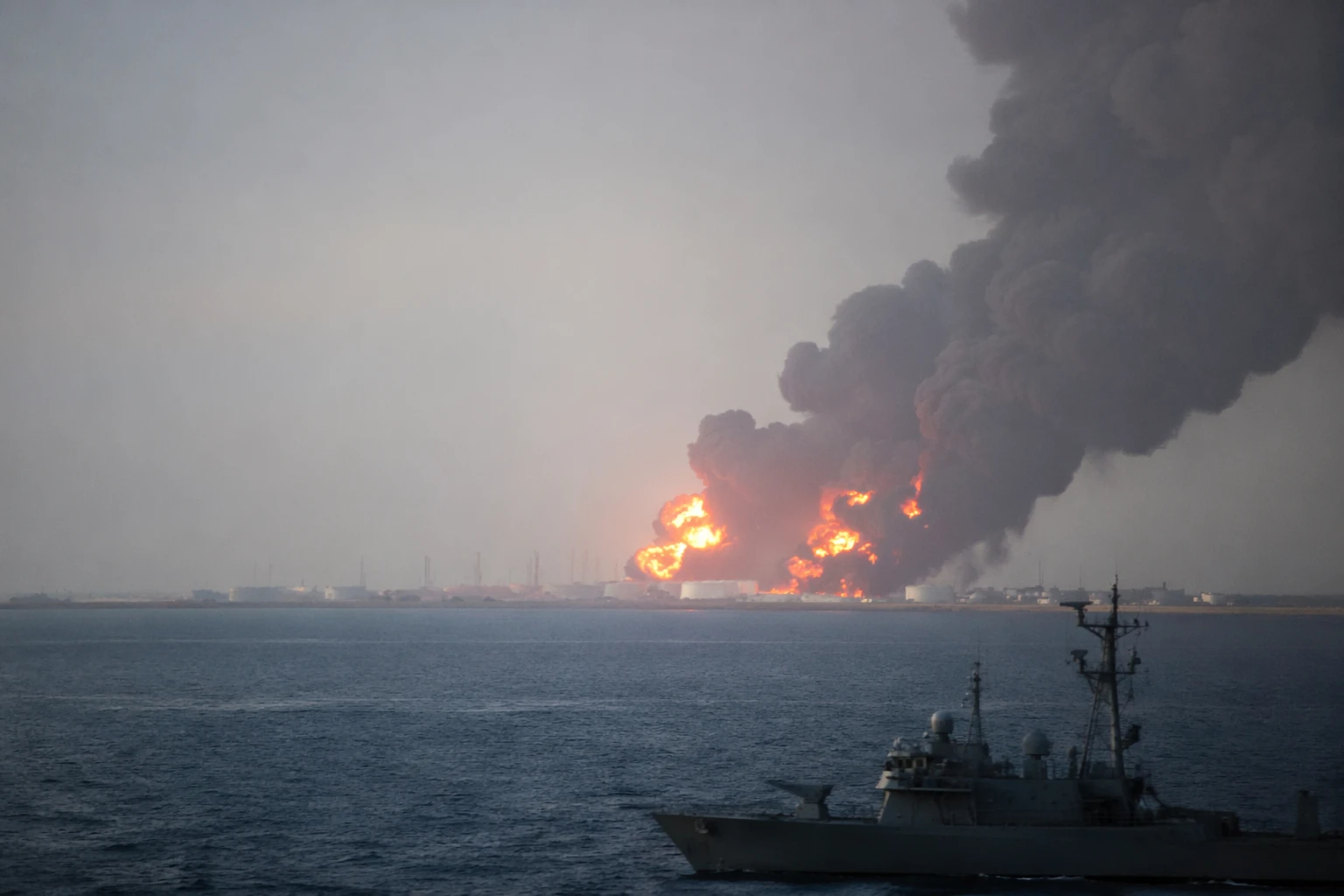
The stakes climbed further because the Strait of Hormuz is one of the world’s most important energy chokepoints. Reuters-linked reporting noted that the waterway once carried about a fifth of the world’s oil and natural gas, which means even a short disruption can ripple through global markets and raise the risk of miscalculation between armed forces operating in close proximity.
Trump’s comment that the interim ceasefire was “over” underscored how fragile the pause in fighting had become. Earlier talks had produced an understanding that attacks would stop and vessels would move freely through the strait, but the fresh strikes on commercial shipping and the Iranian response in Gulf states have now tested that arrangement directly.
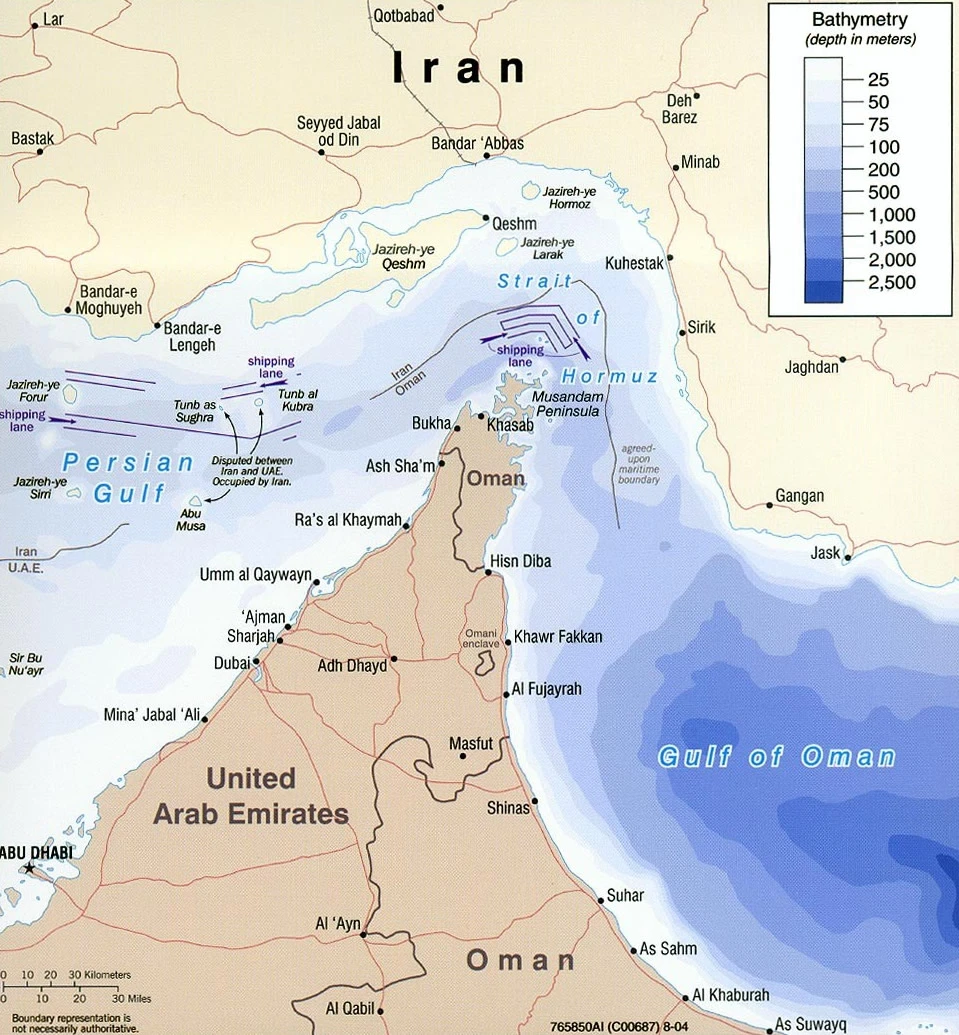
The latest exchange also exposed how much response capacity Iran still has after repeated strikes. By targeting U.S.-linked sites in Bahrain, Kuwait and Qatar, Iran signaled it could still project force across the Gulf even under pressure, while the United States showed it was prepared to widen its campaign rather than absorb attacks on shipping. That combination has raised the risk that any new strike on a tanker, port facility or base could drag more regional actors into the fight and make outside mediation far harder to revive.
Sources
- [1]news.google.com
- [2]usnews.com
- [3]abcnews.com
- [4]upi.com
- [5]cnbc.com
- [6]aljazeera.com