World
US and Iran trade fresh strikes as Strait of Hormuz tensions rise
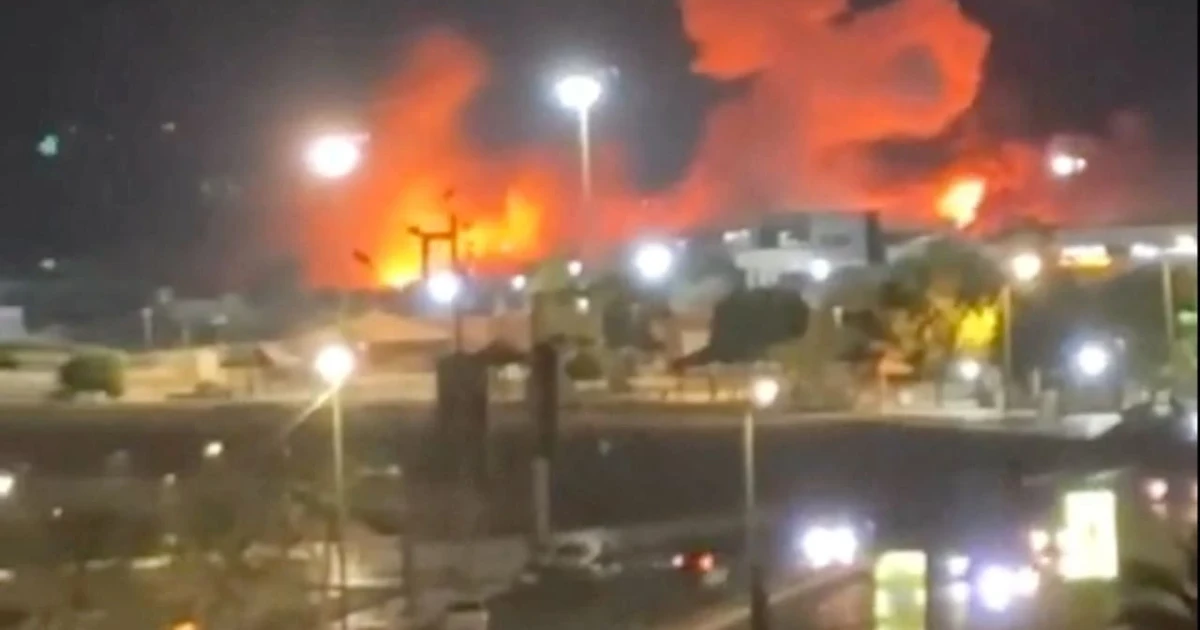
Fresh U.S. strikes on Iranian military infrastructure pushed the crisis around the Strait of Hormuz into a more dangerous phase, after the latest round hit air-defense systems, coastal surveillance assets, missile and drone storage sites, naval capabilities and military logistics sites. U.S. officials said the campaign reached at least 140 targets in Iran, while Iran answered with missile and drone attacks aimed at U.S. assets in Bahrain, Kuwait, Qatar, Oman and Jordan.
The second night of American strikes on July 8 deepened fears that the confrontation could spill beyond a bilateral exchange and into a wider regional fight. An Iranian strike on a vessel in the Strait of Hormuz set a container ship ablaze and forced its crew to abandon ship.
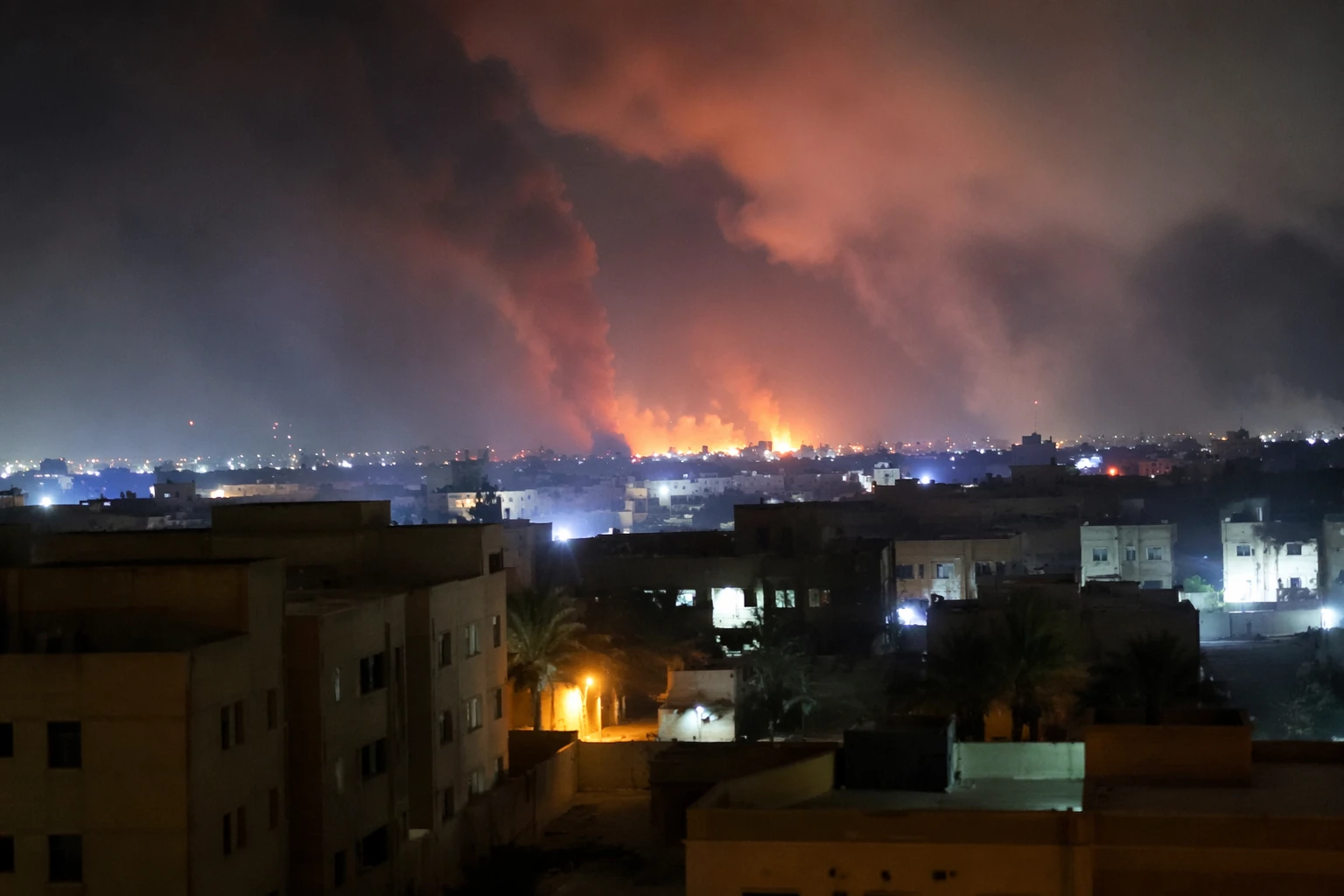
The Strait of Hormuz is one of the world’s most important maritime chokepoints. Iran’s Revolutionary Guard later declared the Strait of Hormuz “closed until further notice.” U.S. officials rejected the claim, and traffic was still flowing. CENTCOM was positioned and prepared to ensure freedom of navigation in the waterway.
The exchange has unfolded over multiple nights, with U.S. strikes followed by Iranian retaliation against Gulf states and American military sites. Bahrain, Kuwait, Qatar, Oman and Jordan sit close to U.S. military infrastructure and major shipping routes. Even limited attacks in those areas can alter military posture, complicate diplomatic efforts and unsettle energy markets that rely on safe passage through the Gulf.

Donald Trump said he considered the ceasefire over and that Iran had agreed to a deal and then violated it.
Sources
- [1]news.google.com
- [2]apnews.com
- [3]nytimes.com
- [4]aljazeera.com
- [5]cbsnews.com
- [6]timesofisrael.com
- [7]time.com