World
US and Iran trade strikes as fragile ceasefire teeters across Middle East
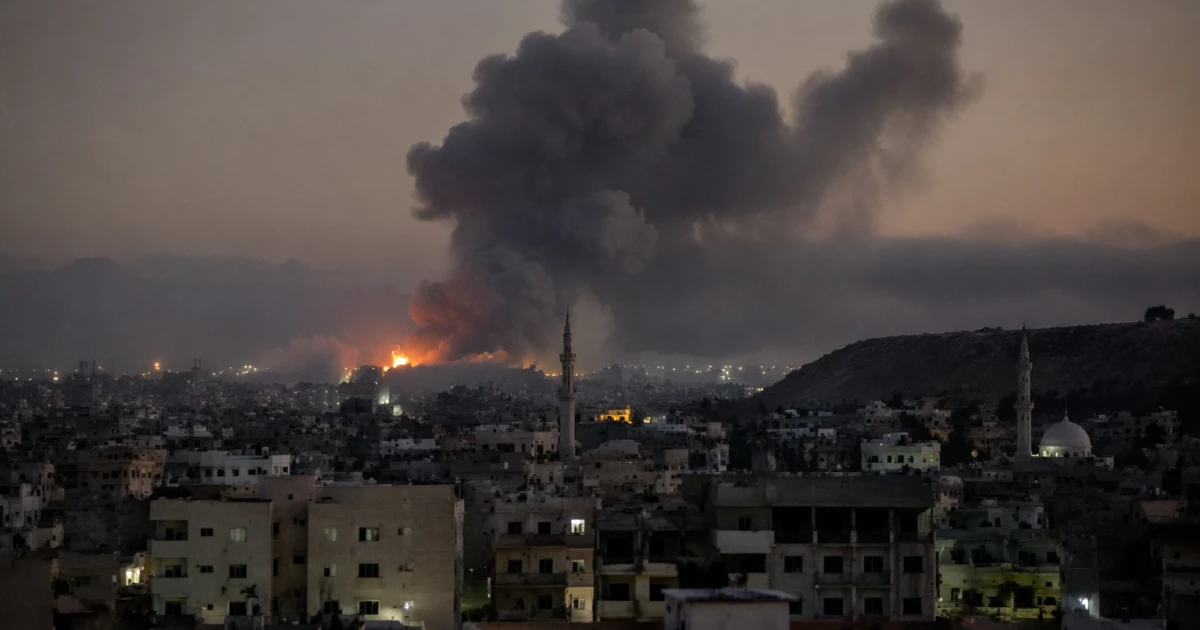
American airstrikes hit Iran early Thursday and drew Iranian fire toward Bahrain, Kuwait, Qatar and Jordan. U.S. Central Command struck about 90 targets across Iran, including an airport runway and missile launchers, while Iran's Health Ministry put the toll from two days of American strikes at at least 14 killed and 78 wounded.
The retaliation spread across the Gulf. In Kuwait, the military shot down three ballistic missiles, a cruise missile and 10 drones, and falling debris wounded one person. Bahrain intercepted incoming fire, with sirens sounding there at least three times, and Jordan intercepted all incoming fire. Explosions hit Bushehr, Chabahar, Konarak, Bandar Abbas, Sirik, Golestan province and Mashhad, and later Thursday an Iranian official accused the United States of striking the area around Iran's sole nuclear power plant.
The exchange came on top of a ceasefire arrangement that created space for negotiations. The interim deal, mediated by Pakistan, provided a 60-day window for talks on a permanent agreement, but indirect discussions in Qatar ended last week with no progress. On July 8, Donald Trump called the memorandum of understanding signed with Iran to end the conflict "over," and warned that Iranian attacks on ships in the Strait of Hormuz would escalate the confrontation if they did not stop.
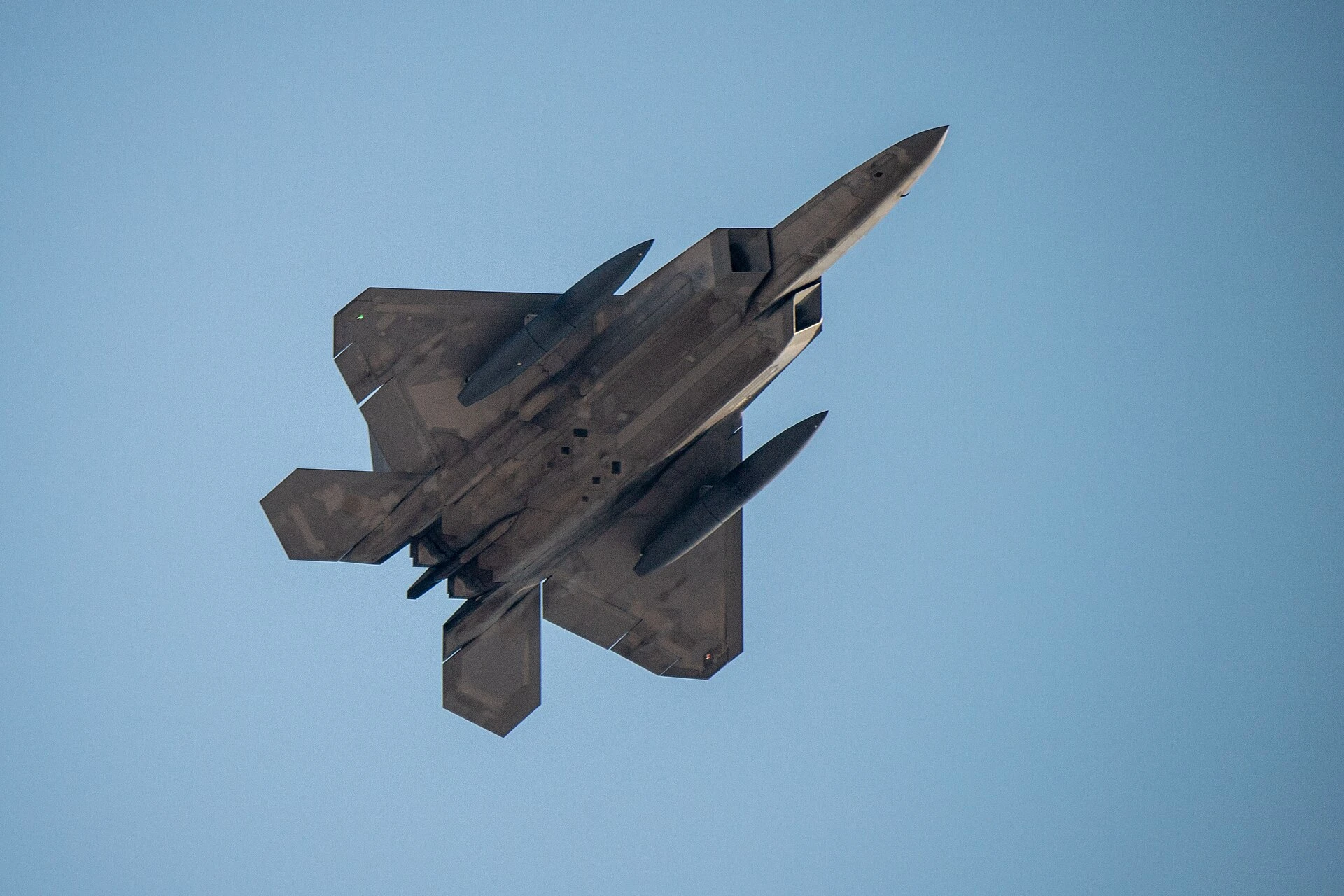
The strikes were intended to further degrade Iran's ability to threaten freedom of navigation in the Strait of Hormuz, the waterway that carries about one-fifth of the world's traded oil and natural gas. Oil prices have already risen and shipping has been disrupted.
Sources
- [1]npr.org
- [2]pbs.org
- [3]usnews.com
- [4]politico.com