World
U.S. and Iran trade strikes as Strait of Hormuz closes to vessels
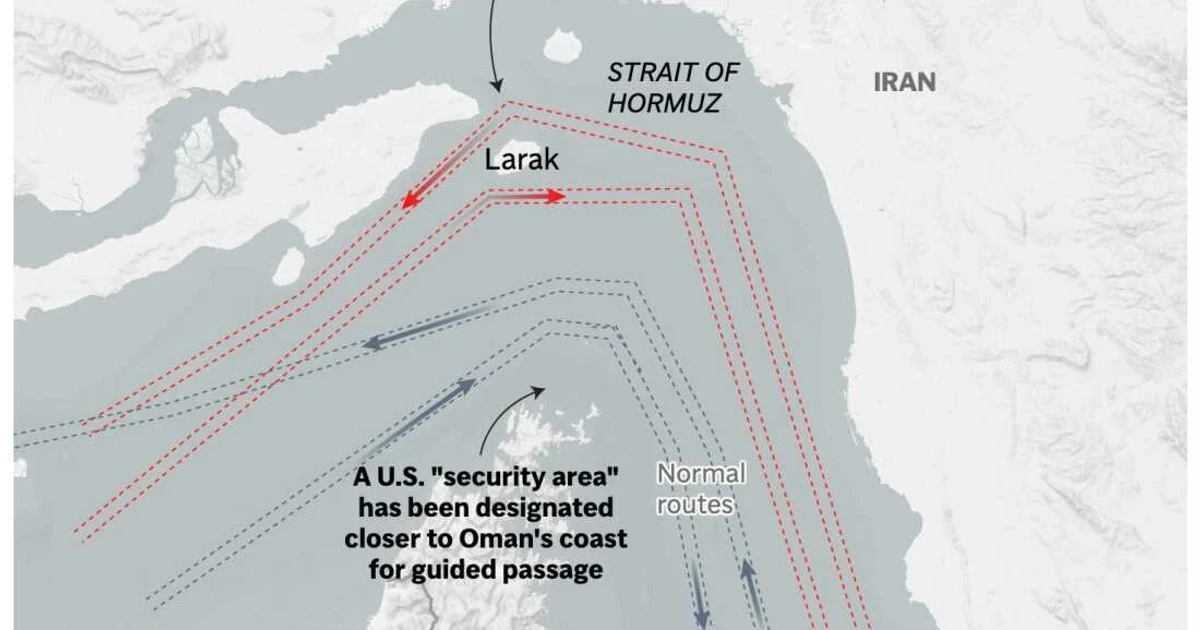
The fight between Washington and Tehran has crossed a threshold that now matters more than the size of any single strike: Iran has ordered the complete closure of the Strait of Hormuz to all vessels, putting one of the world’s most important oil routes at the center of an expanding military confrontation. The exchange of attacks is no longer just about punishment and reply. It is now testing whether the crisis stays inside a fragile ceasefire or spills into a broader regional war.
U.S. Central Command said on June 10 that it had begun “additional self-defense strikes” against multiple targets in Iran at 5:15 p.m. Eastern time, after earlier U.S. strikes on Iranian military sites the same day. Donald Trump warned that Iran would “have to pay the price” and said more attacks could follow. Bloomberg reported that Trump accused Iran of dragging out peace talks, sharpening the sense that diplomacy is being overtaken by force.
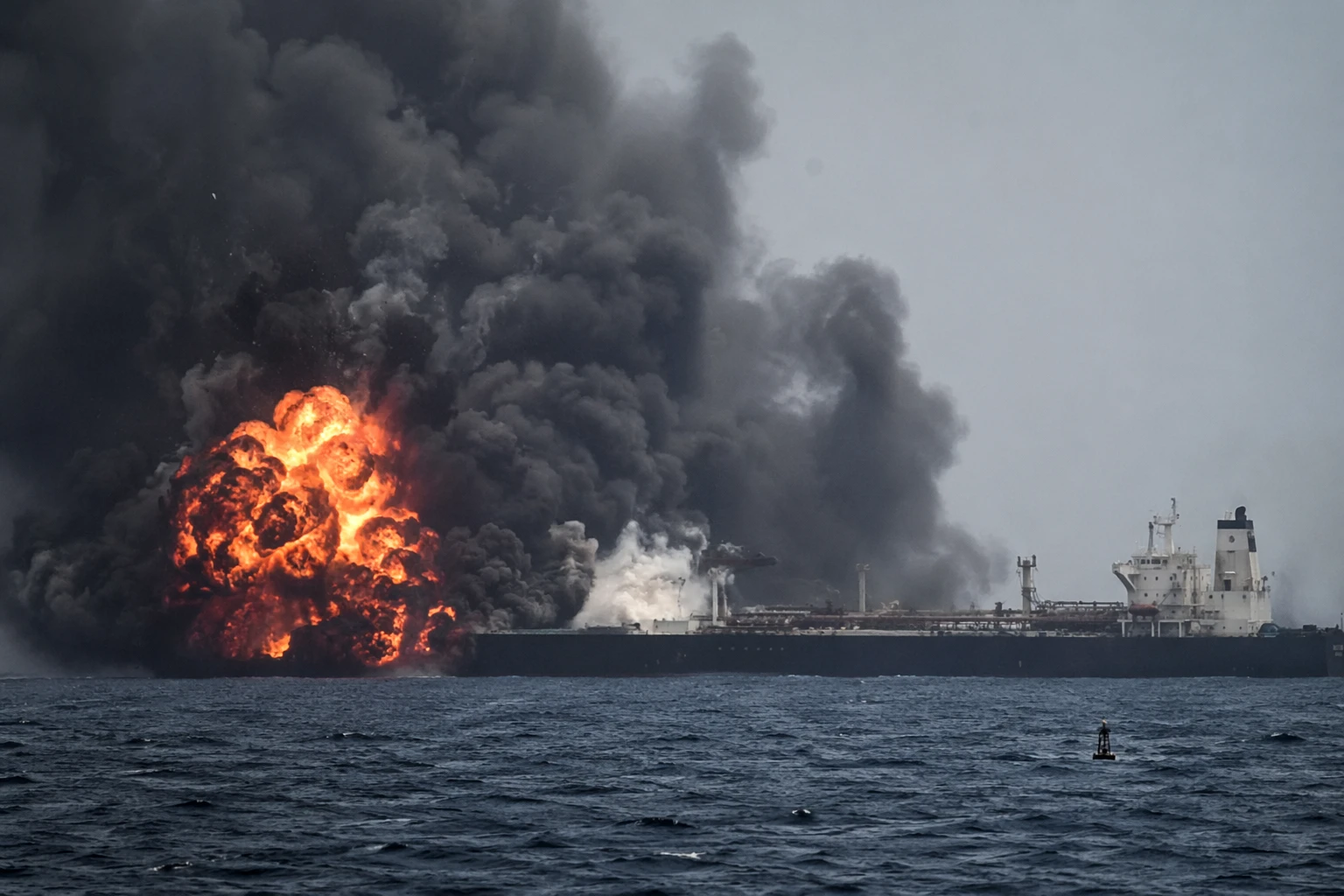
The escalation followed the downing of a U.S. Army AH-64 Apache helicopter near the Strait of Hormuz on June 8. Iran then answered with drones and missiles aimed at U.S. military targets in Bahrain and Jordan, along with other Gulf locations including Kuwait, the United Arab Emirates and Saudi Arabia. Bahrain briefly sounded missile-alert sirens and told residents to seek shelter after Iran threatened to retaliate over the new round of U.S. airstrikes.
The clearest red line now is whether either side moves from targeted military retaliation into attacks that threaten civilian commerce or Gulf energy security. A ceasefire that began on April 8 has been under repeated strain, and Reuters-cited live coverage said there have been no known direct U.S.-Iran talks since April 11. That leaves the two governments with little diplomatic slack at the very moment their military exchanges are becoming harder to contain.
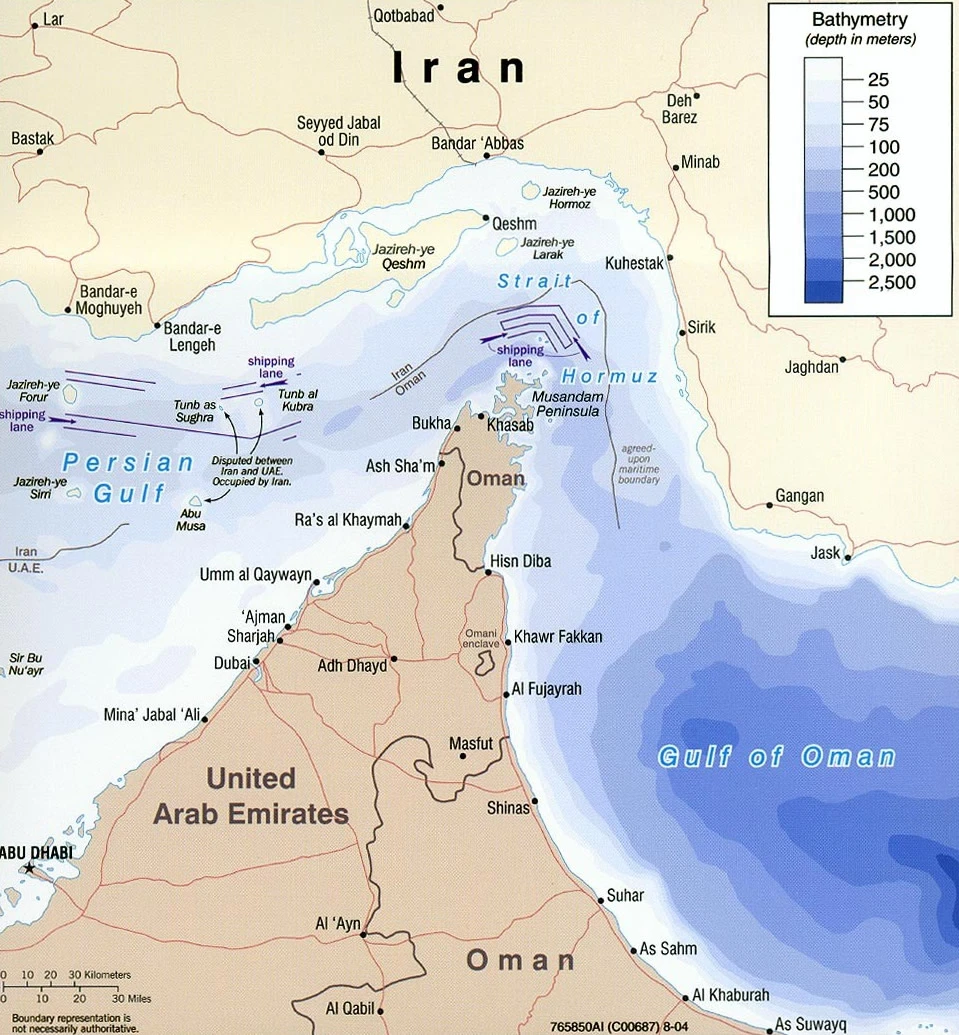
Over the next 24 to 72 hours, the most important indicators will be whether U.S. forces expand beyond the “additional self-defense strikes,” whether Iran widens its missile and drone campaign, and whether commercial traffic can actually move through the Strait of Hormuz. If ships stay away, or if a vessel is hit, the crisis will have moved from a tit-for-tat exchange into a direct threat to global energy flows and to every U.S. and Gulf base in range.
Sources
- [1]nytimes.com
- [2]apnews.com
- [3]bloomberg.com
- [4]washingtonpost.com
- [5]stripes.com
- [6]newsday.com
- [7]aljazeera.com