World
U.S. and Iran trade strikes as Strait of Hormuz crisis deepens
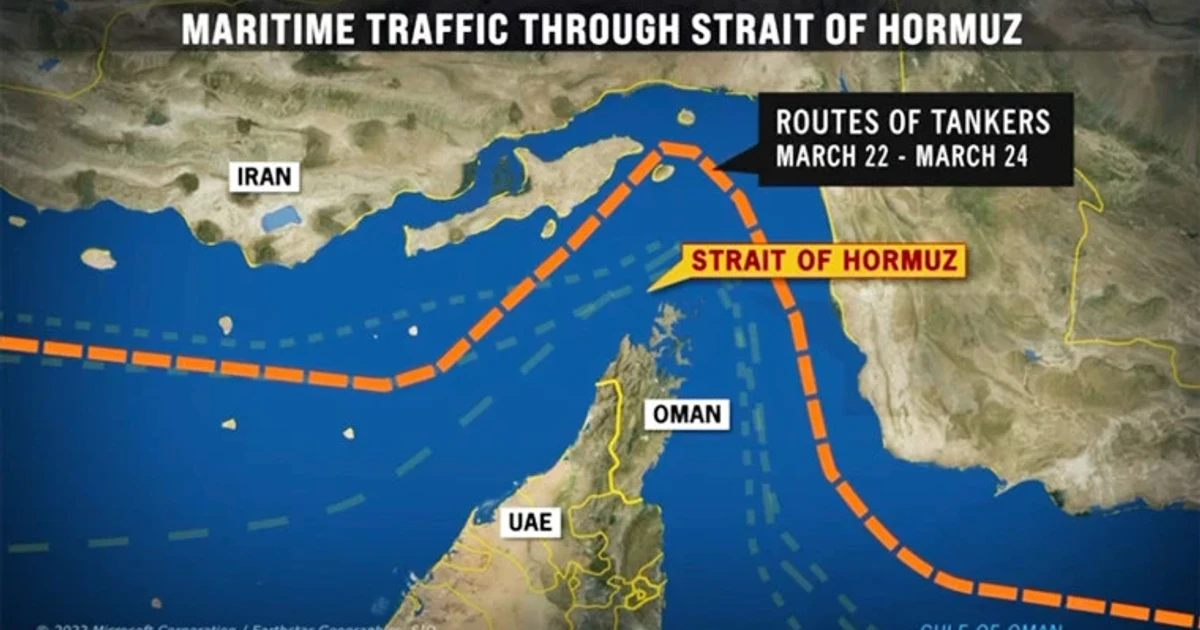
Iran and the United States each claimed control of the Strait of Hormuz after a weekend of attacks that pushed the conflict far beyond the waterway itself. The latest exchange began after an Iranian attack on a container ship in the strait left one crew member missing, and heavy missile and drone strikes continued into Monday.
The fighting has now turned the strait into more than a shipping lane dispute. In practical terms, crisis phase means commercial traffic is moving under threat, military sites in several Gulf states are coming under fire, and energy markets are reacting to every new strike. Oil prices rose as the escalation spread, underscoring how quickly a maritime confrontation can ripple through global supply chains.
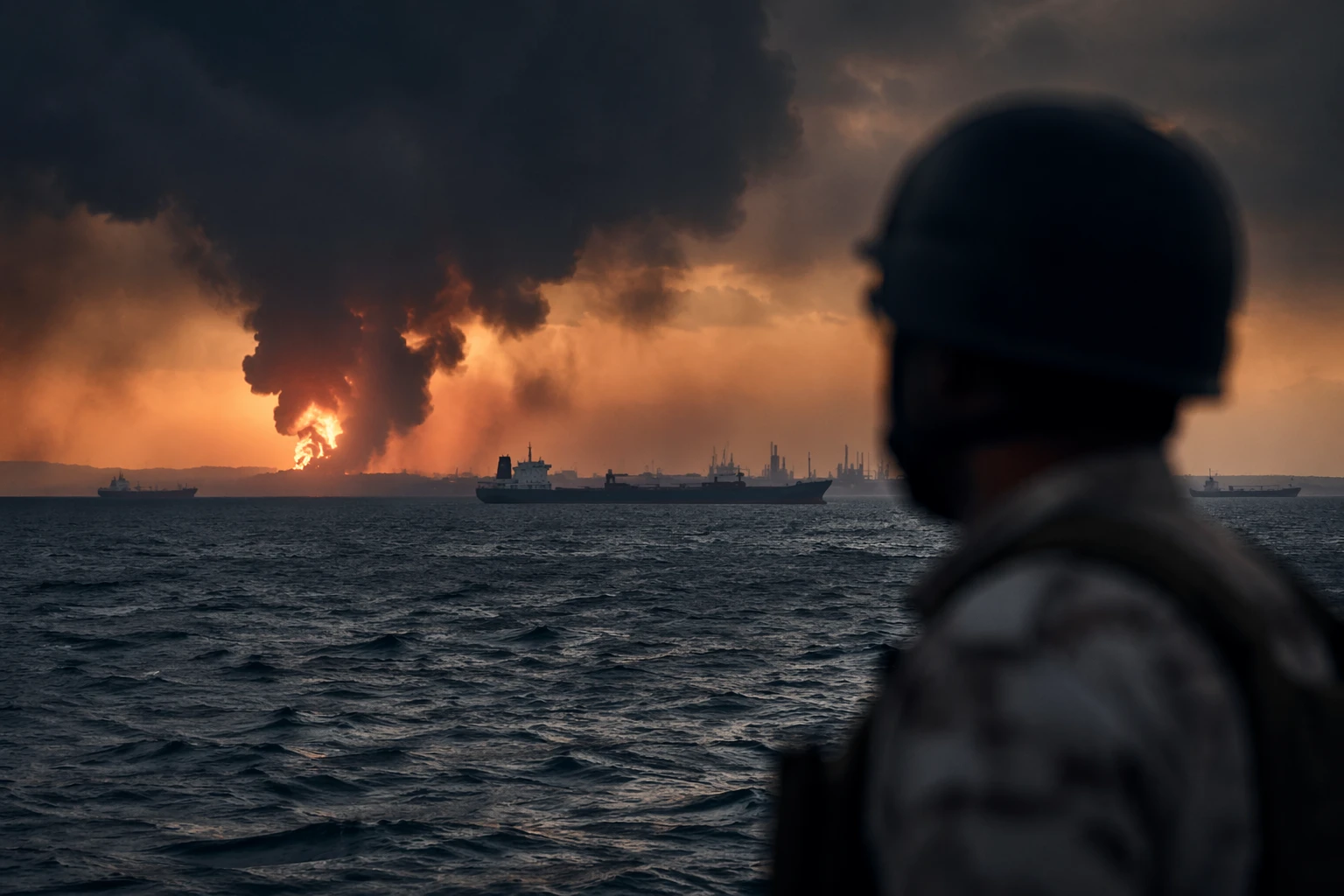
Iran has been asserting control over the Strait of Hormuz since the war began on February 28, 2026, and its leaders have now declared the waterway closed. That declaration threatens negotiations already under strain, and it raises the stakes for any effort to restore even a limited ceasefire. The wider exchange also widened across Bahrain, Kuwait and Qatar, where Iranian and American forces traded blows as the contest moved deeper into the Persian Gulf.
The United States tied its earlier strikes to Iranian attacks on commercial shipping in the strait, including a tanker campaign that Washington treated as a direct threat to international trade. The American response broadened after further maritime attacks, turning the dispute from a punitive raid into a rolling air campaign. A separate Iranian strike on a container ship left one crew member missing, showing how quickly the crisis had moved from pressure on shipping to an open hazard for crews.
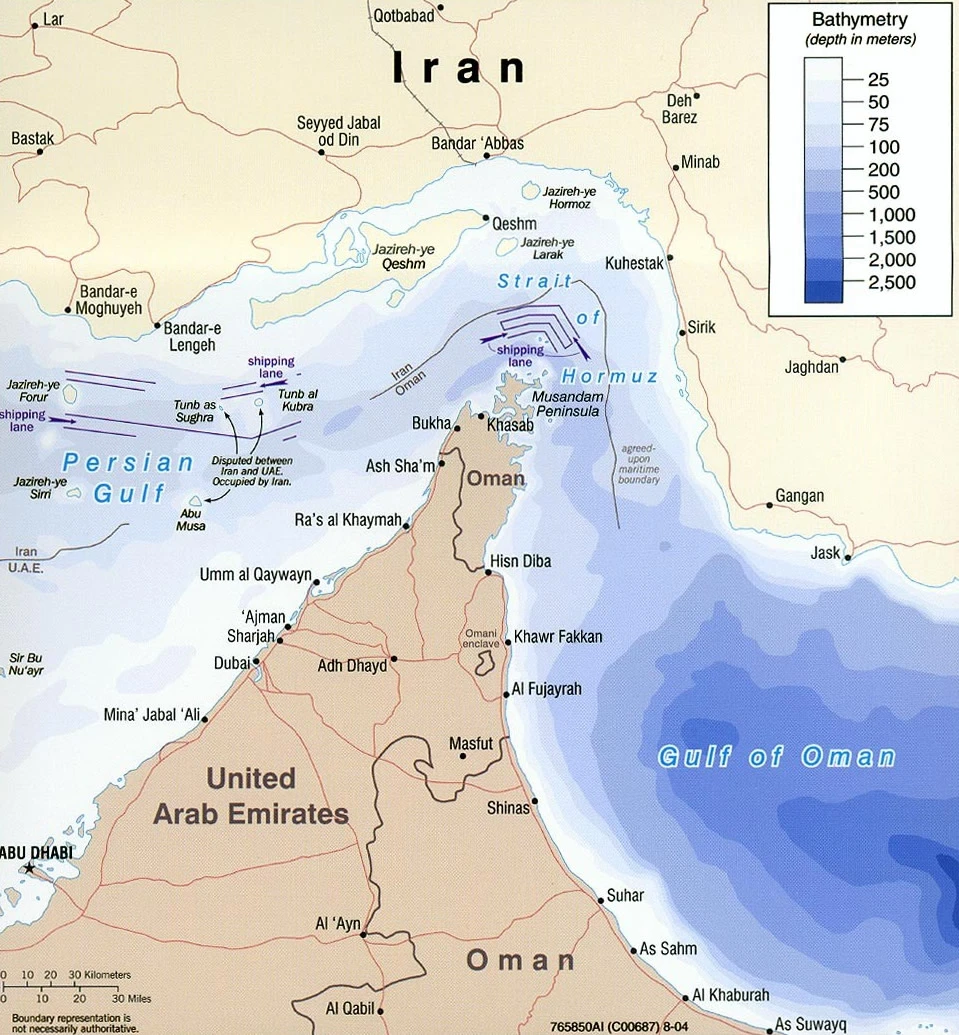
The dispute carries an added political edge because Donald Trump signed an agreement that Iran later characterized as giving it control of the waterway. That history now hangs over Washington’s next move. If the United States wants to avoid a deeper regional war, it must choose between defending shipping lanes, continuing strikes on Iranian military assets, or risking a broader clash that could keep the Strait of Hormuz unstable for weeks.
Sources
- [1]news.google.com
- [2]apnews.com
- [3]usnews.com
- [4]msn.com
- [5]washingtonpost.com
- [6]latimes.com
- [7]reuters.com
- [8]nytimes.com