World
US and Iran trade strikes as Trump says peace still close
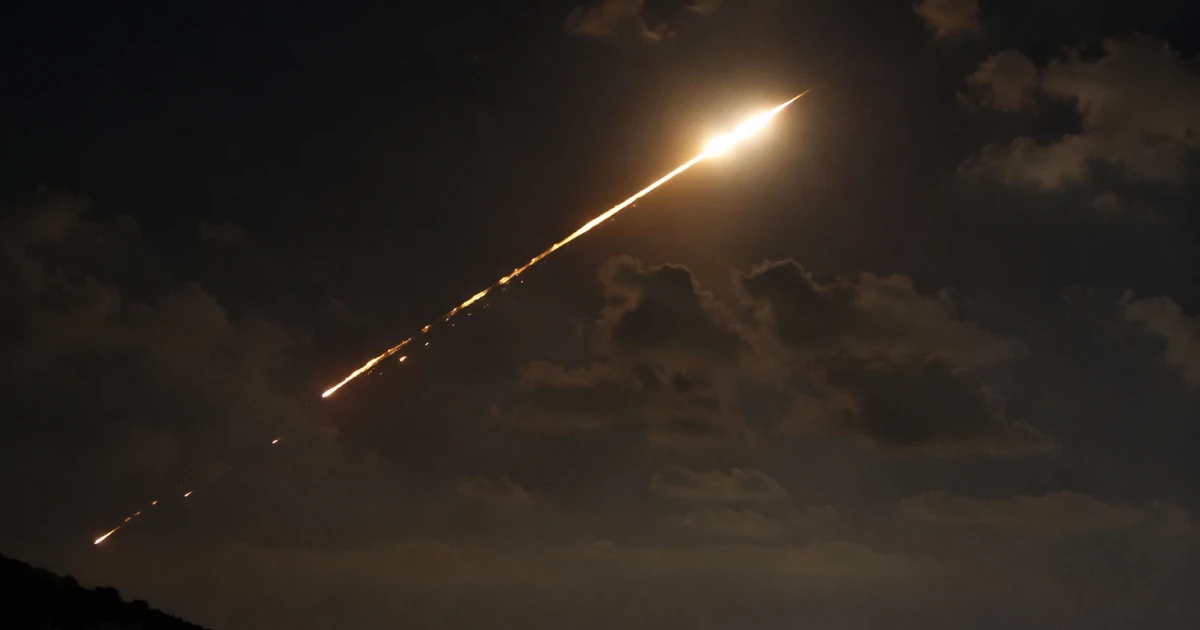
The latest exchange between the United States and Iran crossed a dangerous threshold because it moved beyond isolated retaliation and into direct, repeated strikes around the Persian Gulf. Pete Hegseth said the U.S. would bomb key facilities in Iran “tonight” and called the strikes “strong and clear,” while Donald Trump said Iran would “pay the price” and promised to hit the country “very hard” again.
The overnight violence jolted a two-month-old truce and put U.S. troops, regional bases and the Strait of Hormuz back at the center of the confrontation. A senior White House official said Trump still believed a peace deal with Tehran was “still close,” even as the military campaign continued on a separate track. That split-screen diplomacy and force has become the defining feature of the crisis: talks are still alive, but each round of fire makes a broader war harder to avoid.
The immediate trigger was Iran’s alleged downing of a U.S. Army Apache helicopter near the Strait of Hormuz. U.S. Central Command said fighter jets carried out “self-defense strikes” on Iranian air defense, ground control stations and surveillance radar sites near the strait, using precision munitions in a roughly four-hour operation. Iran answered by firing missiles and drones at U.S. military bases in neighboring countries around the Persian Gulf, including claims of attacks on facilities in Jordan, Kuwait and Bahrain.
Jordan said it intercepted five Iranian missiles aimed at the al-Azraq district, and Bahrain issued air-raid alerts as the region braced for possible follow-on attacks. Iranian officials warned that if aggression was repeated, “even more severe and widespread attacks” would follow. The Islamic Revolutionary Guard Corps and Iran’s Khatam al-Anbiya Central Headquarters cast the strikes as retaliation for American “aggression,” underscoring how quickly the conflict has widened from a single incident near the strait into a regional military exchange.
The economic consequences are already spilling beyond the battlefield. Sky News reported that U.S. inflation hit a three-year high as the war pushed costs up, a warning sign for markets that have already been rattled by the threat to shipping routes and energy flows through the Persian Gulf. With the Strait of Hormuz again exposed to military escalation, pressure is likely to build on oil prices, transport costs and the wider regional balance between deterrence and open-ended war.
Sources
- [1]nytimes.com
- [2]news.sky.com
- [3]bloomberg.com
- [4]upi.com
- [5]politico.com
- [6]cnbc.com