World
U.S. and Israel prepare more aggressive campaign against Iran
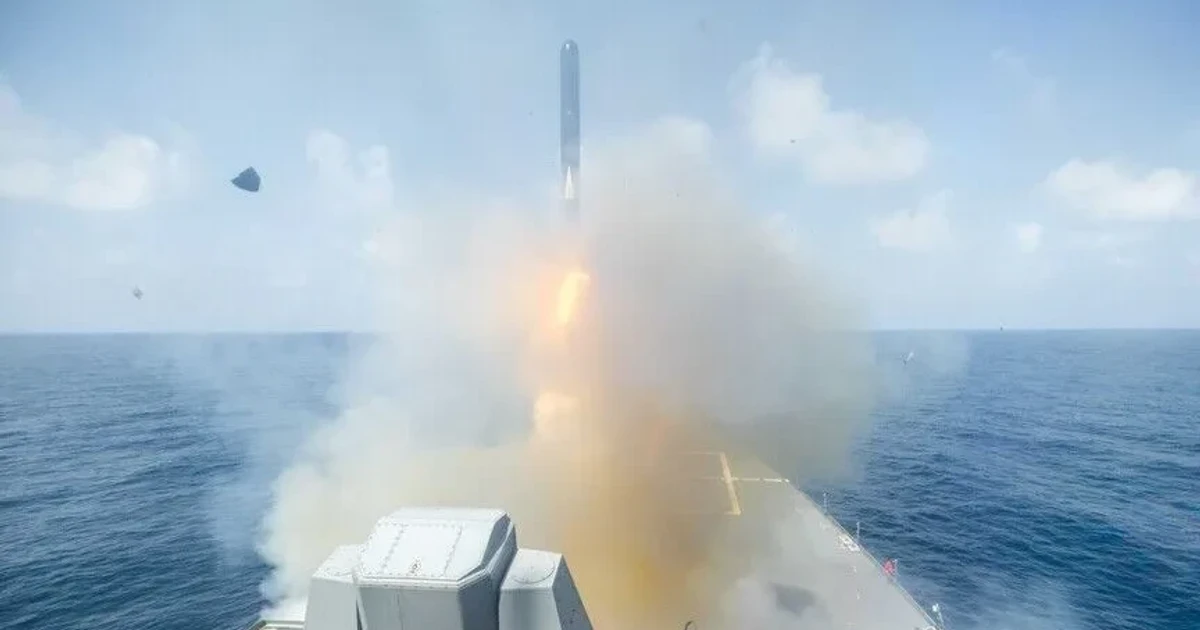
CBS News sources said the United States and Israel were preparing for what could be the most aggressive expansion of the campaign against Iran since the war began, a shift that would push the conflict beyond nuclear facilities and raise the stakes for U.S. forces and shipping routes in the Gulf. Earlier reporting said strikes on Iran’s energy infrastructure were under consideration and could come as soon as that weekend.
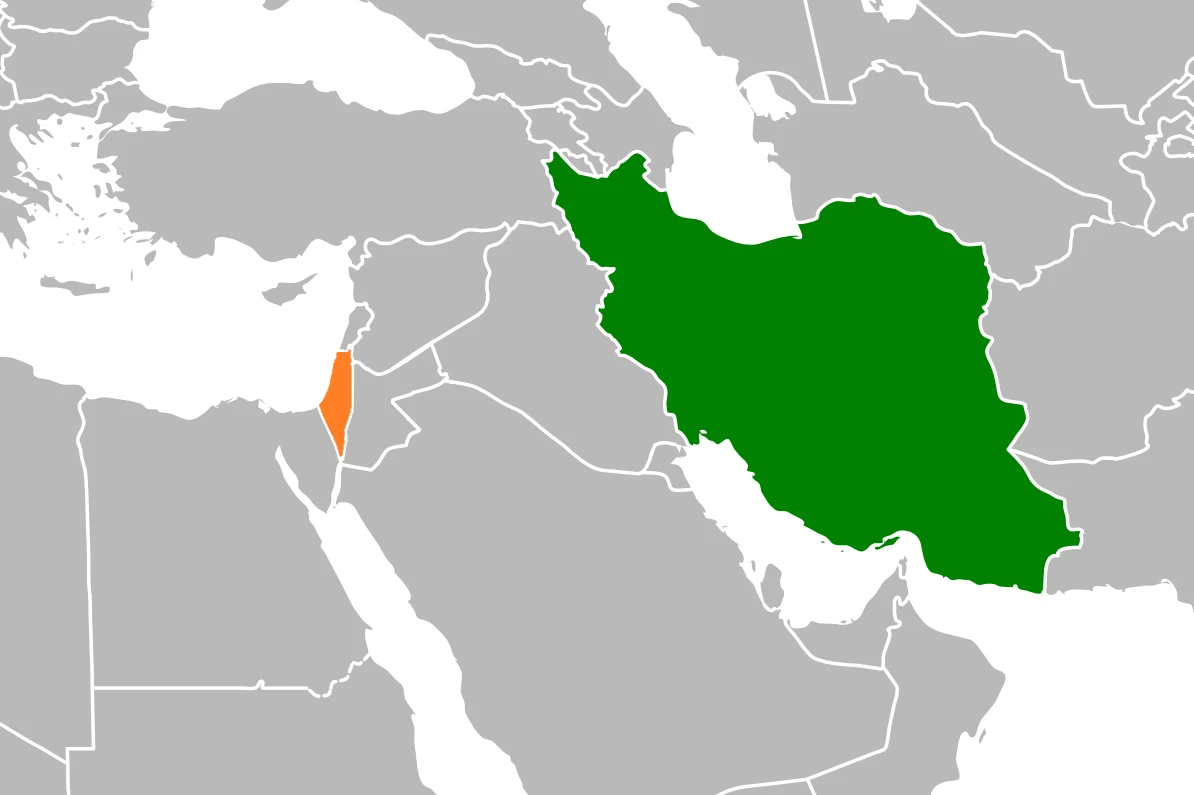
The warning comes after the 12-day war that erupted on June 13, 2025, when Israel launched large-scale strikes on Iranian nuclear and military facilities. Iran answered with waves of ballistic missiles and drones fired at Israel, and the United States later joined the fighting with military support and strikes of its own. A U.S.-brokered ceasefire ended the war on June 24, but the core disputes, especially Iran’s nuclear program and Israel’s security concerns, were left unresolved.
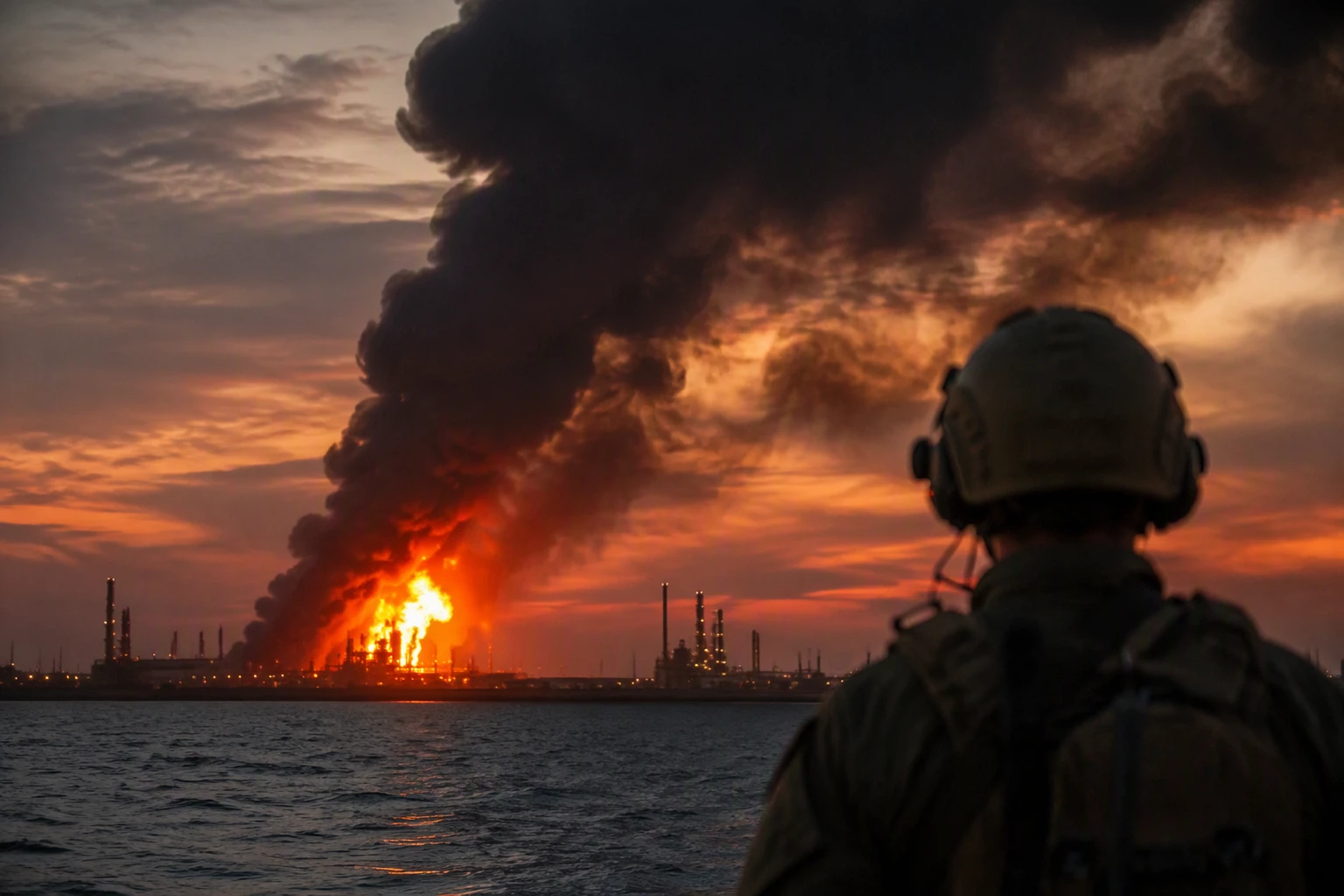
That unresolved balance is what makes a more aggressive phase dangerous. If the next round includes attacks on Iran’s energy infrastructure, the conflict would move from a military exchange centered on nuclear sites toward a campaign that could affect oil markets, regional bases and shipping lanes tied to the Strait of Hormuz. The June war already showed how quickly the threshold can blur between backing Israel and becoming a direct participant in a wider war.
Iran’s foreign minister, Abbas Araghchi, said on July 1 that he was doubtful talks with the United States would resume quickly, but added that the “doors of diplomacy will never slam shut.” His remark underscored how little room remained for de-escalation even after the ceasefire, especially with the United States weighing further military action alongside Israel.
Analysts have also framed the June conflict as a turning point. ACLED called it a watershed moment in a July 4 analysis, and its July Middle East overview highlighted continued regional volatility after the ceasefire. In Tehran, CBS News had earlier reported that Seyed Rahim Bathaei, the network’s producer in Iran for 16 years, had long served as its eyes and ears inside the country as ordinary Iranians described their hopes and fears during the fighting.
Sources
- [1]cbsnews.com
- [2]acleddata.com
- [3]understandingwar.org