World
US and Israeli Strikes on Iran Spark Legal Debate
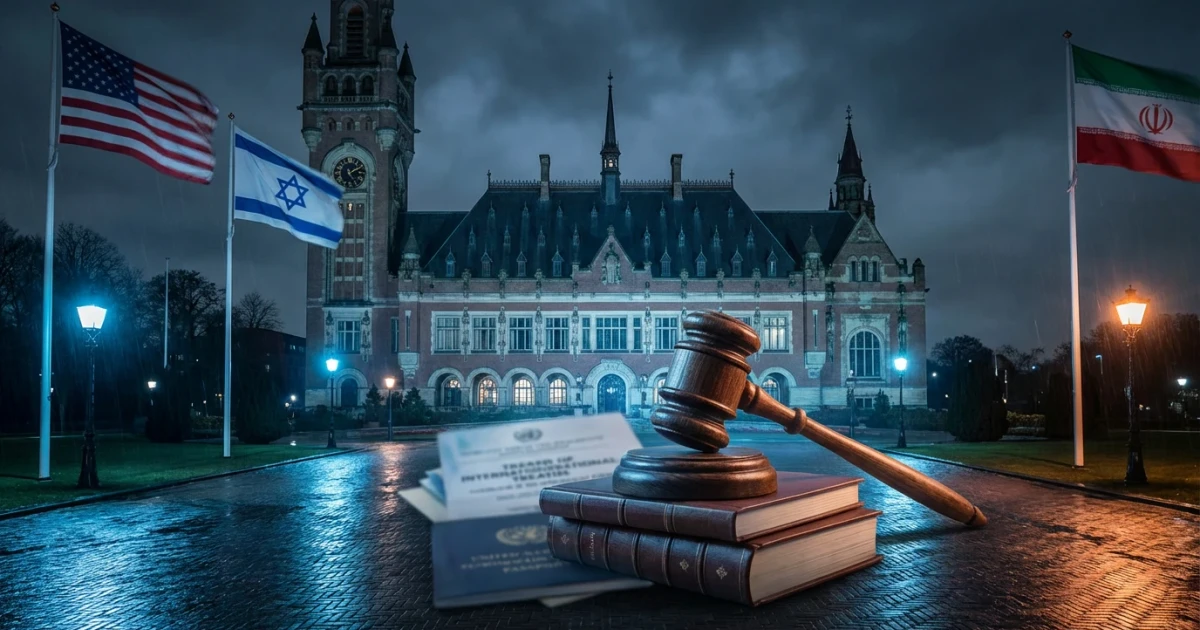
Recent military actions by the United States and Israel against Iran have intensified global debate about the boundaries and enforcement of international law, with world leaders and legal experts voicing serious concerns over the precedent these operations set.
Escalating Tensions and Legal Questions
In the wake of US and Israeli strikes on Iranian targets, the international community is grappling with the legal ramifications of such actions. Both The Washington Post and Reuters report that these attacks have heightened scrutiny on how powerful states interpret, and sometimes bypass, established legal frameworks governing the use of force between nations.
The United Nations Charter explicitly restricts the use of force except in cases of self-defense or with Security Council authorization. The recent strikes, however, have reignited debates about what constitutes self-defense and whether preemptive or retaliatory military actions fall within these bounds. According to The Washington Post, legal experts note that such attacks risk undermining the credibility of international rules and embolden other states to act unilaterally.
Turkey's Condemnation and Calls for Accountability
Reaction from the international community has been swift. Turkish President Recep Tayyip Erdoğan made headlines by describing the US and Israeli attacks as an unmistakable breach of international law. Reuters quoted Erdoğan as stating that these operations are a "clear violation" and called for greater accountability through international mechanisms.
Turkey's response reflects a broader anxiety among regional and global actors about the potential for escalation and the erosion of norms that have helped prevent major interstate conflict since the mid-20th century.
Humanitarian and Regional Implications
Beyond the legal debates, these attacks risk escalating tensions in a region already marked by instability. The Washington Post highlights concerns that repeated strikes could worsen humanitarian conditions within Iran and trigger retaliatory actions, further destabilizing the Middle East. According to the Human Rights Watch World Report, Iran’s civilian population has faced significant hardship amid ongoing sanctions and security incidents, raising fears that renewed military operations could deepen the crisis.
For those seeking detailed timelines of military actions, Reuters provides a comprehensive chronology of attacks on Iran, underscoring the cyclical nature of conflict and the challenges of de-escalation.
Legal Interpretations and Precedents
The current situation spotlights ongoing disputes about the interpretation of international humanitarian law and the rules governing state conduct. The Washington Post quotes international law scholars warning that if powerful states act without consequence, the global legal order risks further weakening.
- The International Court of Justice has periodically ruled on similar cases, but enforcement remains a persistent challenge.
- Legal experts referenced by both outlets emphasize that repeated violations risk setting dangerous precedents, encouraging other nations to pursue unilateral military options.
Calls for Strengthening International Norms
As the crisis unfolds, voices from across the diplomatic and legal community are urging renewed commitment to multilateral norms and dispute resolution mechanisms. The consensus among analysts is clear: without robust enforcement of international law, the global system faces an uncertain future.
Looking ahead, the ongoing fallout from the US and Israeli strikes on Iran will serve as a critical test for the resilience of the international legal order and the willingness of states to adhere to agreed-upon rules. The international community’s response—whether through diplomatic channels, legal action, or policy shifts—may well shape future conduct on the world stage.