Politics
US and Latin American governments back Colombia election integrity
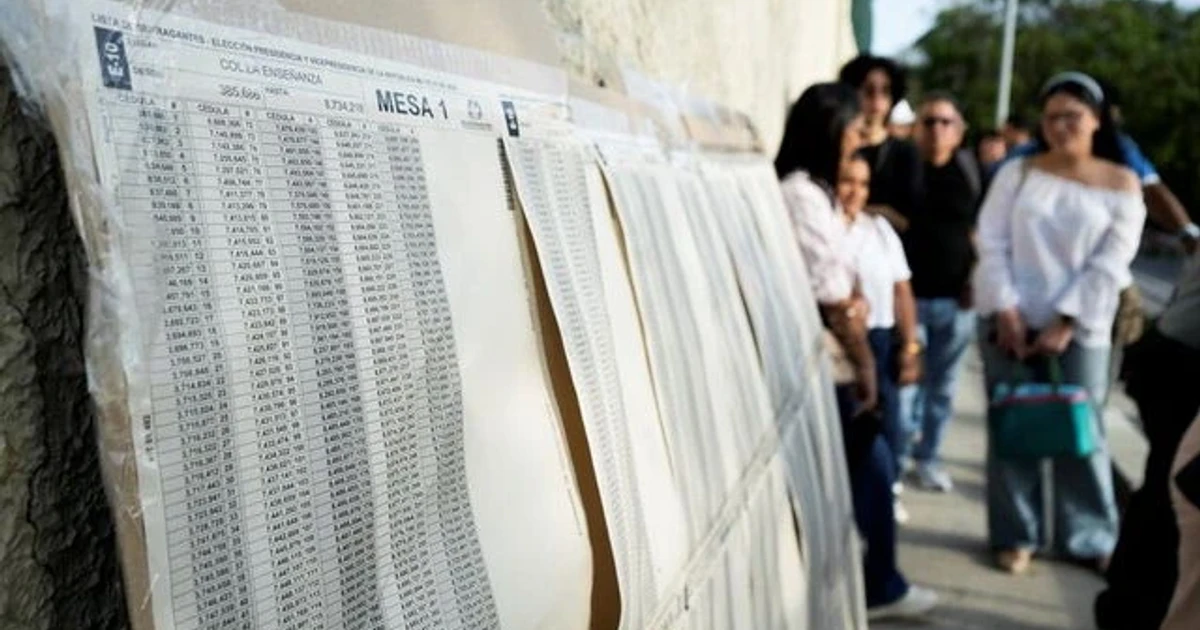
The United States joined 13 Latin American governments on July 10 in warning that recent statements and actions were casting doubt on the integrity of Colombia’s electoral process, a public show of support aimed at preserving confidence in the vote before the transition is complete.
The joint statement, issued under the Shield of the Americas framework, said the governments were concerned about claims made without duly substantiated grounds and about uncertainty around Colombia’s institutional transition. It rejected any effort to delegitimize the mandate of citizens, discredit competent electoral authorities or obstruct the empalme process, Colombia’s formal government handover. The signatories were Argentina, Bolivia, Chile, Costa Rica, the Dominican Republic, Ecuador, El Salvador, Guyana, Honduras, Panama, Paraguay, Trinidad and Tobago and the United States.
The broad coalition matters because it turns the warning into a regional diplomatic message, not a bilateral dispute between Washington and Bogotá. By urging Colombian authorities to respect results officially proclaimed by competent electoral authorities, the governments signaled that the issue is not only who won the vote, but whether the country’s institutions can carry the transition forward without losing public trust. For a key U.S. partner, that kind of early skepticism can harden into a political weapon long before certification is finished.
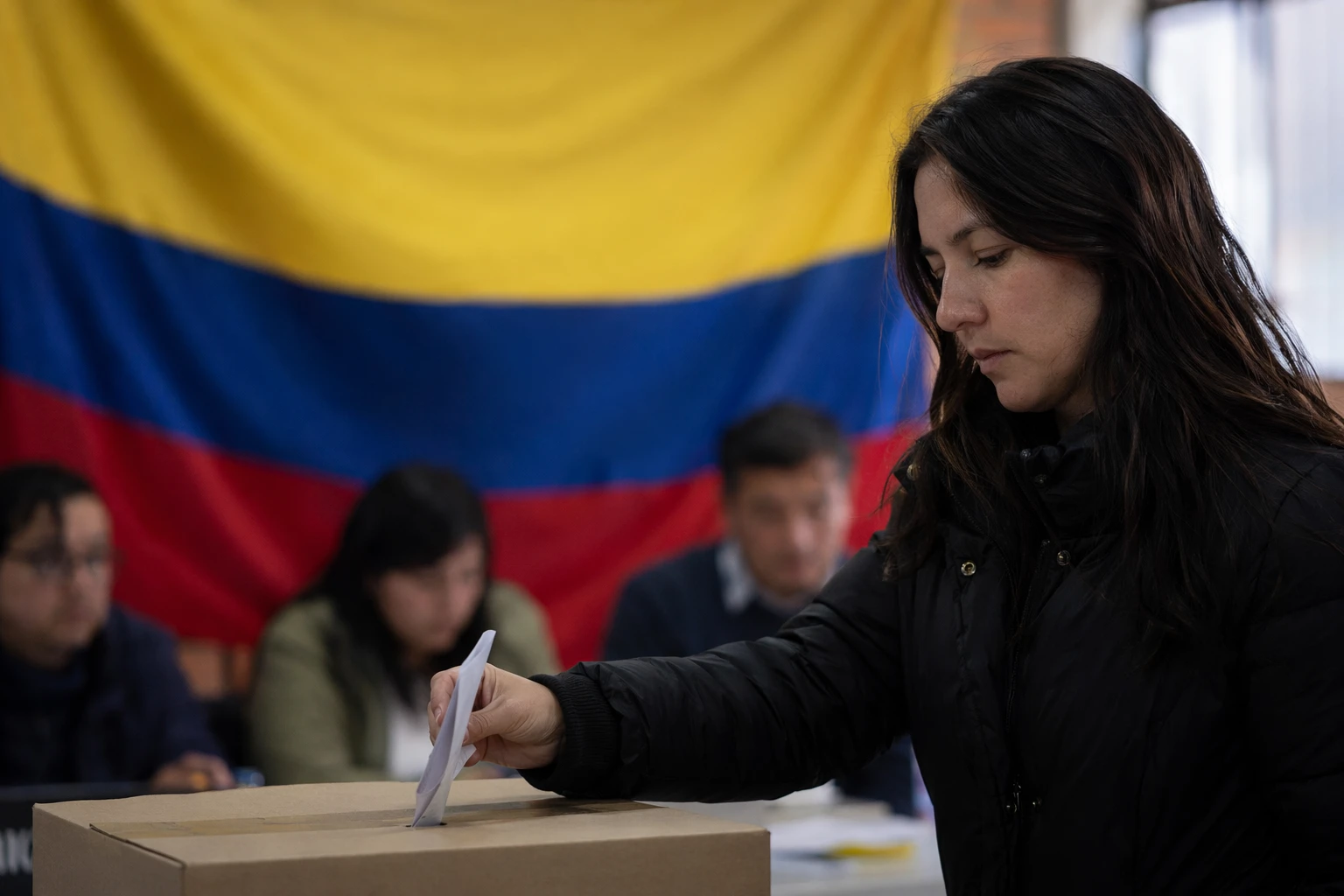
The warning came against the backdrop of a sharply polarized 2026 presidential race. In a June 1 assessment, the International Republican Institute said Colombia’s election unfolded in a more challenging environment marked by heightened insecurity, political polarization and sustained attacks on the credibility of electoral institutions. Eleven presidential candidates competed in the first round, with Abelardo de la Espriella of the Defenders of the Homeland, Iván Cepeda of the Historic Pact and Paloma Valencia of the Democratic Center among the main contenders.
The same assessment said illegal armed groups restricted campaigning and voter access in parts of the country, especially rural and conflict-affected areas, while violence in Cauca and Valle del Cauca disrupted transportation and local governance in the final weeks of the campaign. It also said audits and transparency measures found no evidence of systemic manipulation, a reminder that disputes over legitimacy can grow even when formal checks do not show a rigged count.
Colombia’s Registraduría Nacional del Estado Civil has drawn a sharp line between preliminary and binding results, saying its pre-count bulletins are informational only and do not definitively determine an election. That distinction helps explain why allegations around early tallies, election software or the conduct of the process can escalate quickly into a broader fight over democratic stability and the country’s institutional order.
Sources
- [1]usnews.com
- [2]state.gov
- [3]iri.org
- [4]resultados.registraduria.gov.co