World
U.S. Announces Withdrawal of 5,000 Troops from Germany
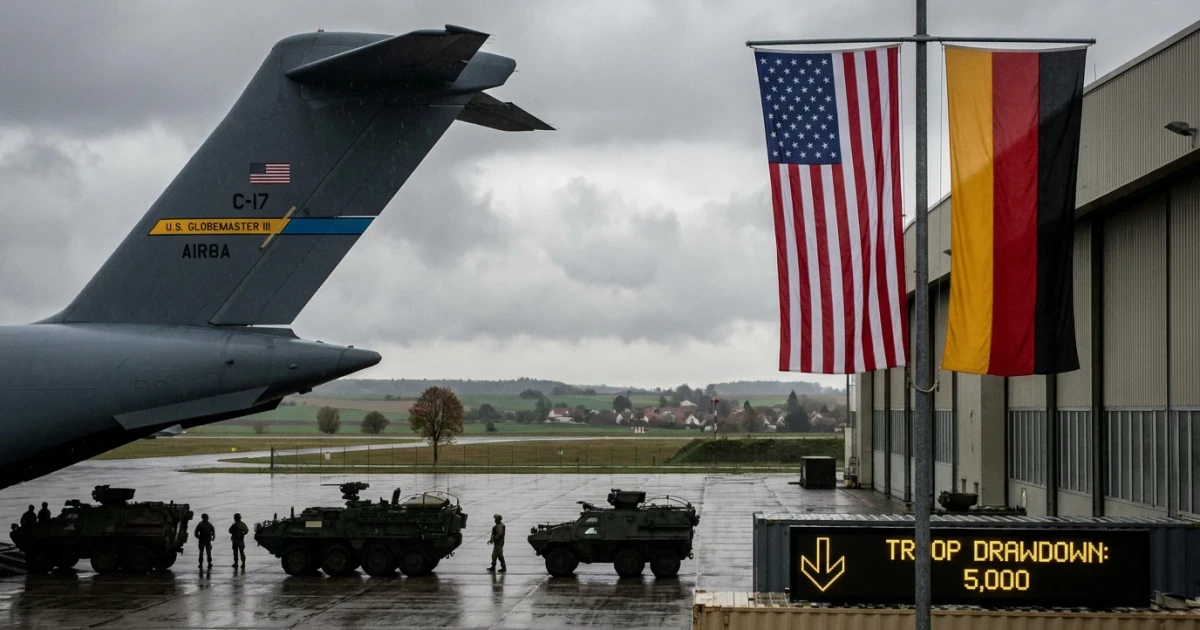
The U.S. government has announced plans to withdraw 5,000 troops from Germany, marking a significant reduction in the longstanding American military presence in the country. The decision, disclosed by the Pentagon, comes amid ongoing debates about the future of U.S. commitments in Europe and the evolving nature of transatlantic security cooperation.
Background of U.S. Military Presence in Germany
Since the end of World War II, Germany has hosted one of the largest contingents of U.S. military personnel in Europe. According to Statista data, the number of U.S. troops stationed in Germany has fluctuated over the decades, peaking during the Cold War and gradually declining since German reunification. The current withdrawal plan affects a force that, as of recent official figures, numbered approximately 35,000 personnel across several bases and installations.
Details of the Troop Reduction
The Pentagon's announcement confirms that 5,000 troops will be redeployed from Germany. While the precise timeline and destination for these forces have not been made public, the move is expected to impact several key U.S. Army and Air Force bases throughout the country. The Government Accountability Office has previously reported that the U.S. maintains a network of critical infrastructure in Germany, supporting not only American forces but also NATO operations.
Strategic and Political Implications
- NATO Relations: Germany is a central member of NATO, and the U.S. military presence there is a cornerstone of the alliance’s collective defense posture. NATO's official records show that U.S. troops in Germany support training, logistics, and rapid deployment across Europe.
- Cost and Efficiency: Past analyses by the Congressional Research Service have cited both the financial and operational benefits of maintaining bases in Germany, which offer strategic reach into Europe and the Middle East.
- Diplomatic Reactions: The reduction is likely to spark debate within NATO and among European partners, some of whom view the U.S. presence as a stabilizing force in the region. Previous U.S. administrations have called for European allies to contribute more to their own defense.
Official Rationale
While specific details from the Pentagon’s briefing have yet to be fully released, the move aligns with longstanding calls for reassessing U.S. overseas military commitments. The Washington Post notes that the withdrawal is part of a broader effort by the Trump administration to review American deployments globally, emphasizing burden-sharing among allies and the need to adapt to changing security requirements.
What Comes Next?
The forthcoming redeployment will likely involve logistical planning to relocate personnel and equipment, as well as diplomatic consultations with Germany and NATO. The Department of Defense is expected to provide further information on the timing and scope of the withdrawal in the coming weeks.
As the U.S. recalibrates its military posture in Europe, both American and European leaders will be watching closely to assess the impact on regional security and alliance cohesion. The reduction of U.S. troop numbers in Germany represents a significant shift that could influence future defense strategies on both sides of the Atlantic.