Business
U.S. Apartment Rents Fall Amid Economic Strains
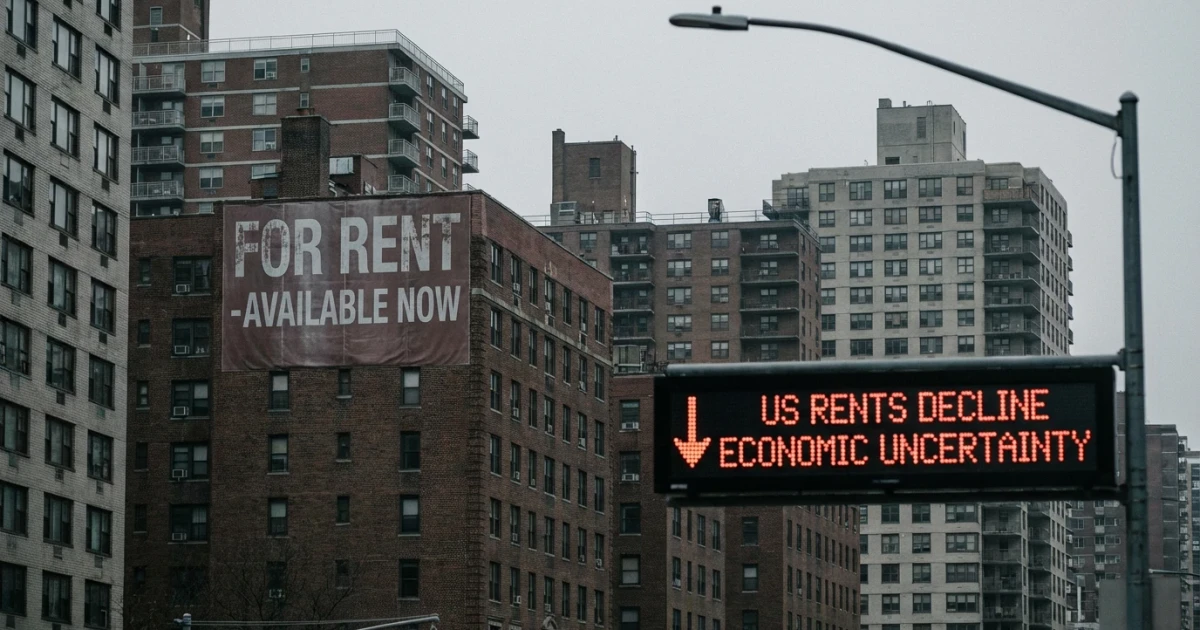
Apartment rents in the United States are weakening further, as ongoing global conflicts and a wave of job cuts weigh heavily on demand for rental housing. The latest trends highlight growing economic pressures faced by both renters and property owners, with experts noting that a combination of uncertainty and affordability concerns is reshaping the rental landscape.
Economic Headwinds Slow Rental Market
Data from the Federal Reserve Economic Data (FRED) shows that median asking rents have begun to dip after several years of steady growth. Market analysts, as reported by CNBC, point to recent job losses in key sectors and the ongoing impact of international conflicts as primary drivers behind the slowdown. As companies downsize and hiring freezes become more common, fewer households are entering the rental market or upgrading to more expensive units.
- Many metropolitan areas are reporting rising vacancy rates as demand softens.
- Landlords in competitive markets have responded by offering incentives or lowering rents to attract tenants.
- According to the latest data from Zillow Research, national rent growth has stalled and is even reversing in some regions.
Job Cuts and Uncertainty Affect Renter Confidence
With job cuts mounting across industries, the Bureau of Labor Statistics has noted an increase in unemployment claims, further dampening demand for new leases. Households facing employment uncertainty are more likely to stay put, move in with family, or seek lower-cost housing options, reducing the overall churn in the rental market.
CNBC reports that property managers in several urban centers are seeing higher turnover and a growing number of vacant units. While some landlords are attempting to cushion the blow with short-term leases or rent concessions, others are bracing for a period of lower occupancy and declining revenues.
Global Tensions Add to the Pressure
In addition to domestic job losses, international conflicts have contributed to economic uncertainty, causing some renters to delay household formation or relocation. This trend comes at a time when the cost of living remains elevated in many cities, putting further strain on affordability for millions of Americans.
The Harvard Joint Center for Housing Studies has previously highlighted how economic volatility and inflation can suppress rental demand, particularly among younger and lower-income demographics.
Regional Differences and Outlook
While the national trend points to weakening rents, there are significant regional differences. Some Sun Belt and Midwest markets are seeing more pronounced declines, while high-demand coastal cities remain relatively stable but are not immune to broader economic forces. The Apartment List National Rent Report provides further breakdowns, showing that the pace of rent decreases varies widely based on local employment conditions and supply levels.
What Renters and Landlords Can Expect
- Renters may find increased bargaining power as vacancy rates climb and landlords offer more incentives.
- Property owners should prepare for extended vacancy periods and consider flexible lease terms to maintain occupancy.
- Market experts caution that a prolonged period of weak demand could impact the financial health of the multifamily sector, especially for highly leveraged properties.
Looking Ahead
As geopolitical tensions and labor market uncertainty persist, both renters and landlords are likely to face ongoing challenges in the months ahead. Analysts will be watching closely for signs of stabilization or further declines as the economic landscape evolves. For now, the softening in apartment rents is a clear indicator of the broader pressures reshaping the U.S. housing market.