US News
U.S. appeals court halts Trump White House ballroom construction
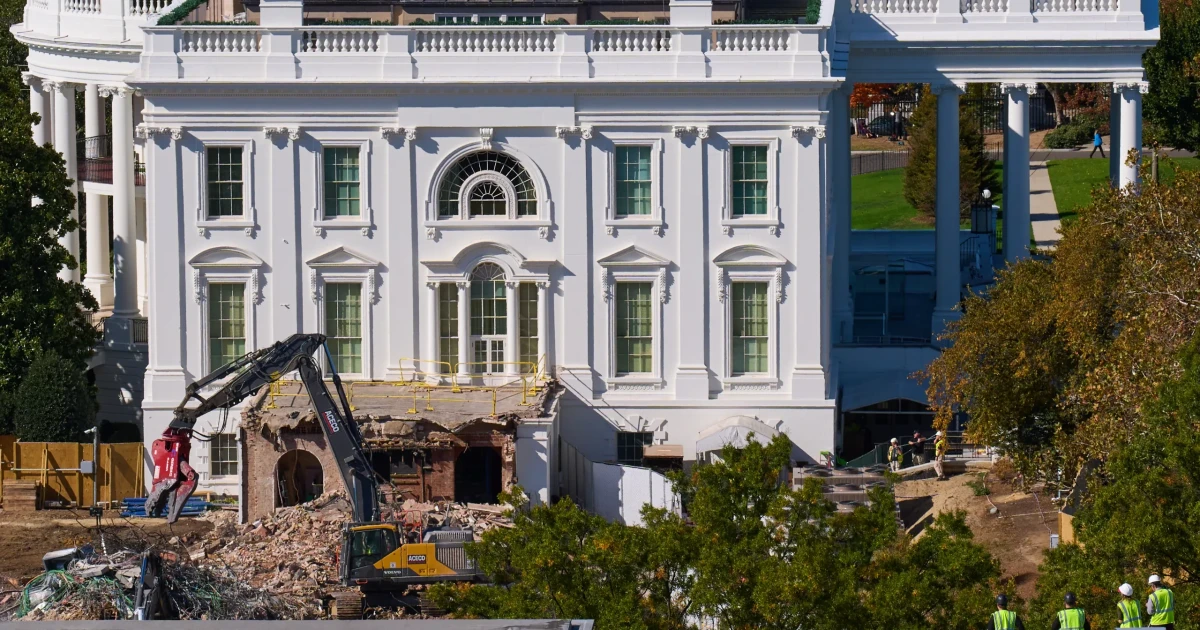
A federal appeals court on Friday halted construction of Donald Trump’s planned $400 million White House ballroom, saying the administration could not move ahead with a 90,000-square-foot addition on the East Wing site without congressional approval. The 2-1 ruling from the U.S. Court of Appeals for the District of Columbia Circuit marked a sharp judicial limit on the president’s power to remake the White House complex.
The court’s order said the White House lacked authority to unilaterally construct the ballroom, and it left the administration a short window to seek emergency relief from the Supreme Court. By blocking work now, the panel prevented further construction while the legal fight continues, a step with immediate consequences for contractors, labor schedules and any materials already committed to the project.
At the center of the case is a basic constitutional question: who gets to decide when a president can alter a federal landmark. Reuters said Trump lacked unilateral authority to build the ballroom where the East Wing once stood, while CBS News reported that the majority concluded Congress must authorize such a major reconstruction. The decision turns the ballroom dispute into a test of the limits on executive ambition, especially when the project changes not just an office or interior space but a visible part of the nation’s most symbolic government property.
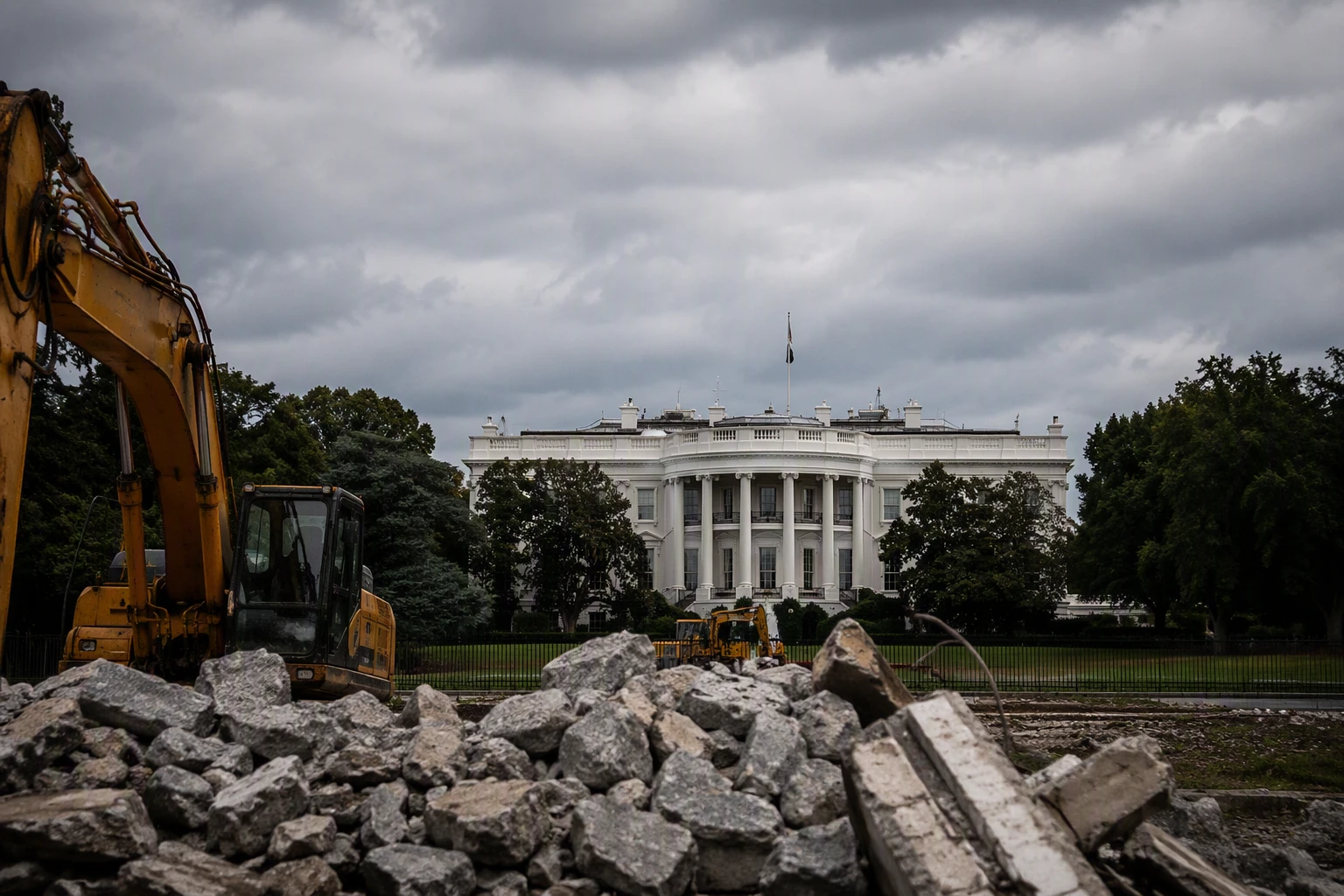
The White House project has drawn attention because of its scale, cost and location. Coverage described the ballroom as about 90,000 square feet, or 8,400 square meters, and priced the plan at $400 million. The BBC noted that the White House helipad and the new ballroom extension were visible in construction images, underscoring how far the project had already advanced before the appeals court stepped in. Later reporting also showed the East Wing already demolished.
The legal challenge had been building for months. The National Trust for Historic Preservation, a congressionally chartered nonprofit charged with preserving historic buildings, sued the White House over the project in December 2025 after earlier warning letters went unanswered. The Society of Architectural Historians also issued a statement on the proposed ballroom addition in October 2025, adding to criticism from preservation and design experts who questioned both the scale and the process.
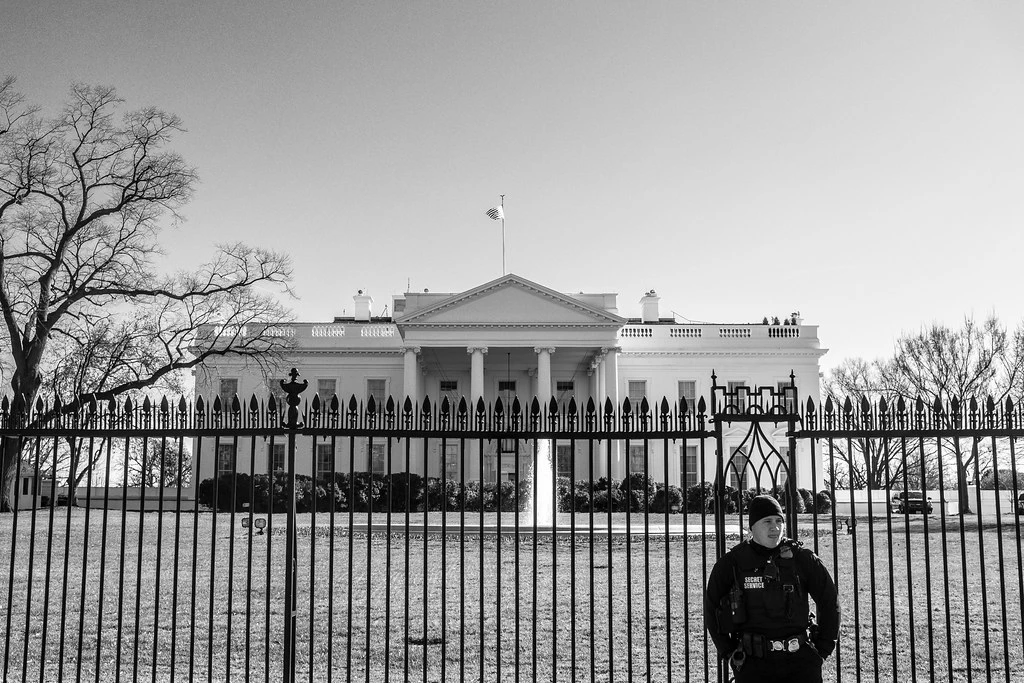
The appeals court’s pause gives Trump time to ask the Supreme Court to intervene, but it also sets a precedent for future fights over presidential control of public property. If the ruling stands, it would signal that even a president cannot sidestep Congress when a private-styled legacy project becomes a permanent change to a federal landmark.
Sources
- [1]bbc.com
- [2]reuters.com
- [3]pbs.org
- [4]cbsnews.com
- [5]nbcnews.com
- [6]savingplaces.org
- [7]sah.org