US News
US appeals court orders Enbridge Line 5 moved off Wisconsin tribal land
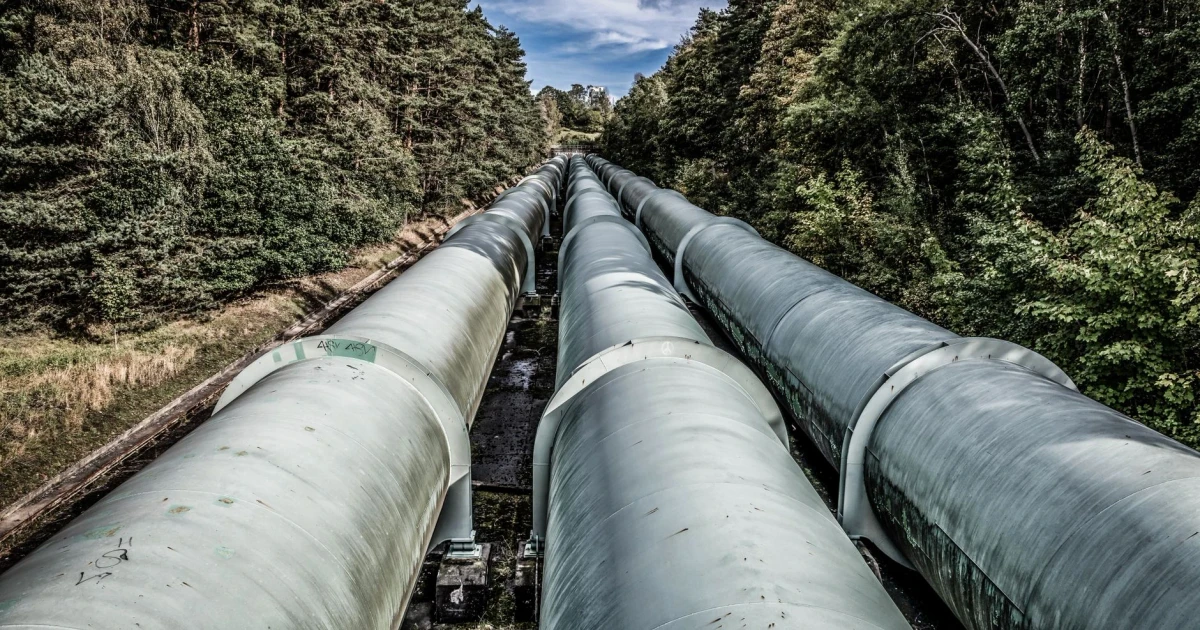
A federal appeals court ordered Enbridge to move its Line 5 pipeline off land belonging to the Bad River Band of the Lake Superior Tribe of Chippewa Indians in northern Wisconsin, finding the Canadian company liable for trespass. The court also gave Enbridge more time to reroute the line and ordered damages to be recalculated, turning a long-running land dispute into a direct test of how federal judges weigh tribal sovereignty against energy infrastructure.
The 7th U.S. Circuit Court of Appeals left the trespass finding intact and sent the case back to the district court to reconsider remedies, including the timeline for removal. That matters because Line 5 is part of a major cross-border oil system, and forcing a reroute could alter regional fuel flows, add costs and require a new assessment of spill risk along whatever path replaces the current route.
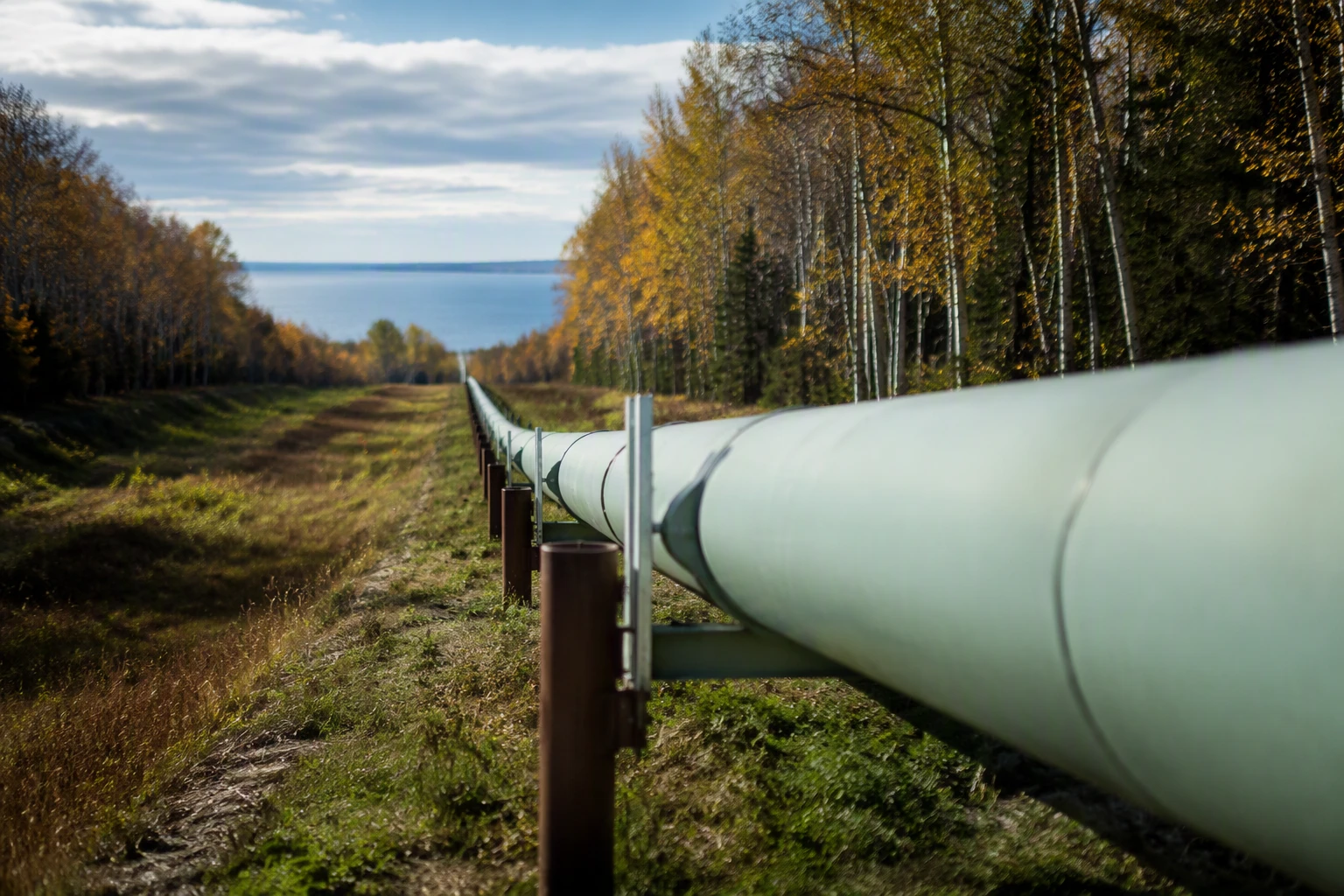
The Bad River Band has fought the pipeline on the ground that it crosses land tied to the reservation without proper legal authority. The tribe has also pointed to Enbridge’s 2010 pipeline rupture in Michigan, which spilled nearly 1 million gallons of oil into the Kalamazoo River, as evidence of the damage a major failure can inflict. In its public case materials, the tribe said a similar rupture on the reservation would devastate the Bad River and its way of life.
The ruling gives the dispute wider national significance because it does more than reject a company’s claim to stay in place. By requiring Enbridge to move the line, the court put real force behind the argument that pipelines running through or near Native land cannot rely indefinitely on contested routes, even when they are embedded in wider regional energy networks. That makes the case a likely reference point for future fights over fossil-fuel infrastructure on tribal land, especially where historic permits, environmental review and treaty rights collide.
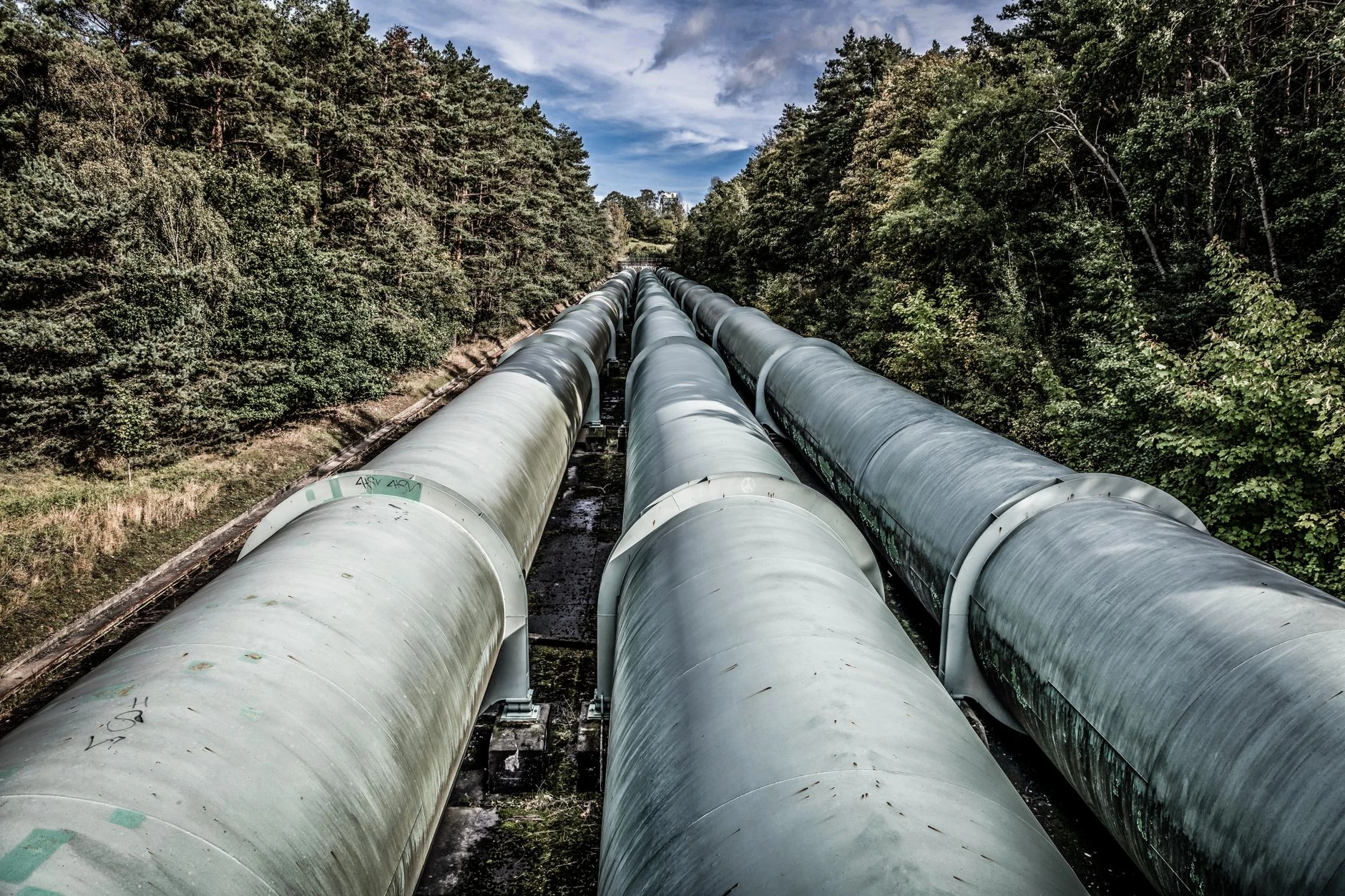
For Enbridge, the decision creates a legal and operational challenge that could shape long-term planning, investor expectations and talks with government agencies. For Native nations, it strengthens the possibility that federal courts will treat trespass claims as more than a paper judgment, and that a pipeline’s physical location, not just its operating status, can determine the outcome of a sovereignty fight.
Sources
- [1]reuters.com
- [2]x.com
- [3]law.justia.com
- [4]pgjonline.com
- [5]badriver-nsn.gov