Business
U.S. auto market could shrink sharply by 2040, Bain says
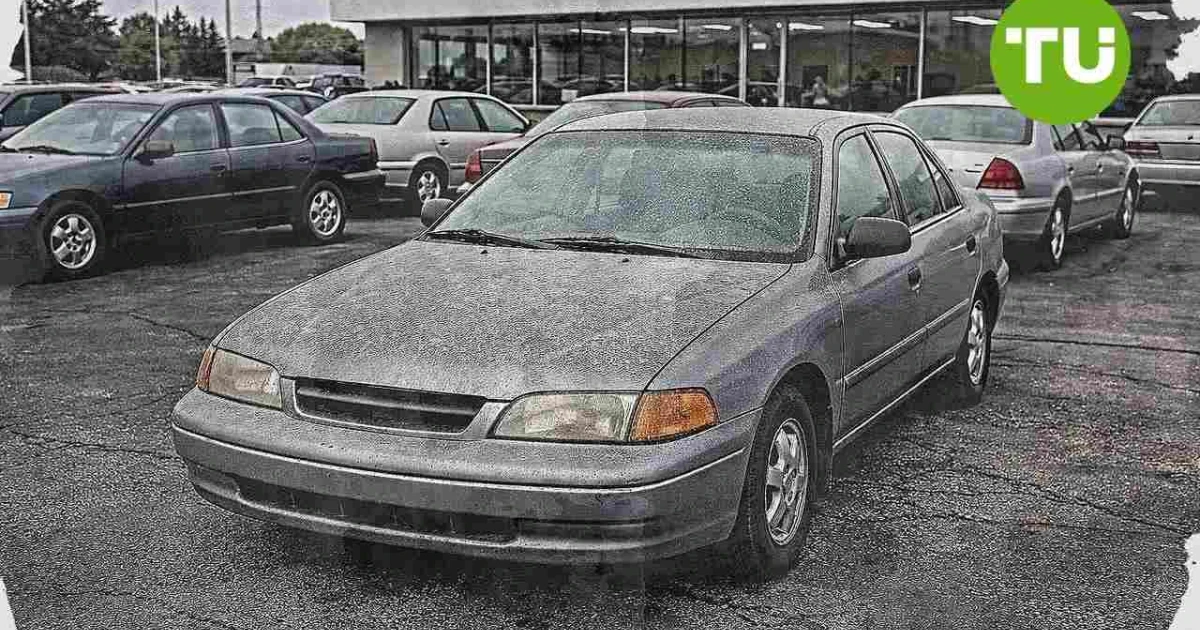
The U.S. auto market is heading toward a smaller, older and more expensive customer base, with Bain & Company projecting sales could fall by more than 2 million units by 2040 as affordability tightens and younger drivers step back. Mark Gottfredson said the industry is moving from a growth business to a declining one.
That shift is showing up first among households least able to absorb higher monthly costs. Cox Automotive said the average auto loan rate reached 9.94% in June 2025 and the typical payment rose to $757, while imported vehicles faced as much as $5,700 in added tariff cost per vehicle. The average new-vehicle listing price hit a 2026 high of $49,307 in May, with the average transaction price at $49,220. Cox said it took 39.1 weeks of median income to buy the average new vehicle in June 2024, improving only to 37.3 weeks in June 2025.
The pressure is strongest for younger buyers. Half of 16-year-olds today do not have a driver’s license, far below the nearly 70% rate recorded between 1966 and 1984. The share of new registrations from buyers ages 18 to 34 fell from 12% in the first quarter of 2021 to under 10% by mid-2025, while buyers 55 and older now account for nearly half of all new registrations. CNBC said roughly 450 nameplates are already competing for a shrinking pool of consumers, a sign that the fight for share is getting harder even before demand weakens further.

The headwinds go beyond sticker price. CNBC said the U.S. fertility rate was about 1.6 births per woman in 2025, below the replacement rate of 2.1, and Bain expects restrictive immigration policies could cut historical net migration rates in half over the next 15 years. Those trends matter because the industry has long counted on about 1% annual growth tied to population gains. The U.S. market reached a record 17.6 million vehicles sold in 2016, but the growth engine that supported that peak is fading.
The squeeze has broad consequences for factories, dealers and policy makers. The National Automobile Dealers Association said franchised light-vehicle dealers sold 16.2 million vehicles in 2025, generated more than $1.3 trillion in sales and wrote more than 276 million repair orders. If more households keep cars longer and more young buyers never enter the new-car market, manufacturers will have to chase a smaller pool with more expensive technology, dealers will lean harder on service revenue, and states will face more pressure to think about transit and other mobility options for people priced out of ownership.
Sources
- [1]news.google.com
- [2]cnbc.com
- [3]coxautoinc.com
- [4]nada.org