Business
US aviation coalition urges Congress to fund air traffic overhaul
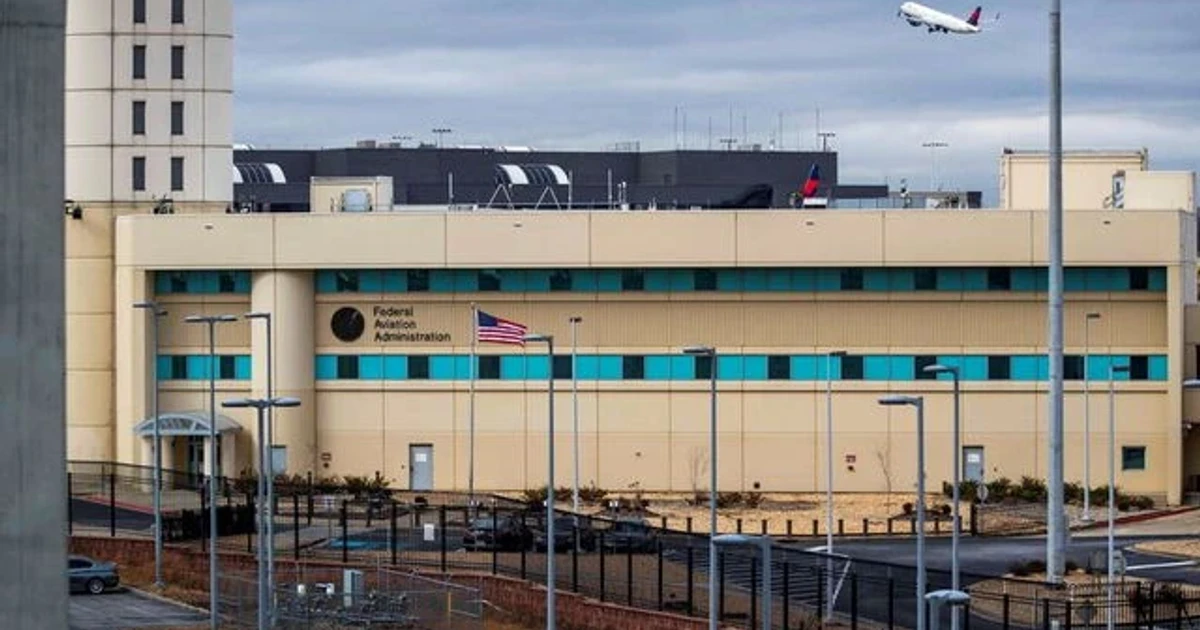
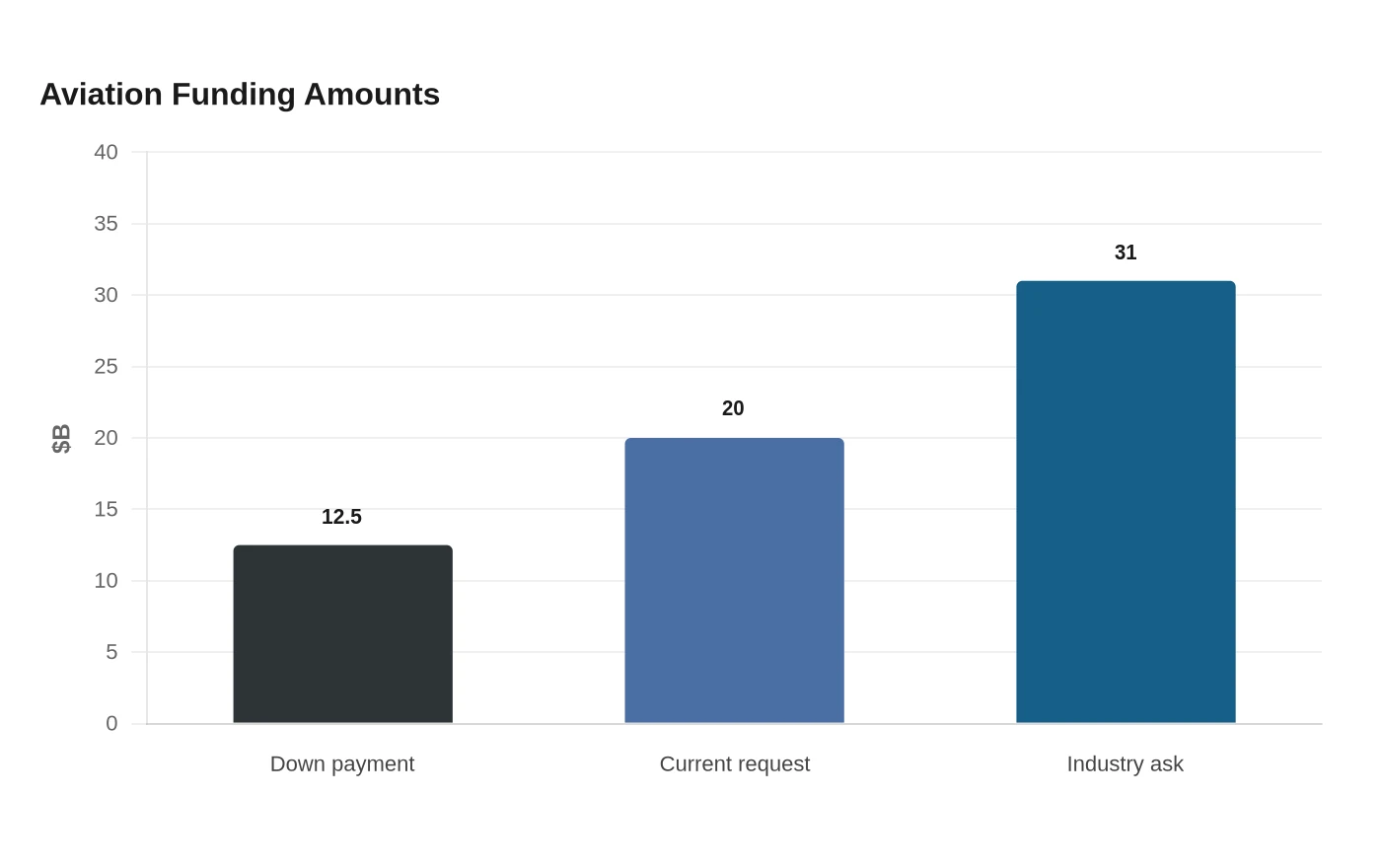
A broad coalition of airlines, aircraft makers, airports and labor unions pressed Congress on Wednesday to approve $20 billion for the U.S. air traffic control system, arguing that travelers have absorbed the cost of chronic delays, aging radar and strained staffing for too long. The FAA says equipment-related delay minutes in 2025 were about 300 percent above the average from 2010 to 2024. The push lands as the White House has said parts of the network still rely on radar, telecommunications and traffic control centers dating to the 1960s.
Under the FAA’s Brand-New Air Traffic Control System plan, the money would help deliver a state-of-the-art system by the end of 2028. The agency’s materials call for 5,170 new high-speed network connections, 27,625 radios, 462 digital voice switches and 612 state-of-the-art radars. They also list 44 airports with new replacement surface radars, 200 airports with Surface Awareness Initiative surveillance technology, 89 airports with new Terminal Flight Data Manager tools, 435 air traffic control towers with new Enterprise Information Display Systems, 113 towers with new Tower Simulation Systems, one new consolidated Air Route Traffic Control Center, 110 additional weather stations in Alaska and 64 more weather camera sites in Alaska.
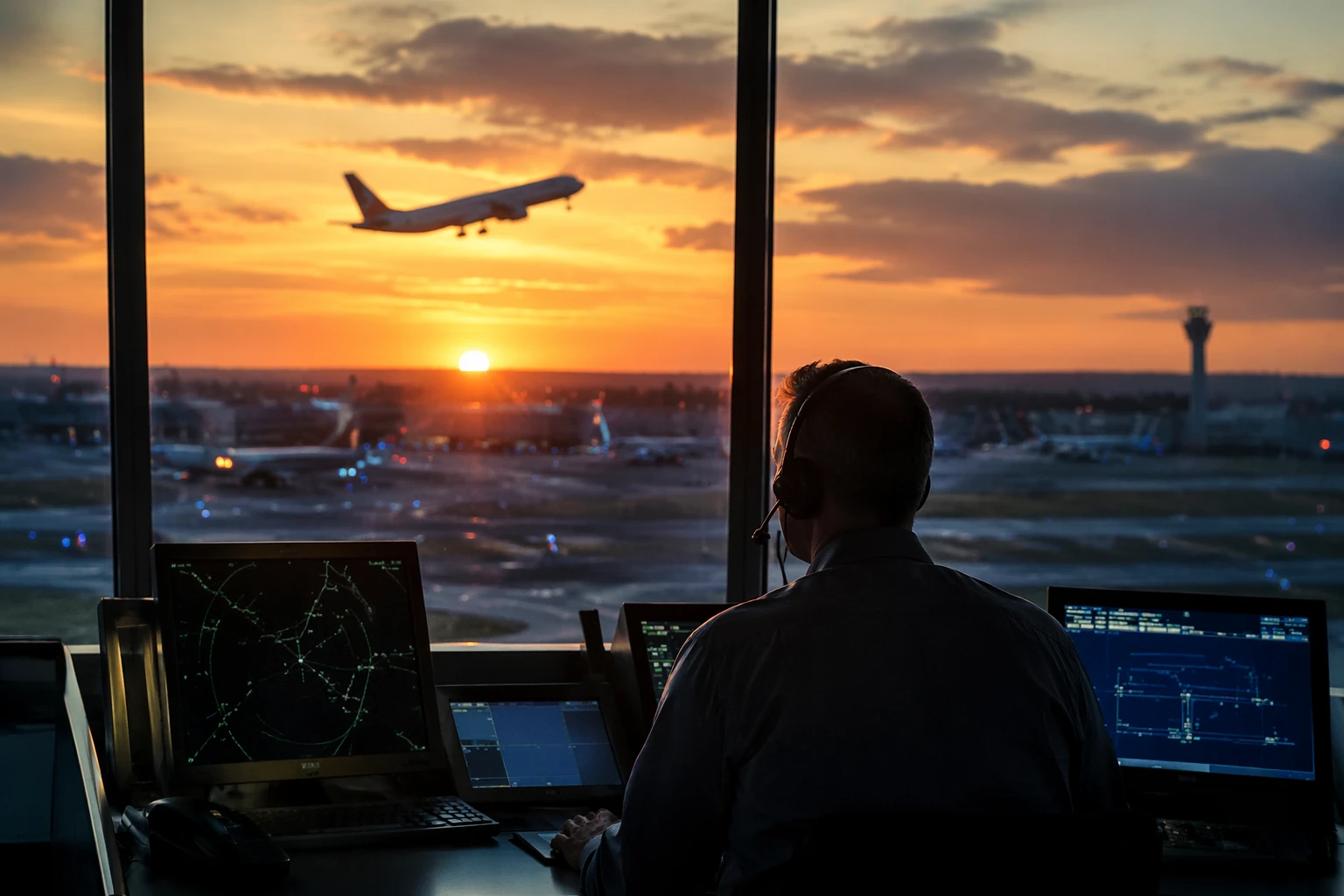
Congress had already approved a $12.5 billion down payment on the overhaul in 2025. The White House said that package would replace aging infrastructure, including radar, telecommunications and traffic control centers, some dating back to the 1960s. The current request sits between that initial investment and the larger demands now circulating in the industry, where Transportation Secretary Sean Duffy has pushed for at least $20 billion in initial funding and major aerospace companies and airlines have sought at least $31 billion to fix equipment, radar systems, new towers and runway-safety issues.
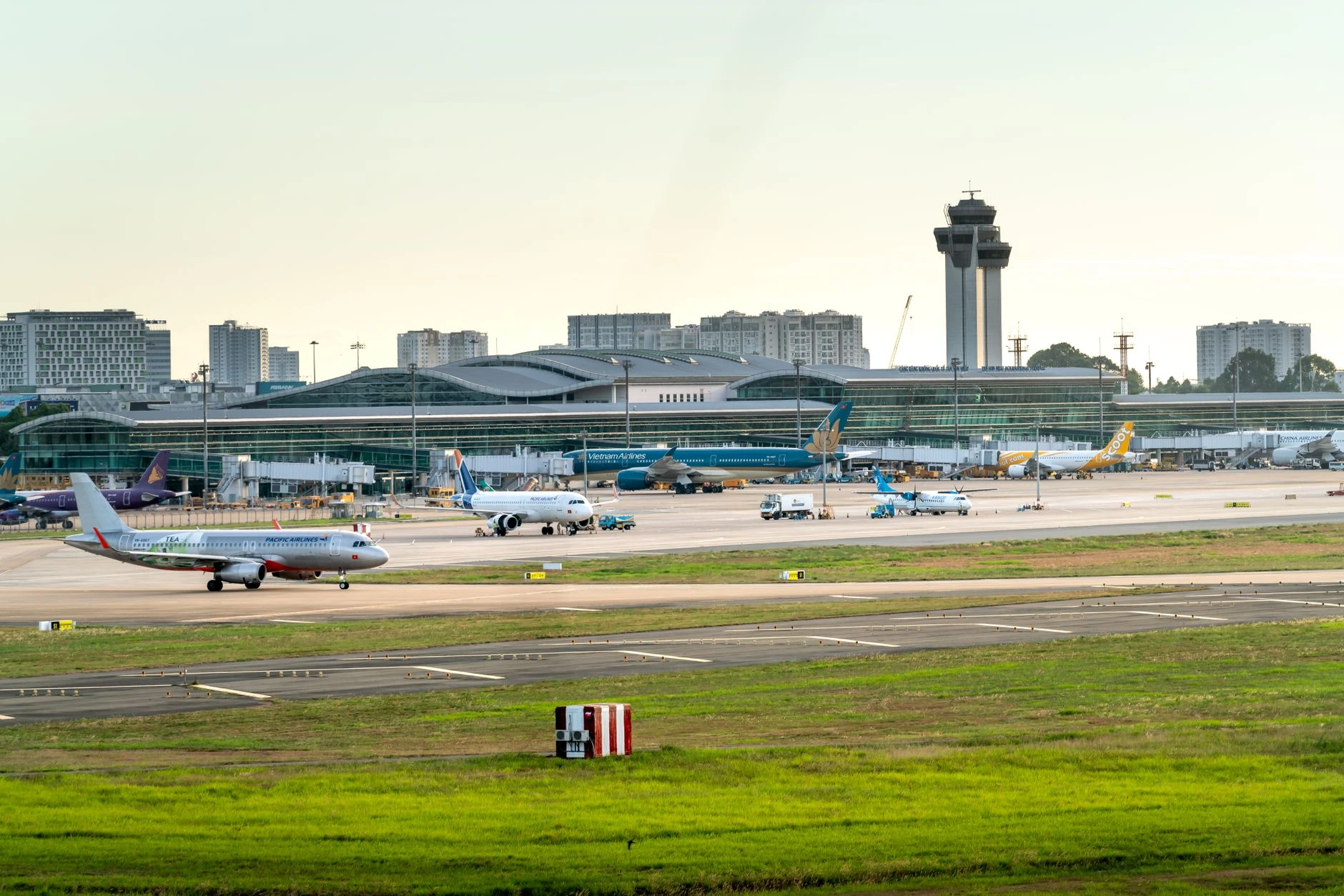
The coalition behind the effort is broad enough to span nearly every corner of aviation. The Modern Skies coalition says it represents airlines, general aviation, airports, labor and manufacturers, and its members include Airlines for America, the National Business Aviation Association, the National Air Transportation Association, the National Air Traffic Controllers Association, Boeing, Airbus, the U.S. Travel Association and the U.S. Chamber of Commerce. The group has backed modernization since 2025, and the FAA and Transportation Department held a Modern Skies summit in Washington on April 21, 2026, to highlight progress and the role of Peraton as the prime integrator for the rollout.
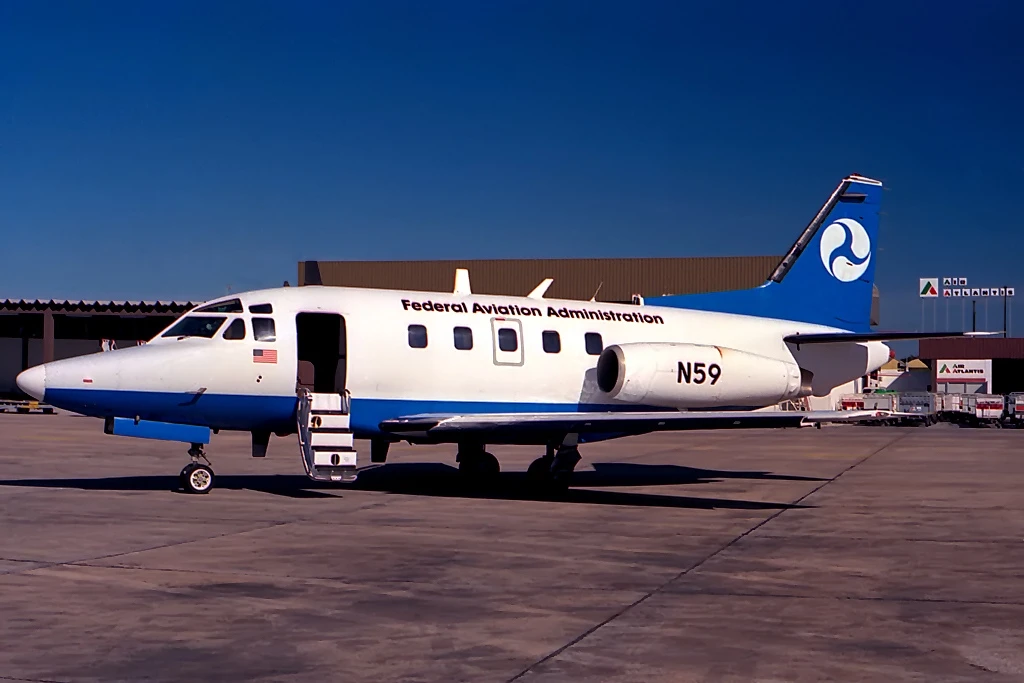
For passengers, the benchmark is blunt: fewer equipment-related delay minutes, faster installation of the new radios, radars and tower systems, and a federal network that can hit the end-2028 deadline without another round of stopgap fixes.
Sources
- [1]usnews.com
- [2]msn.com
- [3]faa.gov
- [4]whitehouse.gov
- [5]modernskies.com
- [6]nbaa.org
- [7]reuters.com