US News
US B-52 Bombers Conduct Flights Over Iran Amid Rising Tensions
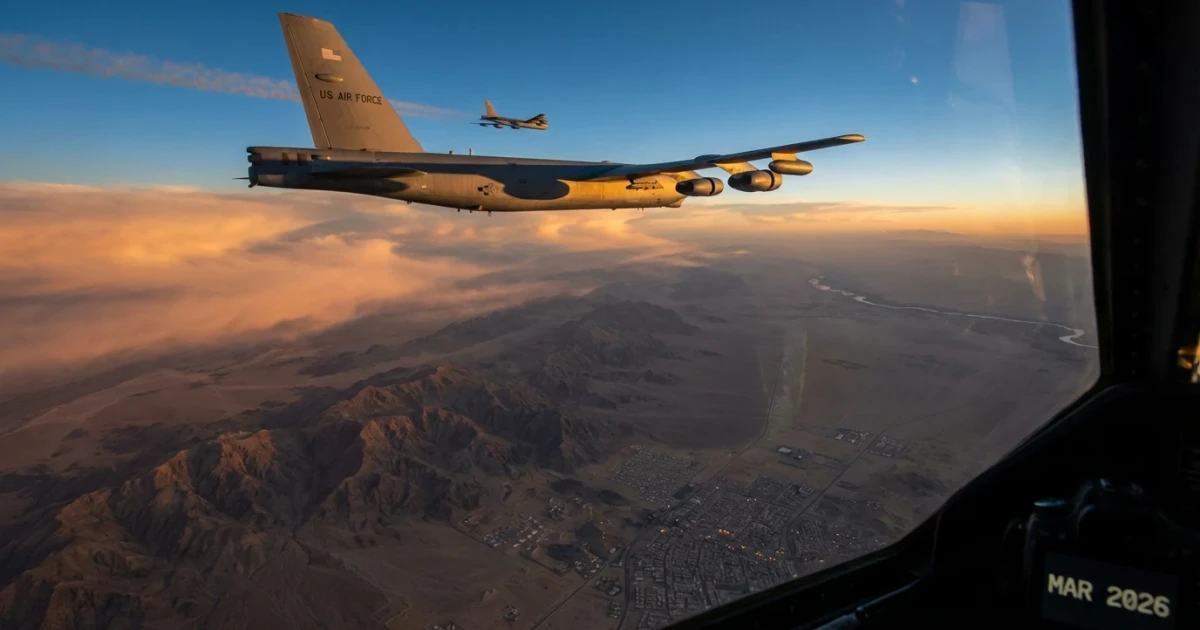
The United States has started flying B-52 bombers over Iran, the Pentagon confirmed, marking a significant escalation in military activity as the Middle East faces renewed crisis. The announcement follows mounting tensions across the region, with US officials citing the flights as both a deterrent and a demonstration of American air power.
Strategic Message Behind B-52 Flights
The Pentagon stated that the deployment of the long-range B-52 Stratofortress bombers is intended to underscore US commitment to its allies and deter potential adversaries. The Guardian reported that these flights, conducted by aircraft capable of carrying both conventional and nuclear payloads, are part of a broader strategy to maintain "air supremacy" in the region. These missions are designed to reassure partners and send a clear signal to Iran regarding US resolve.
B-52 Bomber Capabilities and Role
The B-52 Stratofortress has been a cornerstone of US strategic deterrence since the 1950s. Known for its ability to fly intercontinental missions without refueling and deliver a wide array of ordnance, the B-52 remains one of the most versatile bombers in the US Air Force. According to the USAF Almanac 2023, the US maintains an active fleet of over 70 B-52s, with regular deployments to forward bases during periods of heightened tension.
- Range: Over 8,800 miles without aerial refueling
- Payload: Up to 70,000 pounds of mixed munitions
- Operational History: Active since 1955, with major roles in every US conflict since the Vietnam War
Regional Response and Risks
The decision to fly B-52 bombers over Iran has been met with concern from regional actors and the international community. Previous military deployments of US aircraft in the Middle East have often led to increased scrutiny and, in some cases, escalation. While the Pentagon described the flights as defensive, Iran has historically viewed such overflights as provocative, potentially increasing the risk of miscalculation.
Operational Details and Airspace Management
B-52 flights over Iran require complex coordination of airspace, especially given the crowded skies of the Middle East. Data from the International Civil Aviation Organization shows that the region is heavily trafficked by both military and civilian aircraft, increasing the need for careful planning to avoid unintended incidents.
Significance and Analysis
The latest B-52 missions represent a continuation of a longstanding US policy to use strategic bombers as a visible deterrent in times of crisis. Analysts note that while such flights are not new, their timing and frequency often reflect the perceived urgency of the situation. The Guardian emphasized that the current flights come amid a wider atmosphere of instability, with US officials seeking to reassure allies and contain potential threats.
Looking ahead, the persistence of these flights will likely depend on both diplomatic developments and military assessments of the threat environment. For now, the presence of US B-52 bombers over Iran serves as a stark reminder of the region’s volatility and the enduring role of air power in American strategy.