World
U.S.-backed Lebanon ceasefire strained as Israel and Hezbollah clash again
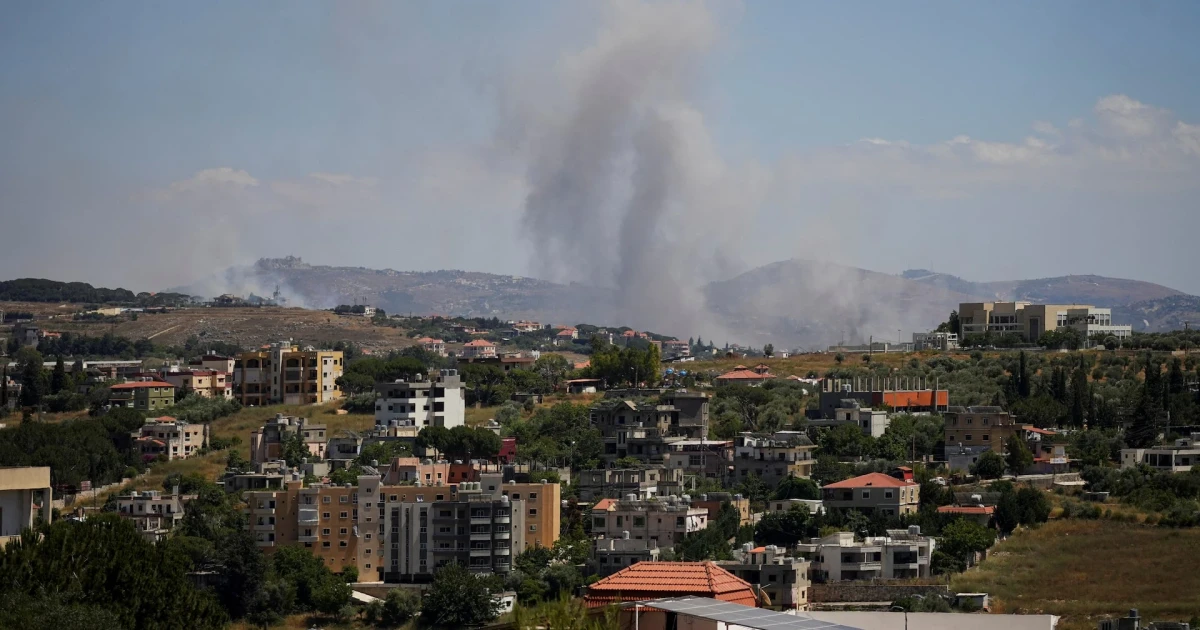
The latest Israel-Hezbollah pause looked less like a clean break than a stress test for a wider regional deal. After days of deadly fighting in southern Lebanon, officials said the two sides agreed on June 19 to halt heavy combat, even as artillery fire was still reported along the border and the truce remained clouded by questions over whether Israel would actually pull back from its buffer zone.
The toll underscored how fast the confrontation escalated. The June 19 flare-up killed 47 people in Lebanon and four Israeli soldiers, then pushed the crisis into the center of U.S. diplomacy. The ceasefire was brokered through the United States and Qatar, with Iranian involvement in the talks, and it came only after fighting in Lebanon delayed planned negotiations in Switzerland over a broader U.S.-Iran understanding.
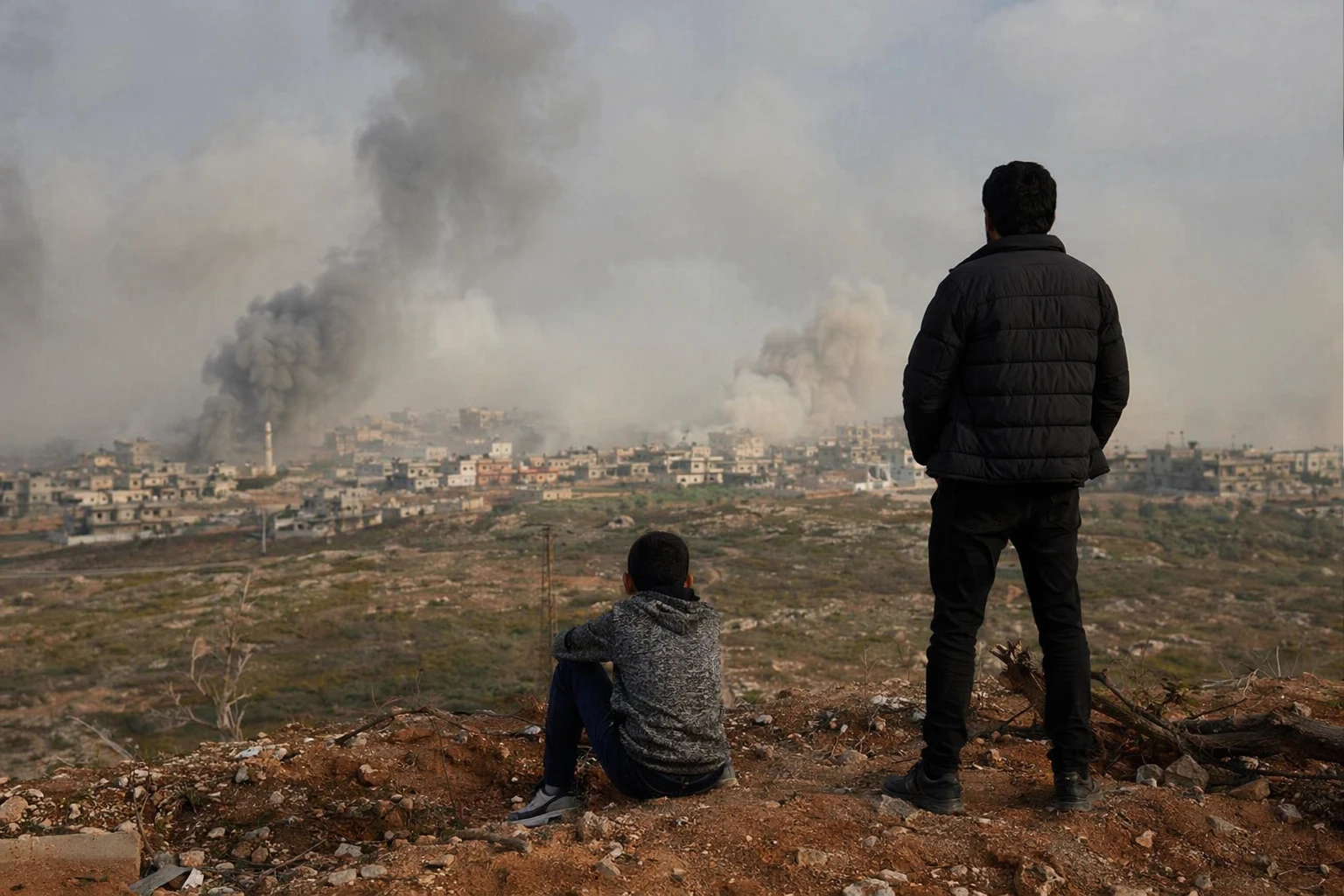
That larger diplomatic track was already fragile. A June 3 U.S. State Department statement said the fourth high-level trilateral meeting between Israeli and Lebanese representatives had produced an agreement to implement a ceasefire contingent on a complete cessation of Hizbollah fire and the evacuation of all Hizbollah operatives from the South Litani Sector. The same statement said the sides would advance pilot zones in which the Lebanese Armed Forces would take exclusive control, and that the future relationship between Israel and Lebanon should be decided by the two sovereign governments.
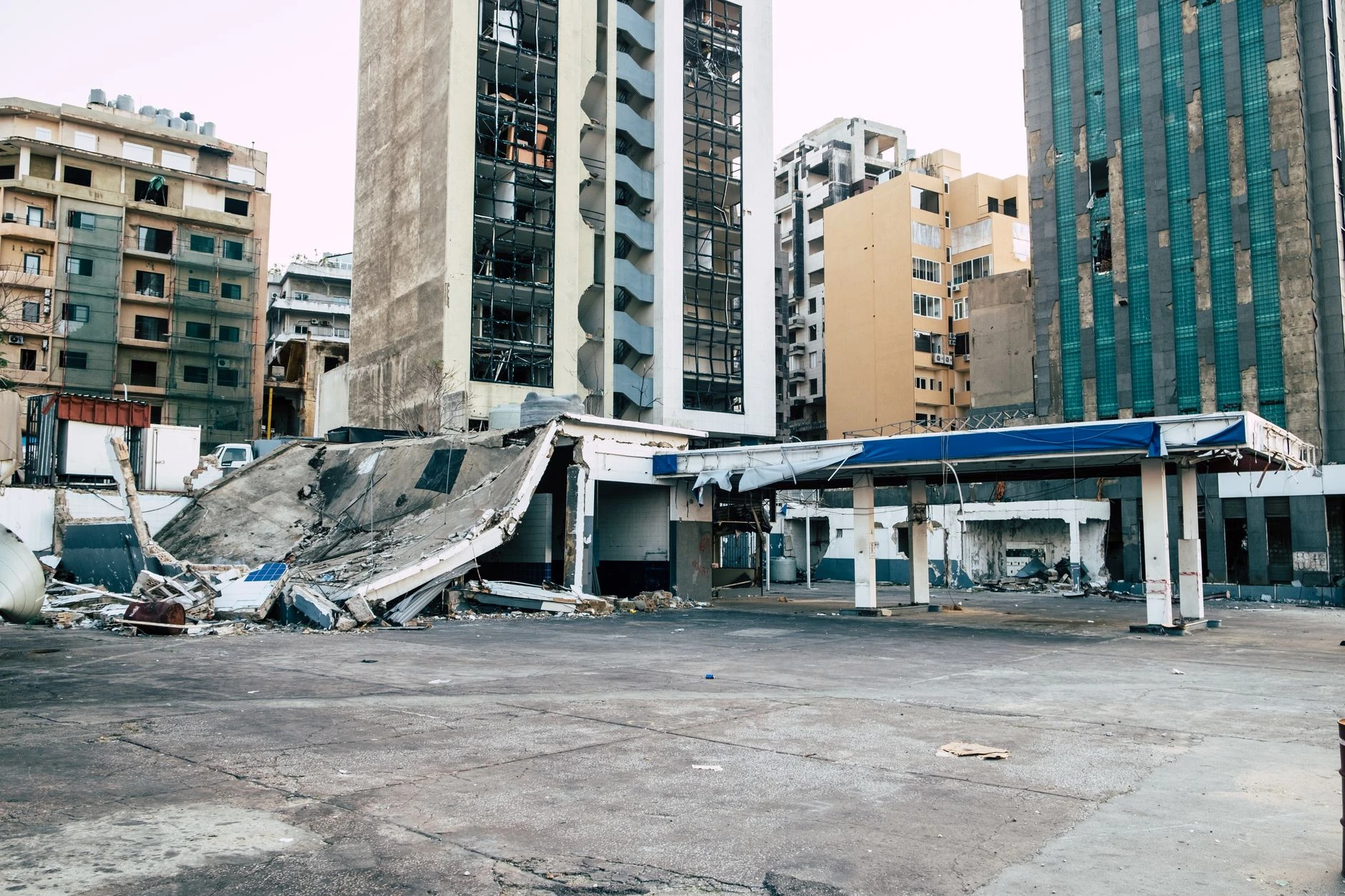
Even before the June 19 fighting, Israeli officials were preparing for a more constrained battlefield. On May 24, reporting said the Israel Defense Forces were weighing the possibility that an emerging U.S.-Iran deal could force it to rein in operations against Hezbollah. Israeli officials wanted to keep operating in parts of southern Lebanon they had captured since March 2, a sign that the military campaign and the diplomacy were already on a collision course.
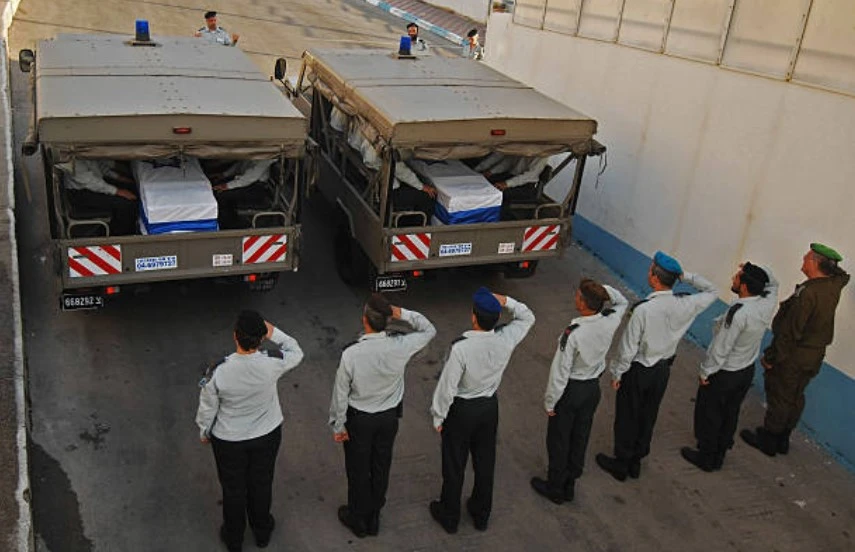
By June 19, that collision had become harder to avoid. Israel had not publicly confirmed the truce immediately, and analysts warned that the Lebanon front could still unravel the broader U.S.-Iran deal, which was meant to reopen the Strait of Hormuz and open further talks on Iran’s nuclear program and sanctions. The result is a narrow de-escalation corridor, but one that can still close quickly if either side decides the ceasefire is only temporary.
Sources
- [1]nytimes.com
- [2]state.gov
- [3]usnews.com
- [4]timesofisrael.com
- [5]yahoo.com