Business
U.S. backs Energy Fuels with $725 million rare earth loan
Washington moved to turn rare earths into industrial policy with a $725 million conditional loan commitment for Energy Fuels, betting federal finance can help build a domestic supply chain that is less exposed to China. The backing is aimed at a new U.S.-based separation and metallization facility, the kind of downstream capacity that matters as much as mining itself because rare earths are the metals behind permanent magnets used in electric vehicles, wind turbines, hard drives and MRI machines.
The commitment fits a broader national-security push to rebuild processing capacity inside the United States, not just to dig up more ore. The Office of Strategic Capital said the project would support permanent magnet facilities across the broader U.S. industrial base, underscoring how Washington now sees critical minerals as part of defense readiness, advanced manufacturing and energy strategy. In fiscal 2026, OSC said it has committed more than $5 billion in debt financing and mobilized more than $11 billion in total capital from public and private sources.
Energy Fuels, best known for uranium, has already been moving deeper into the rare earth value chain. The company operates a uranium processing facility and a rare earth oxide separation facility at White Mesa Mill in Utah, and said the contemplated financing would carry a 20-year tenor. It would support expansion at White Mesa Mill as well as a planned rare earth metals and alloy facility to be built in the United States, a step that would move the company from separation into higher-value metallization and alloys.
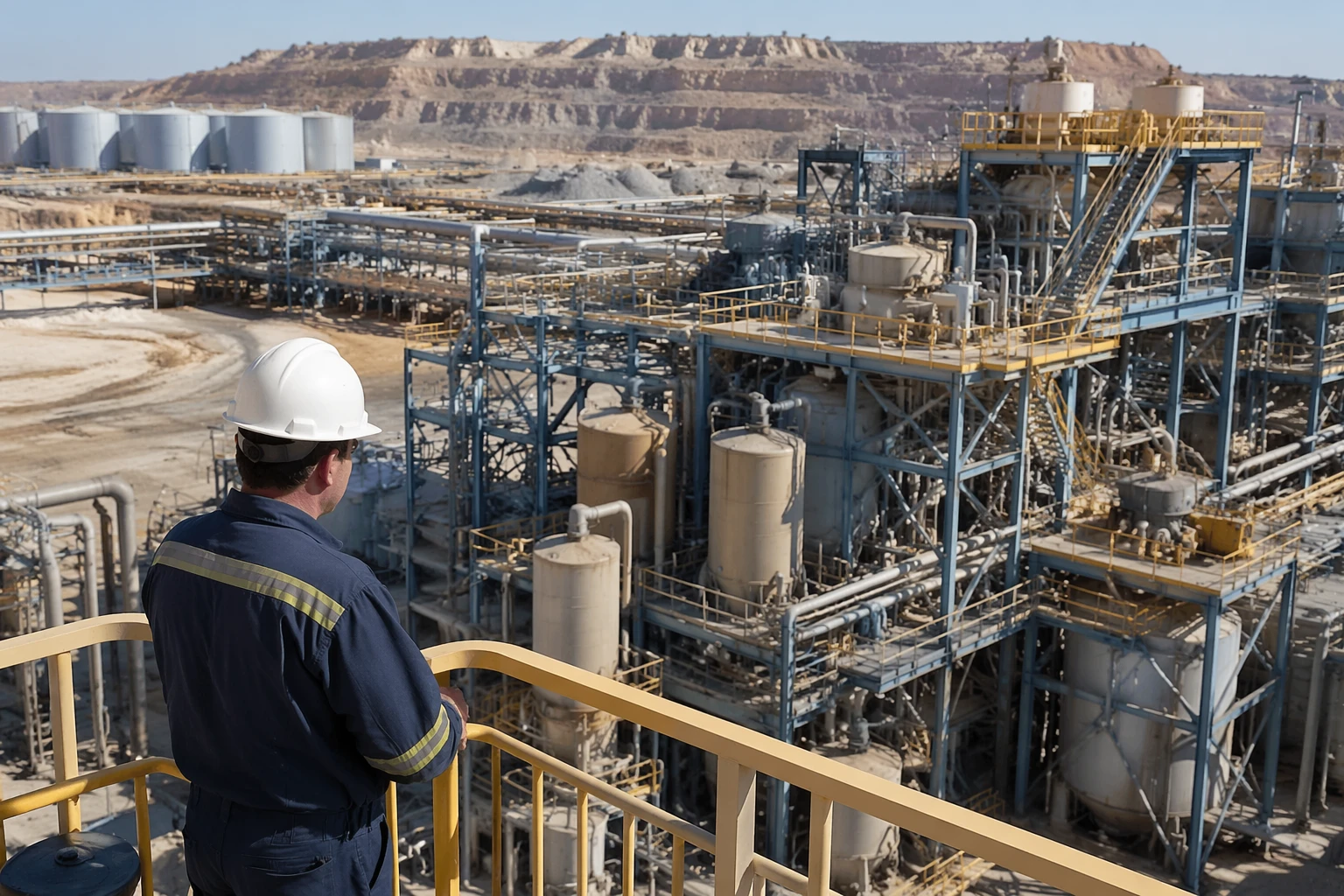
The deal is still conditional, with due diligence, final agreements, customary closing conditions and approvals still to come before financial close. That caution matters. Rare earth projects are capital-intensive, technically complex and slow to scale, which is exactly why the government is willing to use loan support to de-risk private investment. Even so, $725 million buys only part of a chain that still needs processing, metalmaking, magnet production and secure end-market demand to become truly independent of China.
Energy Fuels also tied the strategy to a planned acquisition of Australian Strategic Materials Limited, saying it would add rare-earth metal and alloy-making expertise and facilities in South Korea. That would broaden the company’s reach beyond Utah and deepen its position in a mine-to-magnet supply chain that Washington increasingly wants built across allied and domestic assets.
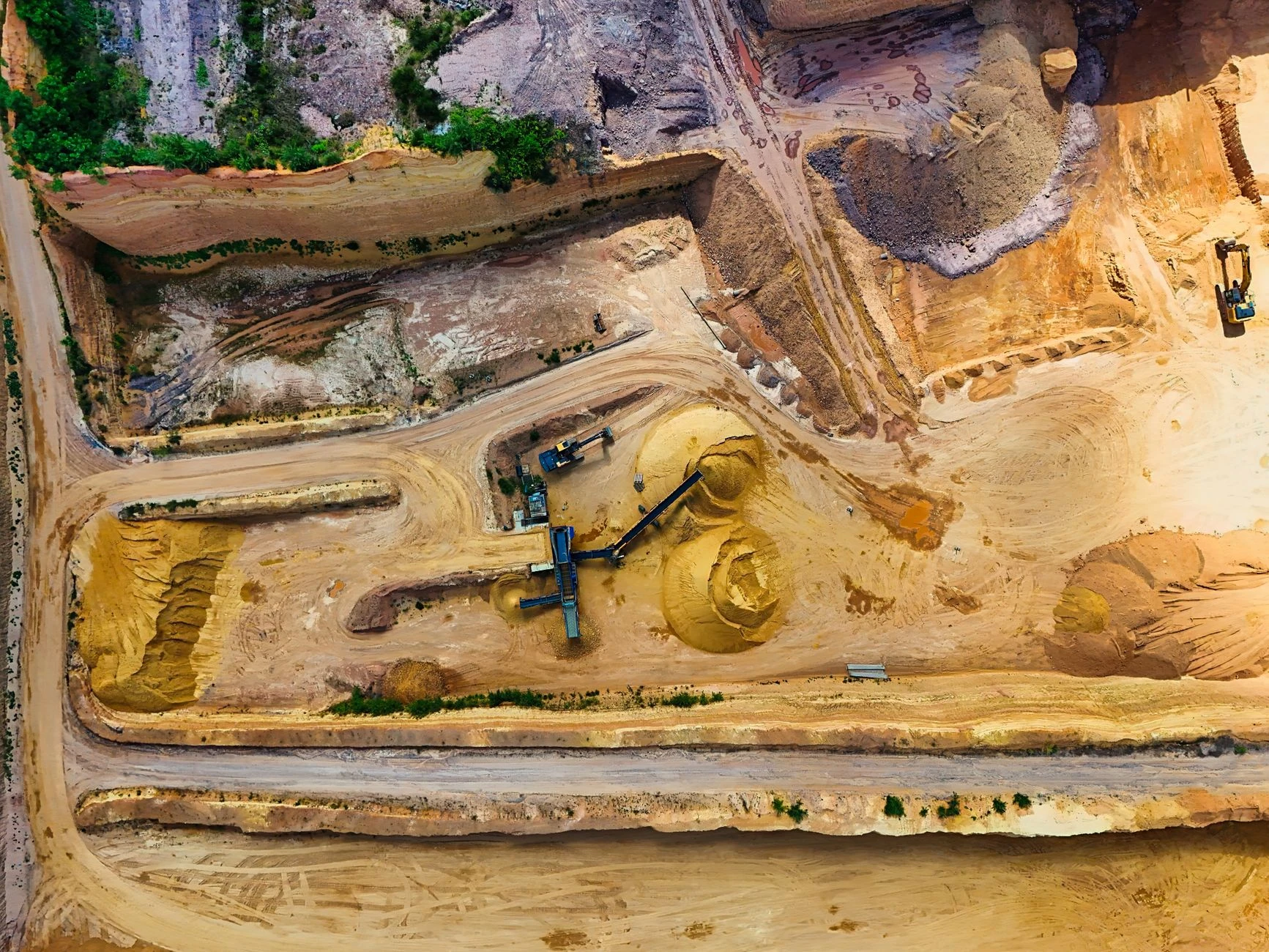
Investors immediately treated the loan as a material signal. Energy Fuels shares rose 9.25% in morning trading in New York, while the Toronto-listed stock climbed 9.6% to C$23.69, valuing the company at C$5.78 billion. For Washington, the message was equally clear: rare earth security is no longer a theoretical goal, but a capital-backed campaign to build industrial resilience before the next geopolitical shock.