Business
U.S. becomes world’s top oil exporter, upending global energy order
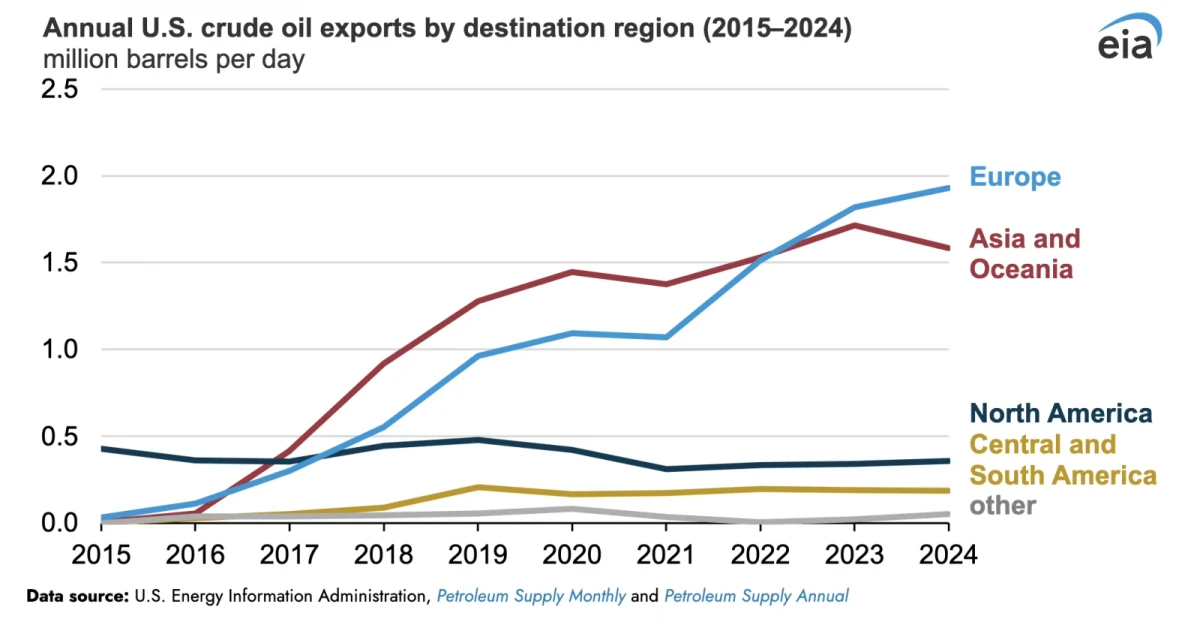
The United States has become the world’s largest oil exporter, a striking reversal for a country that once felt the squeeze of the Arab oil embargo and now sits at the center of global energy trade. The milestone upends an order long dominated by Saudi Arabia and Russia, and it shows how far American producers have moved from being price takers to market shapers.
That shift did not happen overnight. Shale development, stronger pipeline networks and expanded port capacity have allowed U.S. crude and refined products to reach foreign buyers at scale. The result is an export machine built on infrastructure as much as geology, with American barrels now moving through global supply chains in volumes that were hard to imagine a generation ago.
The change has widened the strategic role of U.S. energy. Washington’s war with Iran is reshaping shipping routes, risk calculations and expectations for future supply, making export volumes more than a commercial measure. For American producers, the rise in overseas sales strengthens their grip on energy markets and ties their fortunes to events far beyond domestic fields, from tanker lanes in the Middle East to the pricing signals set in international crude benchmarks.
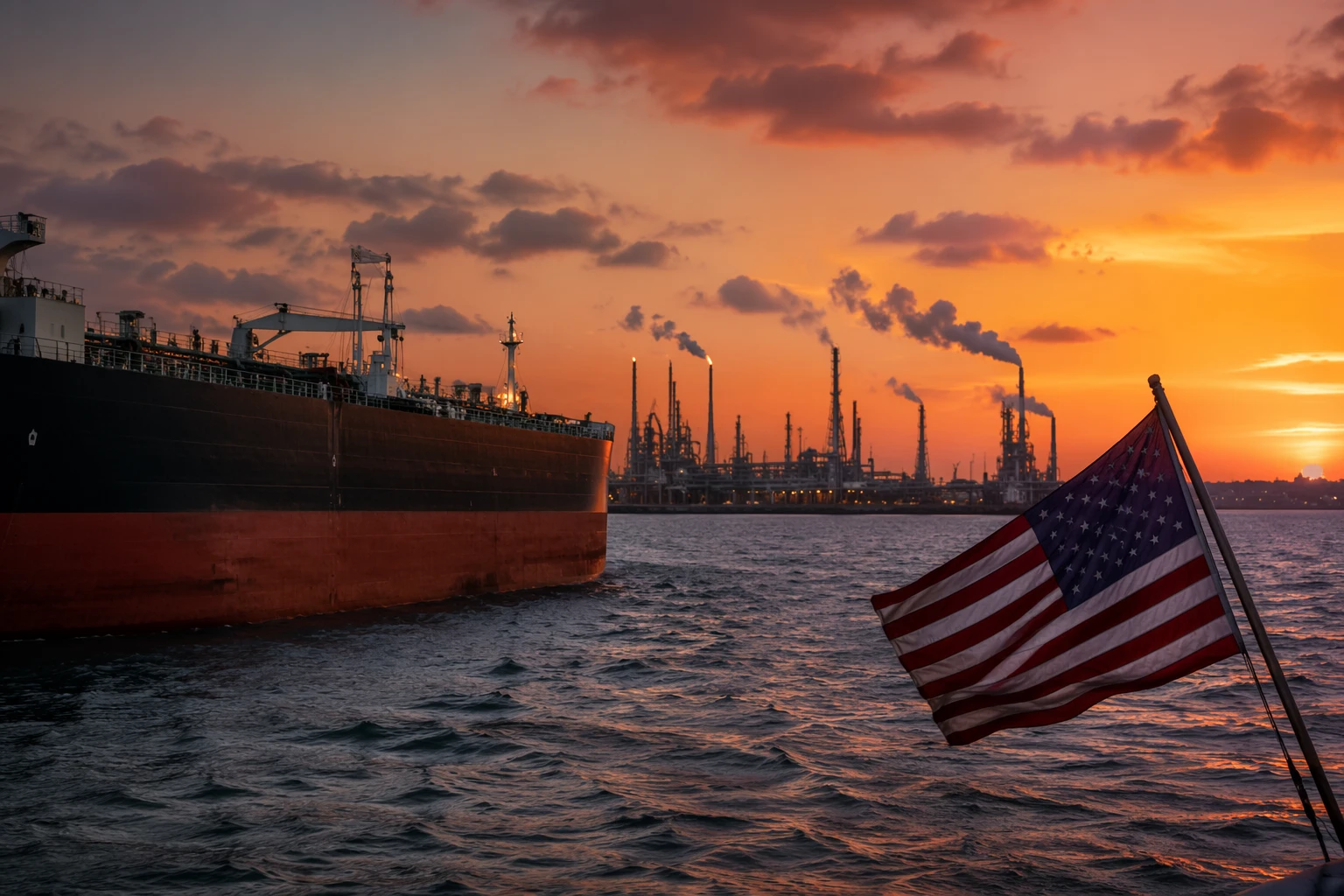
For consumers, the picture is more complicated. Higher exports can support domestic drilling, keep cash flowing into oil-producing regions and sustain jobs across the sector. But export dominance does not mean energy independence at the pump. U.S. fuel prices still track international markets, and any disruption that rattles global supply can push gasoline higher even when American output remains strong.
That tension is what makes the moment so consequential for policymakers and investors. A country that once worried about being cut off from foreign oil now has a powerful tool of influence in its own hands. Yet the same exposure that gives American firms reach abroad also leaves U.S. consumers tied to a volatile world market, where conflict, shipping risks and OPEC decisions still reverberate through household budgets.
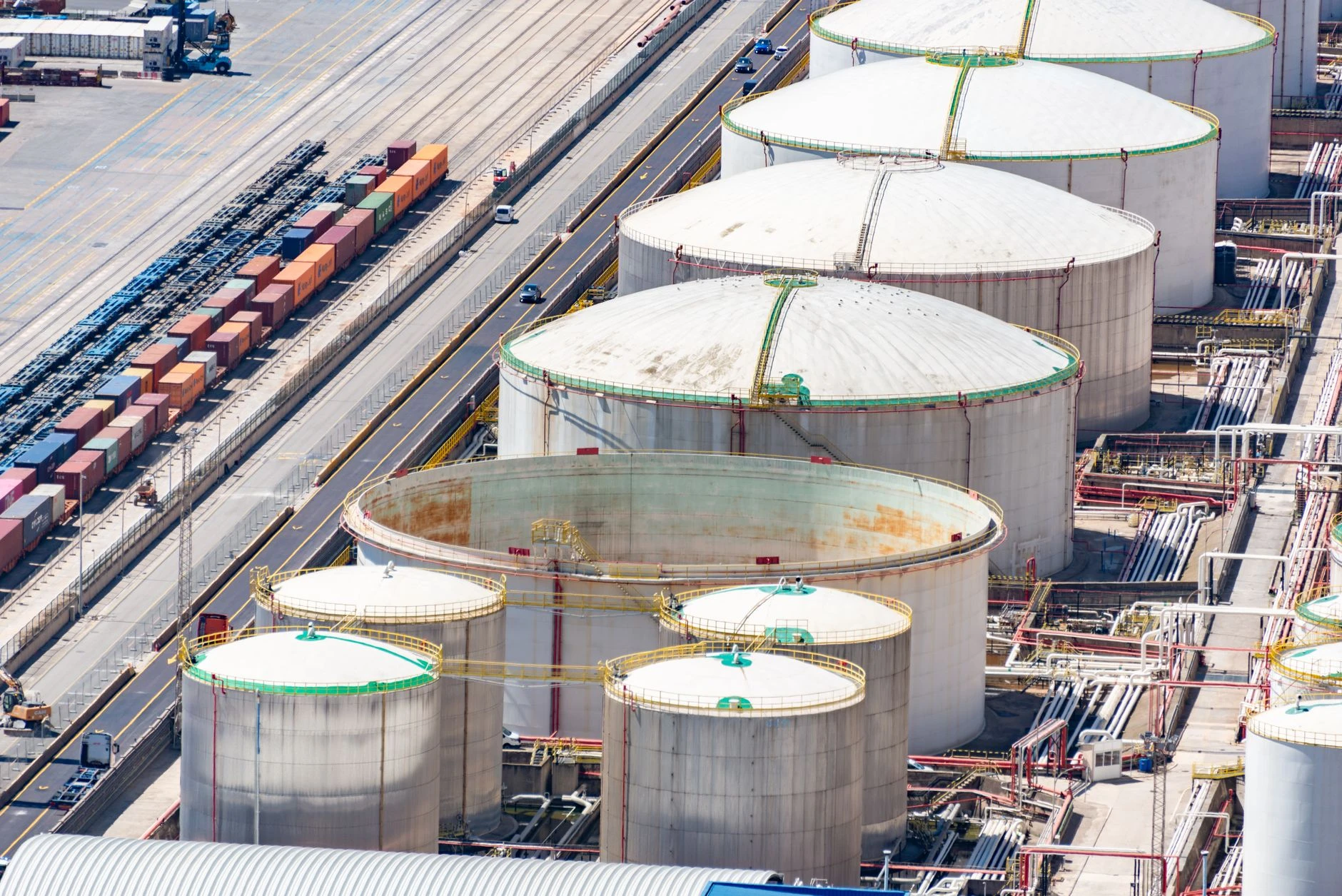
The broader energy hierarchy has changed quickly. Saudi Arabia and Russia remain formidable, but the United States has emerged as a rival with vast reserves, sophisticated logistics and political power. In the span of a few decades, the nation moved from embargo victim to top exporter, and that transformation is now reshaping global energy politics.