Business
U.S. biofuel industry struggles to meet record 2026 diesel targets

The Environmental Protection Agency set a record 8.86 billion Renewable Identification Numbers for biomass-based diesel in 2026, a target more than 60% above 2025 levels that U.S. plants are not producing enough fuel to meet.
The final rule, announced at the White House Great American Agriculture Celebration on March 27, 2026, lifted the 2027 biomass-based diesel requirement to 8.95 billion RINs. After a 70% reallocation of small refinery exemptions granted for 2023 through 2025, the total applicable volumes rose to 9.07 billion RINs for 2026 and 9.20 billion for 2027. The 2026 and 2027 volumes are the highest in the Renewable Fuel Standard’s 20-year history, and the rule removed renewable electricity, or eRINs, as a qualifying fuel.
Agriculture Secretary Brooke L. Rollins said the mandate could lift net farm income by $3 billion to $4 billion and create a $31 billion value for American corn and soybean oil in 2026. The EPA estimated the rule could generate more than $10 billion for rural economies and support over 100,000 jobs.
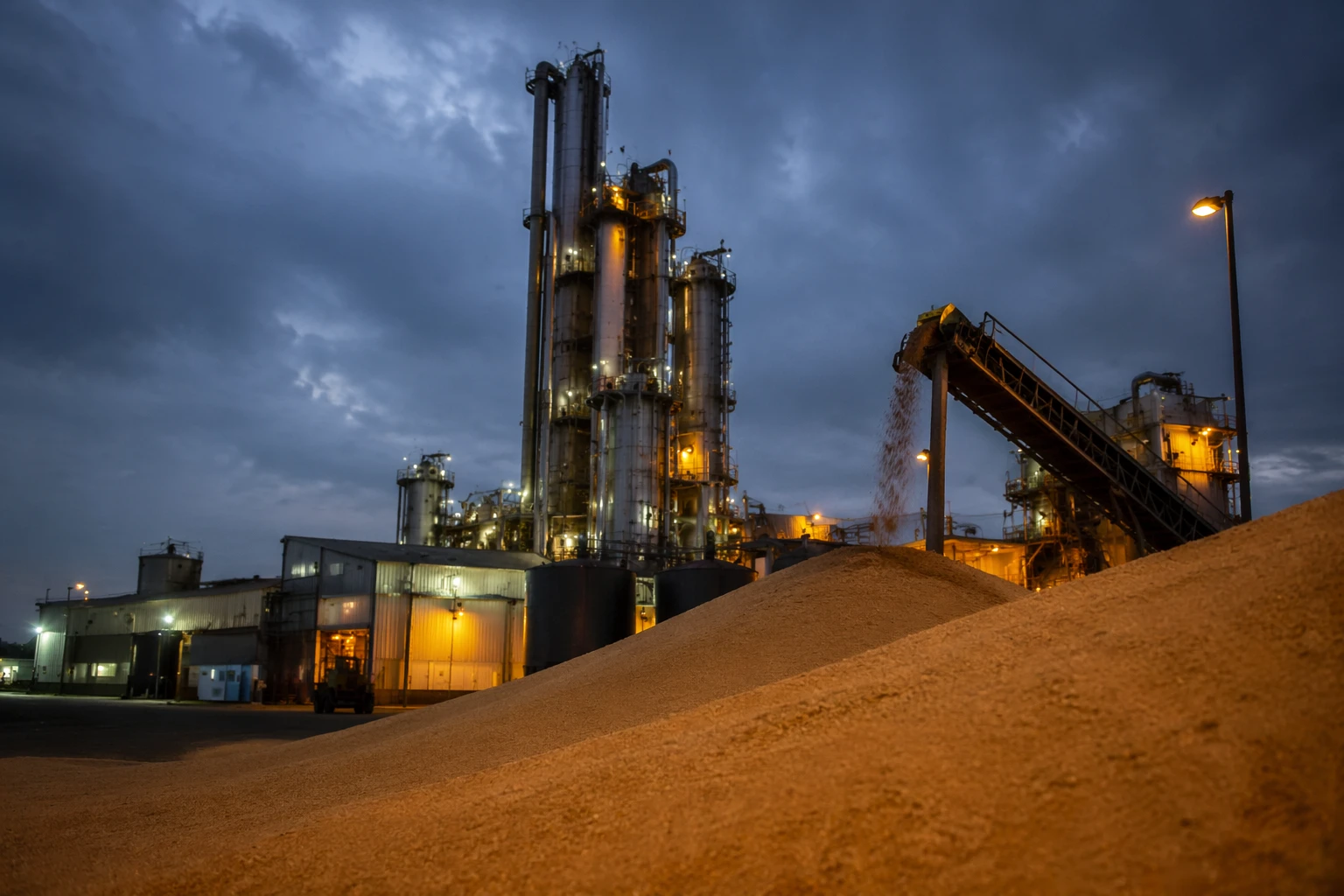
In May, biodiesel plants were running at just under 77% of capacity and renewable diesel facilities at 78%, well below the roughly 90% operating rate built into the mandate. May output totaled 736 million RINs, short of the roughly 915 million needed to stay on pace.
A June 10 analysis by Scott Irwin of the University of Illinois and Todd Hubbs of Oklahoma State University found the industry lagged the required pace by 1.41 billion RINs in the first four months of the year. The analysis projected net D4 RIN generation would need to rise from 7.10 billion in 2025 to 10.99 billion in 2026 and 11.89 billion in 2027, levels with no precedent in the U.S. biomass-based diesel industry.
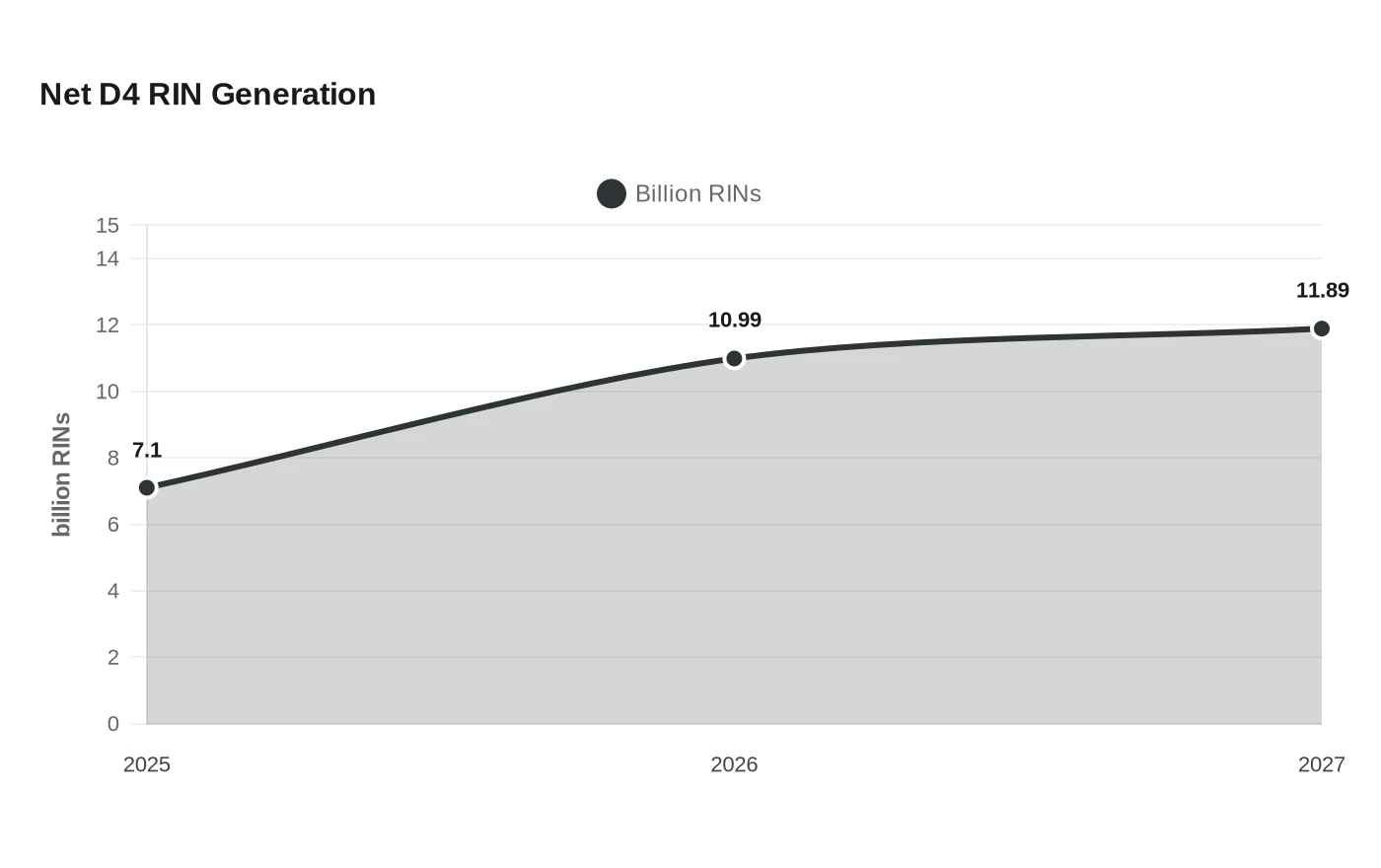
If production stays weak, renewable fuel credit prices could rise and the Trump administration could be pushed toward a rarely used legal provision to lower the quotas it has already set. Some gallons are also being pulled into export contracts, where prices are better because of supply disruptions tied to the Iran war, leaving less fuel available for U.S. compliance.
Sources
- [1]money.usnews.com
- [2]epa.gov
- [3]farmdocdaily.illinois.edu
- [4]eia.gov