Science
US cancels automatic protections for threatened animals and plants
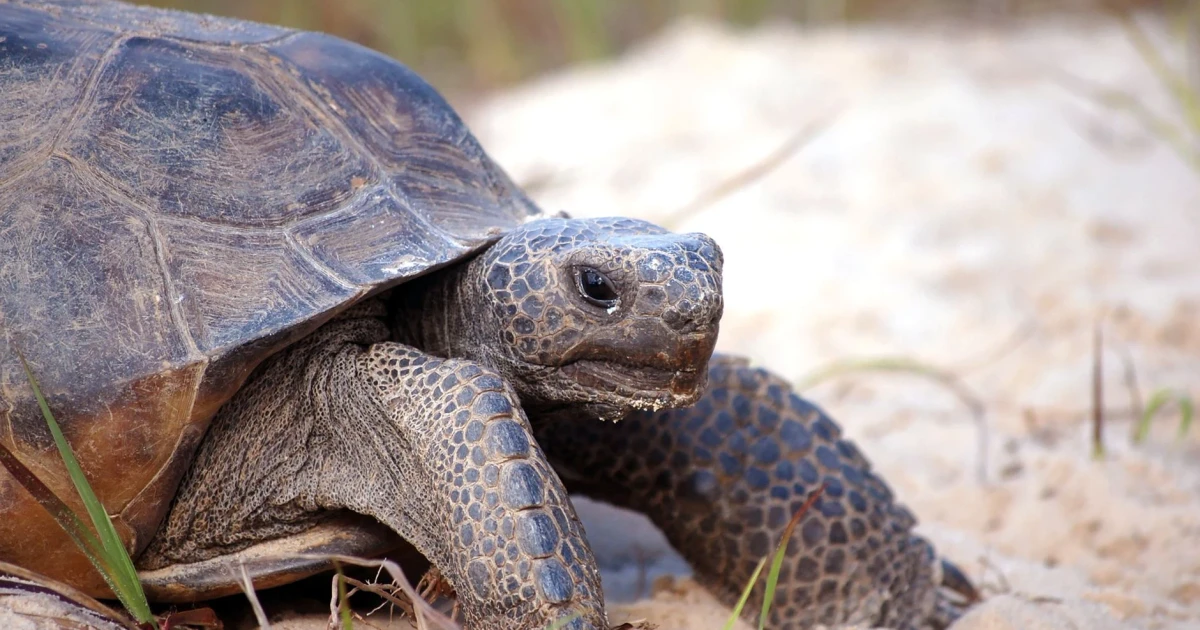
The Interior Department canceled a rule that had automatically protected some newly listed threatened plants and animals, ending a long-standing safeguard under the Endangered Species Act’s blanket 4(d) rule. The change came in a set of regulatory revisions announced by the Interior Department and the U.S. Fish and Wildlife Service on Nov. 21, 2025. It affects the window between a species being listed as threatened and the government putting full protections in place.
Under the new approach, threatened species will no longer receive the default protections that had applied while regulators finished species-specific rules. The U.S. Fish and Wildlife Service and NOAA Fisheries said they were proposing changes to the regulations that implement Sections 4 and 7 of the Endangered Species Act, and that the revisions would be split into four separate rules. That matters because the blanket 4(d) rule had served as an immediate legal shield for threatened species, particularly when a population was already small or its habitat was shrinking fast.
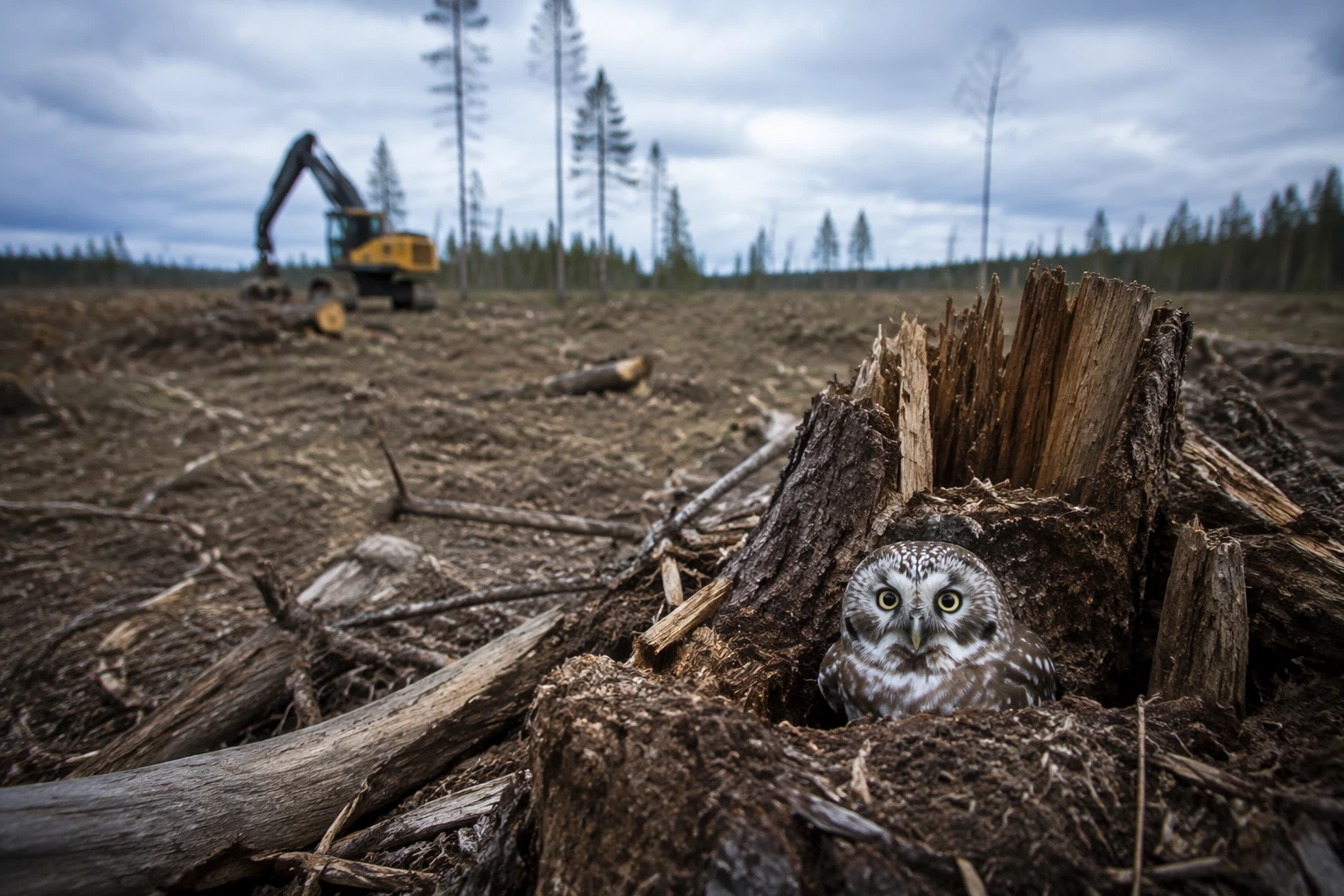
Interior framed the package in a press release titled, “Administration Revises Endangered Species Act Regulations to Strengthen Certainty, Reduce Burdens and Uphold the Law.” In practice, the department said the revisions were meant to provide more certainty and reduce burdens for landowners, businesses and agencies that operate in or near habitat used by listed species. Critics say that the same shift creates a dangerous gap, because habitat loss, poaching, invasive species and climate stress can keep pushing vulnerable species toward collapse while regulators are still writing the next layer of protections.
Conservation groups moved quickly against the proposal. The Center for Biological Diversity said on Nov. 19, 2025, that the Trump administration was “moving to dismantle” the Endangered Species Act. The Endangered Species Coalition said the same day that the administration was proposing to “fundamentally weaken” the law. Humane World Action Fund later said on July 17, 2026, that the new changes remove the ESA’s blanket 4(d) rule and end automatic protections for future threatened species.

The stakes are high because the Endangered Species Act, passed in 1973, has been credited by WWF and the Center for Biological Diversity with helping about 99% of listed species avoid extinction. That record is why the automatic protections have long been viewed as a first line of defense rather than a bureaucratic formality. Without that immediate shield, a species can be listed as threatened and still face development pressure, land-use conflicts and habitat destruction before regulators finish the work of tailoring protections.

The change now pushes more of the burden onto case-by-case rulemaking, where delays can decide whether protection arrives in time. For endangered plants and animals already living on the edge, the difference between immediate protection and postponed protection can be the difference between recovery and irreversible loss.
Sources
- [1]apnews.com
- [2]doi.gov
- [3]fws.gov
- [4]biologicaldiversity.org
- [5]endangered.org
- [6]humaneaction.org
- [7]worldwildlife.org