Health
US cancer doctors battle shortage of essential chemotherapy drugs
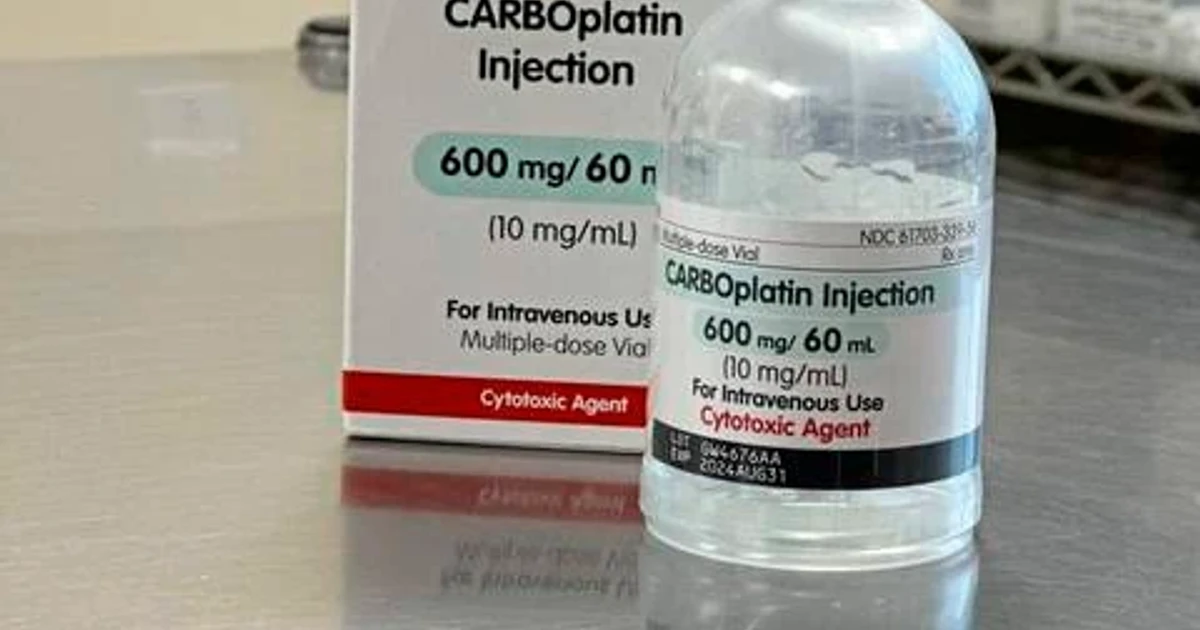
Multiple manufacturers’ carboplatin products were still affected on June 23, with some vial sizes discontinued and others on back order with no estimated release date, leaving cancer doctors to juggle who gets standard treatment and who must be switched to another drug.
The U.S. cancer community has grappled with drug shortages since 2010, and around 15 cancer drugs have been in short supply in recent years, according to the American Society of Clinical Oncology. The 2023 shortage of cisplatin and carboplatin alone threatened care for up to half a million patients, according to ASCO.
According to the American Society of Health-System Pharmacists, there were 223 active drug shortages in the United States as of March 2026, down from a peak of 323 in the first quarter of 2024. One shortage can hit thousands of people at once, and 77% of active shortages began in 2022 or later.

Carboplatin and cisplatin are backbone drugs used across a wide range of cancers, and when they run short, clinicians are forced into triage: delay treatment, conserve the remaining supply, or move patients to substitutes that may be less familiar or less effective in a given setting. ASCO says a “race to the bottom” in generic pricing leaves manufacturers little incentive to keep making low-margin drugs and makes older plants more vulnerable to disruptions.
Shortages can stem from manufacturing and quality problems, delays and discontinuations, according to the Food and Drug Administration. ASHP’s shortage database has recorded repeated problems with carboplatin, including affected manufacturers, discontinued vial sizes and supplies too limited to cover normal ordering.
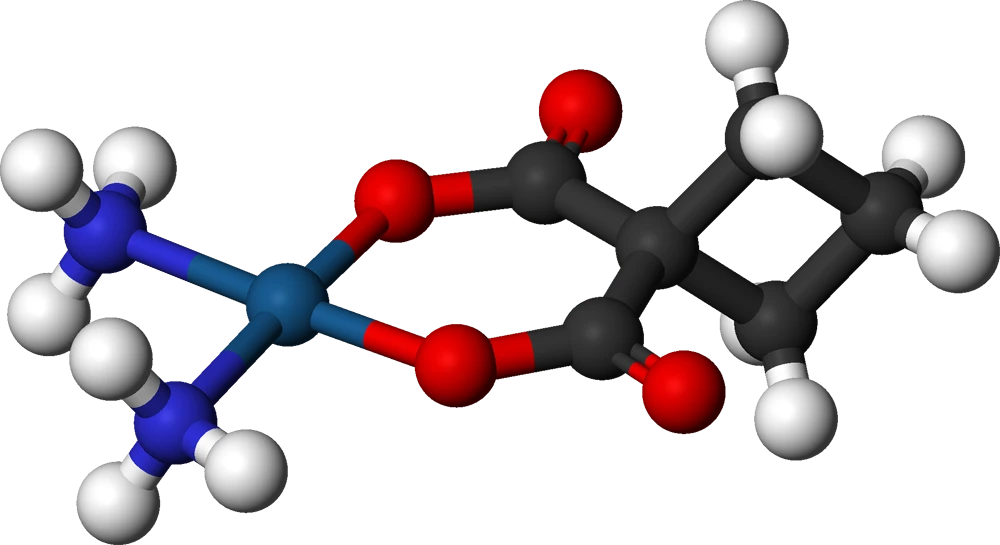
A June 2025 study in the Journal of the National Cancer Institute examined 11,797 adults with advanced solid cancers. The study found that the platinum shortage first announced on February 10, 2023 led to a 2.7% absolute reduction in platinum use overall, and a 15.1% absolute reduction at the June 2023 peak. It found no short-term mortality difference before and during the shortage, and longer-term effects still need study.
Sources
- [1]nytimes.com
- [2]asco.org
- [3]academic.oup.com
- [4]ashp.org
- [5]fda.gov