Business
US Carmakers Face Rising Pressure from Chinese Brands
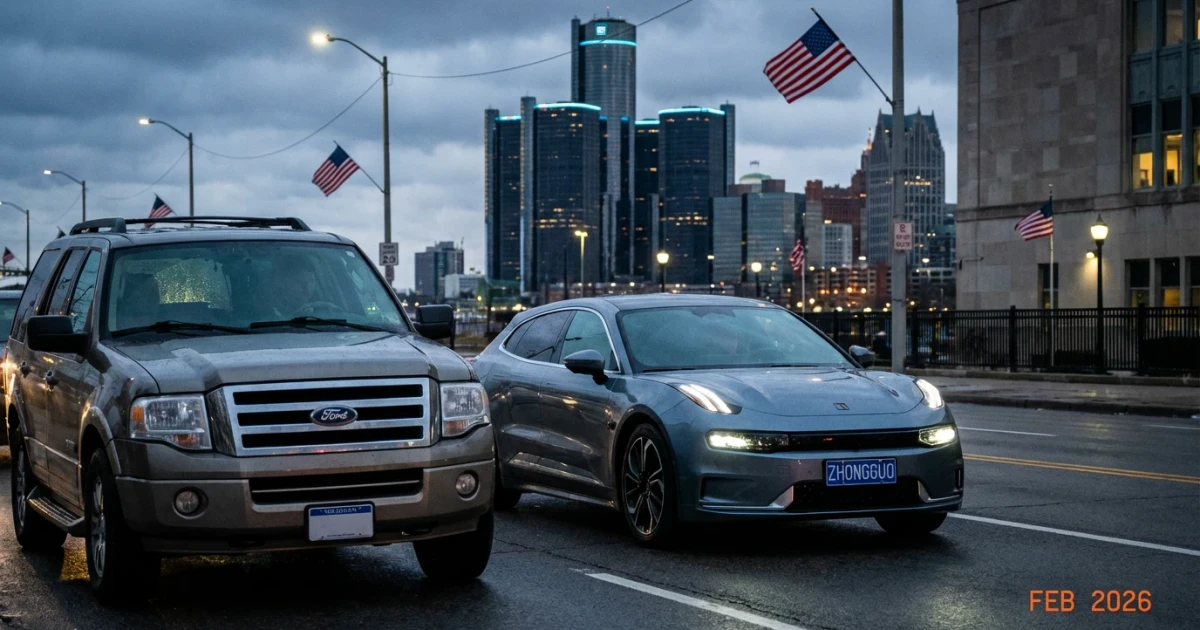
US carmakers are growing increasingly uneasy as Chinese automobile manufacturers prepare to enter—and potentially disrupt—the American market. As reported by the Financial Times, industry leaders like Ford, General Motors, and Stellantis are closely watching the swift global expansion of Chinese brands, which are rapidly improving in both quality and affordability.
Chinese Automakers Target US Market
Chinese carmakers have made significant progress in global vehicle production and are now eyeing the US as a major target for expansion. Brands such as BYD and Geely have already established strong presences in Europe, Latin America, and Southeast Asia, leveraging advanced technology and competitive pricing to attract consumers. Industry observers, including those cited by the Financial Times, warn that their entry into the American market could happen sooner than many expect, with some companies actively exploring distribution partnerships and assembly operations on US soil.
Competitive Threats and Industry Response
US automakers are not just wary of new competition; they see a direct challenge to their market share and pricing power. Chinese vehicles, especially electric cars, are often priced lower than comparable US models, thanks to streamlined supply chains and significant investments in battery technology. According to the Financial Times, executives at Ford and other Detroit companies have raised concerns about the potential for Chinese brands to undercut domestic prices, which could exacerbate existing financial pressures and force established players to accelerate innovation or cut costs further.
- Chinese automakers have become top global producers of electric vehicles.
- US brands such as Ford and GM are closely monitoring the situation and lobbying for policy responses.
- New entrants could intensify competition for both price-conscious and tech-savvy buyers.
Regulatory and Political Considerations
The prospect of Chinese cars entering the US market has also prompted political debate. Some US officials and industry advocates argue for stronger tariffs or new regulations to maintain a level playing field and protect domestic jobs. Others, however, caution against protectionism, noting that American consumers could benefit from broader choices and lower prices. The Financial Times points out that the motor vehicle manufacturing sector remains a crucial contributor to US GDP, and any market disruptions could have ripple effects throughout the economy.
Market Impact and Forward Outlook
US car sales data from sources such as MarkLines and Wards Intelligence show that traditional automakers have struggled with rising vehicle prices and supply chain issues in recent years. The entry of competitively priced Chinese vehicles could shift market dynamics, pushing US companies to lower prices, increase incentives, or accelerate electric vehicle development. Industry analysts predict that such competition could ultimately benefit consumers but put pressure on corporate margins and workforce stability.
Looking Ahead
As Chinese automakers inch closer to a US launch, the landscape of the American car market is set for change. Established brands are bracing for a new era of competition, with innovation, price, and policy all in the spotlight. How the industry and regulators respond will shape the road ahead for automakers and buyers alike.