Business
US chamber hopeful stalled Taiwan tax deal will unlock investment
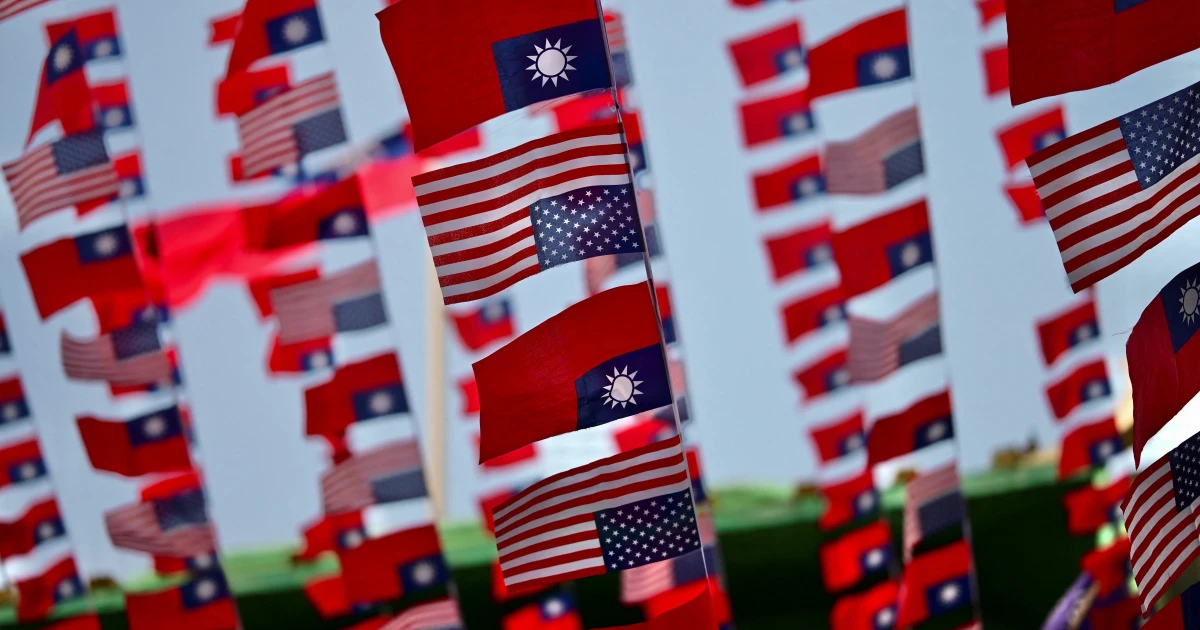
The absence of a U.S.-Taiwan double-tax agreement is no longer a narrow tax issue. For American and Taiwanese companies trying to expand across the Pacific, it is a cost problem, a compliance problem and, increasingly, a test of whether the relationship can support deeper investment in semiconductors, supply chains and advanced manufacturing.
Carl Wegner, who leads the American Chamber of Commerce in Taiwan, said Tuesday he was hopeful progress could finally be made on the long-stalled deal. Wegner said he planned to lead a delegation to Washington this week for what he called “door knock” talks with officials, part of a renewed push to press the case that tax relief would make cross-border investment easier.
The chamber’s argument is straightforward: Taiwan is the only one of the United States’ 10 largest trading partners without a double-tax treaty. That leaves companies exposed to being taxed twice on the same income, a burden that can raise costs, complicate payroll and discourage new projects. For firms operating in both markets, the lack of a treaty can also add uncertainty at exactly the point when capital is being allocated, contracts are being signed and hiring decisions are being made.
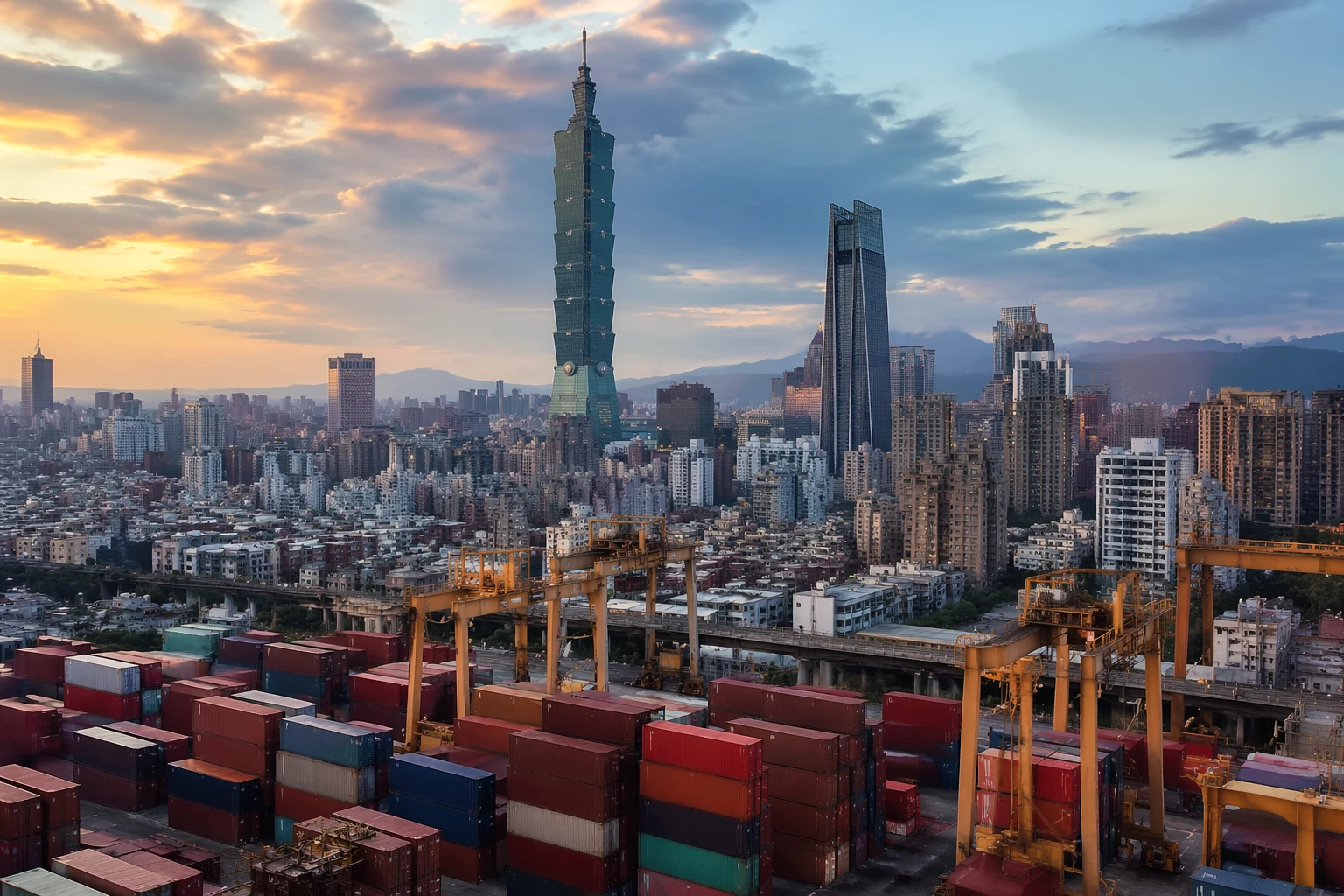
Wegner said the chamber wants to show that removing double taxation would improve opportunities for companies in both countries, especially as Taiwan remains central to semiconductor production and broader supply chains. The timing matters. Washington and Taipei agreed a post-tariffs trade deal earlier this year, giving the relationship fresh momentum after years of incremental progress. Wegner said the tax issue had been “making progress for many years,” but argued that the current political climate may be more favorable than before.
The business stakes are practical. U.S. companies with operations in Taiwan and Taiwanese firms investing in the United States would both face lower compliance costs and less uncertainty if a treaty were in place. That could matter for equipment makers, chip-related suppliers and other firms tied to the island’s industrial base, where even small friction can slow decisions on expansion, staffing and financing.
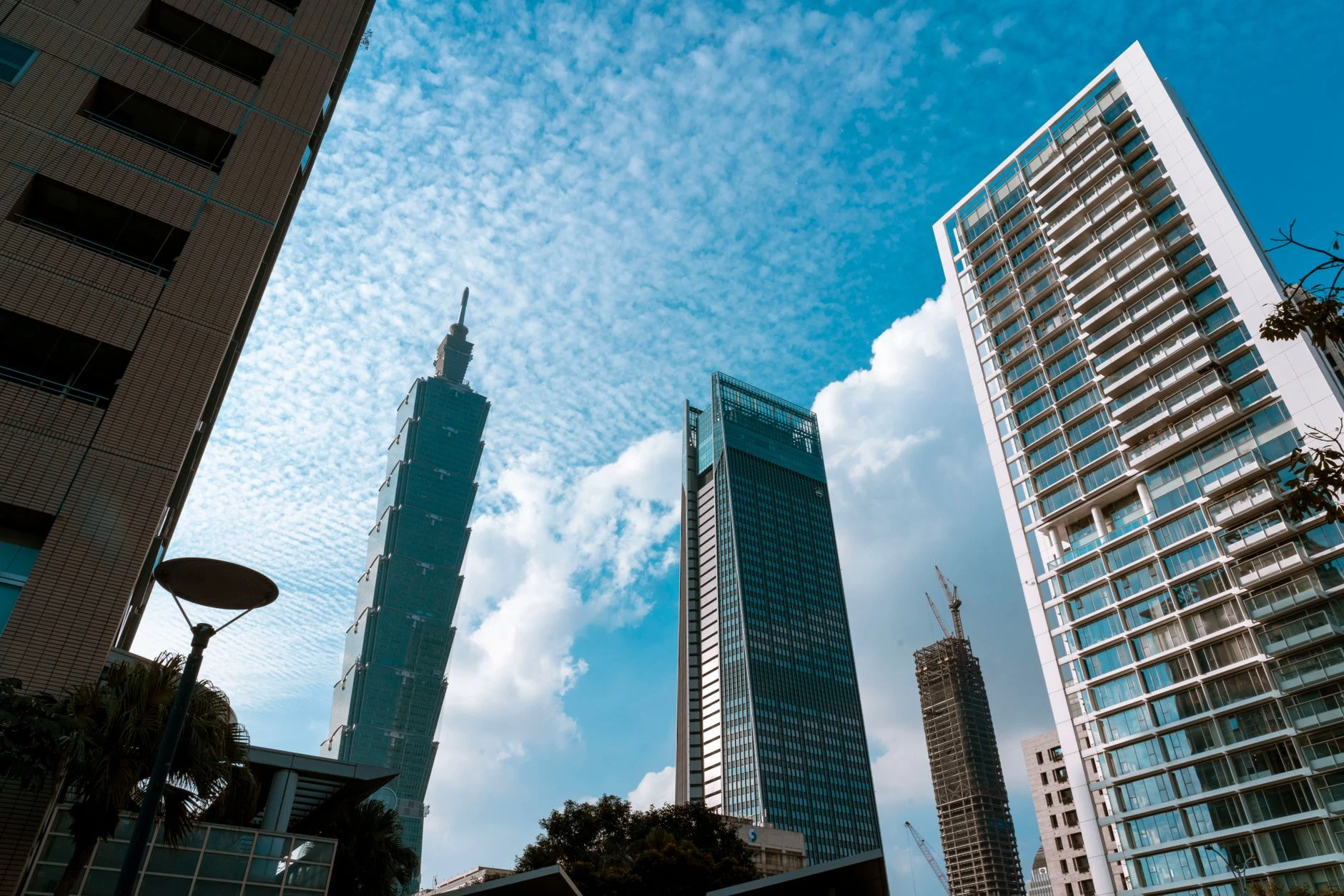
For policymakers, the stalled agreement has become a marker of whether the two sides can move beyond transactional trade ties toward a more durable economic framework. With tariff barriers already eased in the new trade arrangement, tax policy is now one of the clearest remaining obstacles between closer commercial ties and the investment surge both sides say they want.