US News
US Charges Mexican Governor and Sinaloa Cartel Leaders
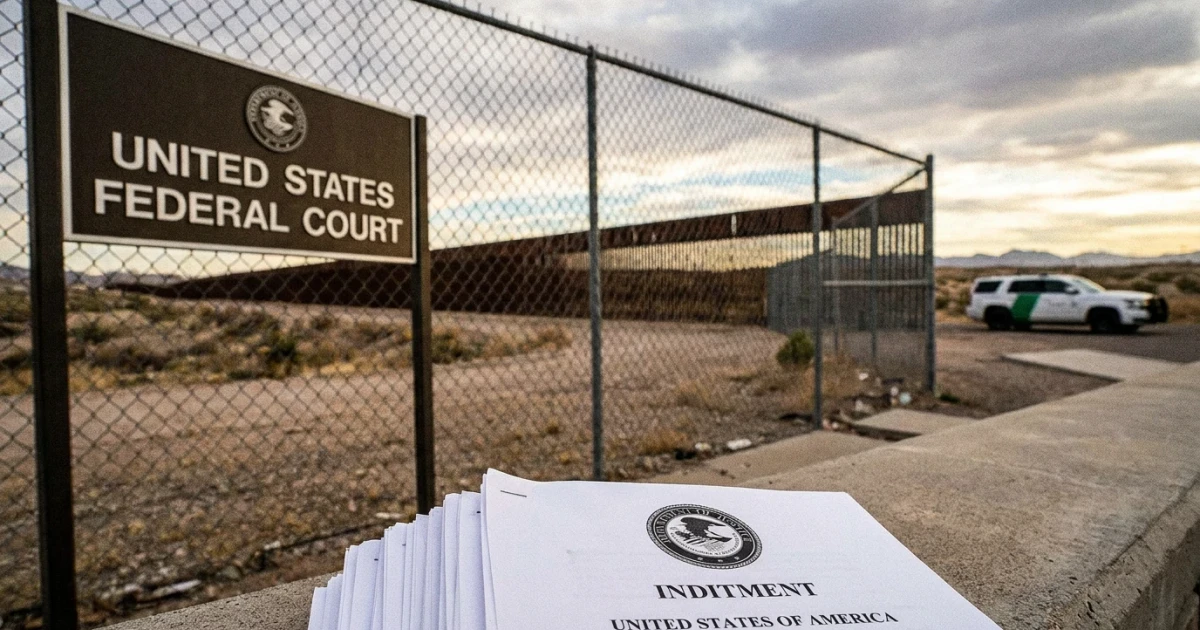
US federal prosecutors have announced charges against the governor of Mexico’s Sinaloa state and nine other alleged cartel leaders, in a sweeping indictment targeting drug trafficking and weapons offenses. The move signals ongoing efforts by US law enforcement to disrupt the operations of the Sinaloa Cartel, one of the most powerful criminal organizations in the hemisphere.
High-Profile Indictments Targeting Cartel Leadership
According to BBC reporting, the US Department of Justice has filed charges against these ten defendants, including the sitting governor of Sinaloa state, alleging their involvement in facilitating drug shipments and providing critical support to cartel operations. The charges encompass both drug trafficking and weapons offenses, reflecting the multifaceted criminal activities attributed to the group.
- The indictment includes drug trafficking and weapons charges against a mix of government officials and cartel leaders.
- The governor and others are accused of aiding the Sinaloa Cartel’s transnational operations, which have long been a focus of US law enforcement efforts.
- This marks one of the rare cases where a high-level Mexican political figure is directly implicated in cartel activity.
For those seeking detailed names, charges, and case background, the official DOJ press release offers comprehensive information on the indictment and its significance: Ten Defendants, Including Mexican State Governor and Sinaloa Cartel Leaders, Charged.
Context: The Sinaloa Cartel’s Influence
The Sinaloa Cartel, notorious for its global reach and sophisticated smuggling networks, has been linked to massive drug flows into the United States. Its ability to evade law enforcement and infiltrate local governance has prompted repeated cross-border operations and policy responses. As highlighted in Brookings Institution analysis, the cartel’s structure enables it to maintain influence over large swaths of territory and facilitate the movement of narcotics, including fentanyl and methamphetamine.
- The cartel operates extensive trafficking routes across the US-Mexico border.
- Its ability to corrupt officials and leverage violence has made it a persistent threat, according to US and Mexican authorities.
- Recent years have seen an uptick in drug seizures at US borders, with Sinaloa-linked shipments often among the largest.
Legal and Policy Implications
The indictment of a sitting governor underscores both the scope of cartel influence and the challenges faced by law enforcement. US officials have repeatedly called for stronger cooperation with Mexican authorities and wider policy reforms to address the root causes of cartel violence and corruption. The case is expected to add pressure on both governments to intensify efforts against criminal organizations.
For more on US policy responses and the broader national security challenge posed by Mexican cartels, see the U.S. Congressional Report on Mexico’s drug cartels and national security.
Looking Ahead
While the charges mark a significant step in cross-border criminal justice cooperation, experts caution that dismantling cartel networks requires sustained pressure, coordinated intelligence, and reforms in law enforcement and governance. The Sinaloa Cartel’s entrenched position in Mexico and its ongoing ability to traffic drugs into the US will keep it a focal point for authorities on both sides of the border.
Readers interested in the latest official DOJ strategies targeting international narcotics trafficking can explore the department’s International Narcotics Trafficking initiative.