Health
US childhood obesity rises to 1 in 5, CDC says
Childhood obesity has become a long-term national health risk with immediate consequences for families, and the latest federal estimates show just how far the problem has moved. The Centers for Disease Control and Prevention said 21.1% of U.S. children and adolescents ages 2 to 19 had obesity in August 2021 through August 2023, up from 5.2% in 1971 to 1974. Another 7.0% met the threshold for severe obesity, a level that raises concern about earlier chronic disease, lower quality of life and a heavier healthcare burden later in life.
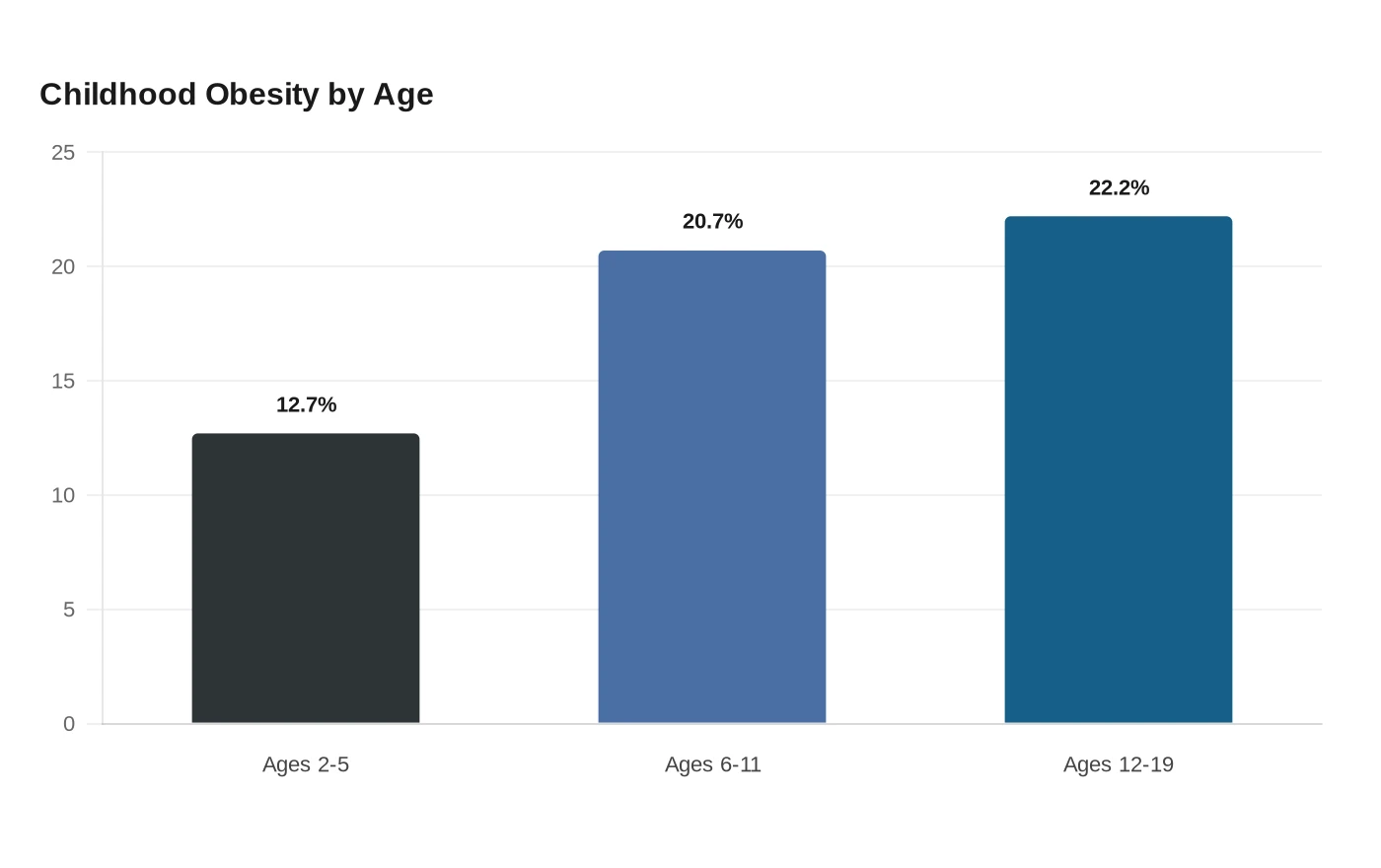
The pattern is worse as children get older. CDC data from 2017 through March 2020 showed obesity prevalence at 12.7% for ages 2 to 5, 20.7% for ages 6 to 11 and 22.2% for ages 12 to 19. In that same period, obesity prevalence was highest among Hispanic children and non-Hispanic Black children, underscoring that the crisis is not distributed evenly and is tied to the conditions children grow up in, including food access, neighborhood safety, activity opportunities and family resources.
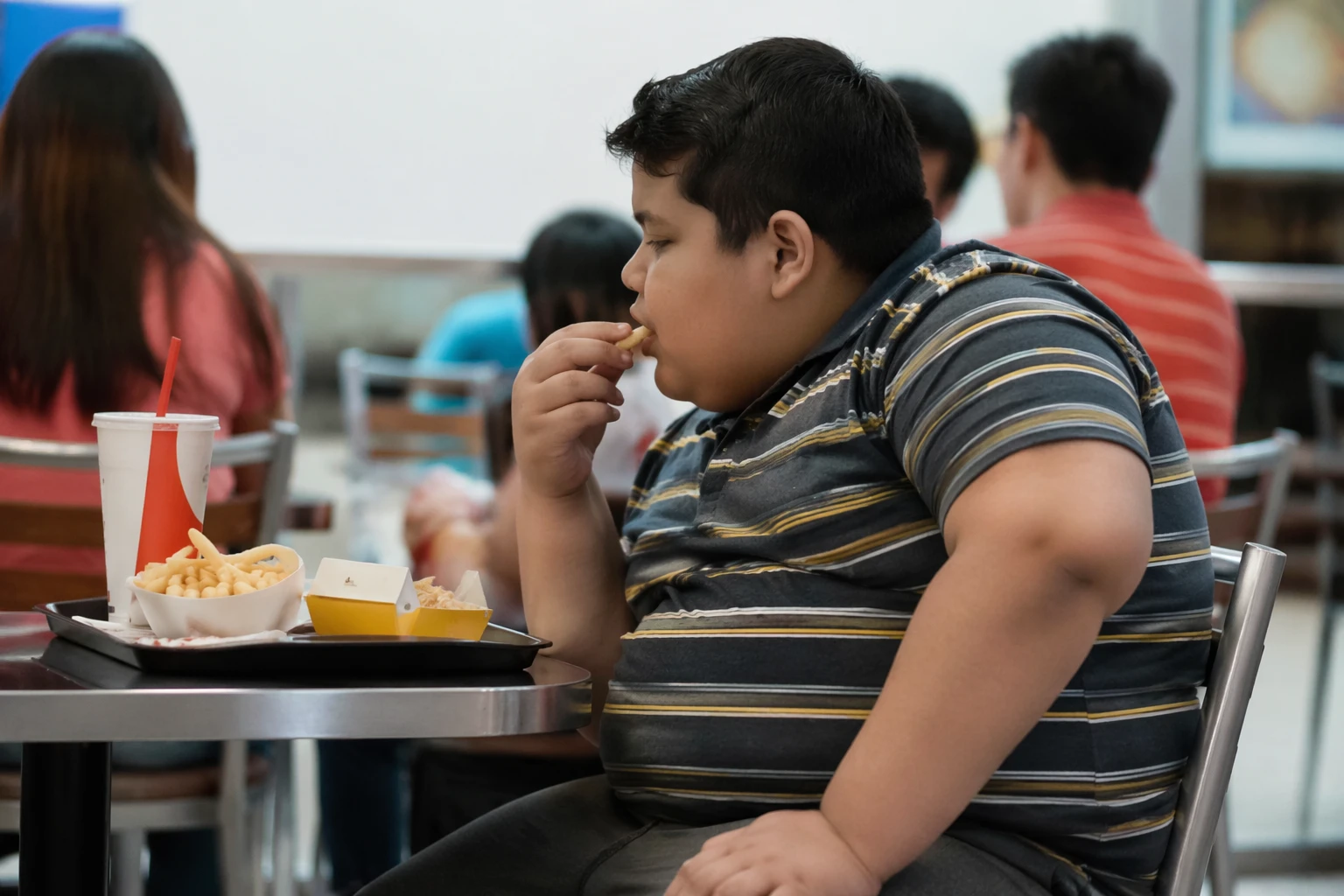
Public health officials and pediatric specialists say the answer cannot be reduced to individual blame. The American Academy of Pediatrics describes obesity as a complex chronic disease with genetic, physiologic, socioeconomic and environmental contributors, and it calls for a family-centered, non-stigmatizing approach. Its guidance recommends screening children ages 2 to 18 for overweight, obesity and severe obesity at least once a year, then referring those who need help to intensive health behavior and lifestyle treatment. The academy says the most effective behavioral care includes at least 26 hours of face-to-face, family-based, multicomponent support over three to 12 months.

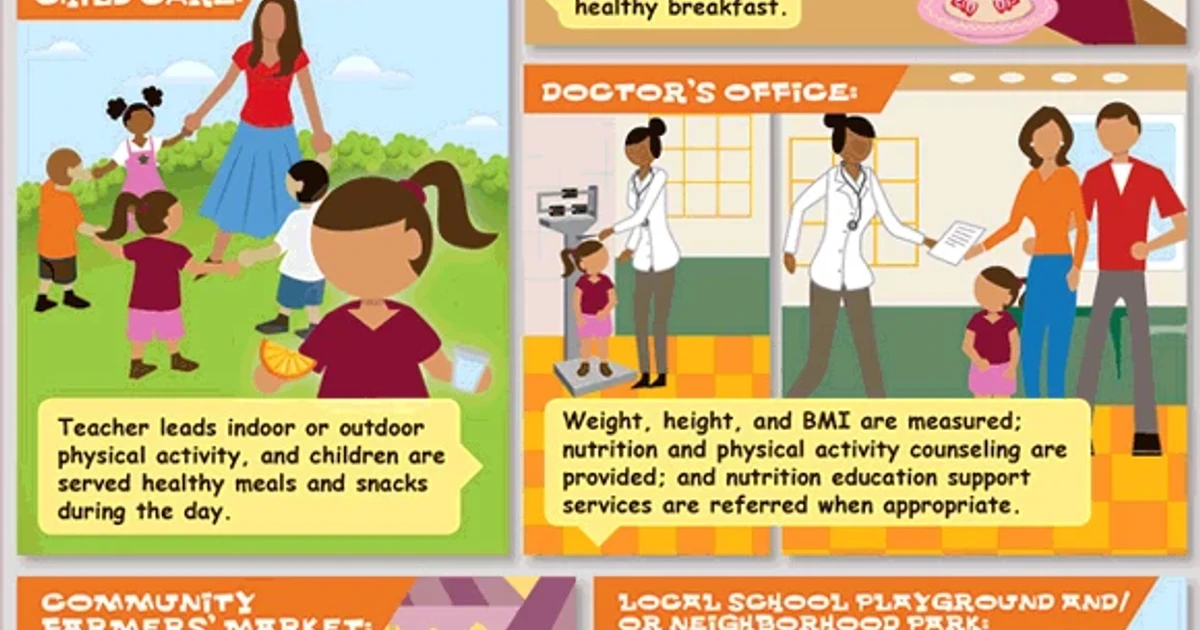
That emphasis on the household reflects a basic reality: children do not choose their food environments, their activity patterns or their access to care on their own. CDC says family healthy weight programs are evidence-based and can be delivered in health care, community or public health settings, while schools remain a priority because they can provide physical activity and nutritious foods. Dr. Jonathan LaPook has highlighted programs that focus on changing the environment and habits of the entire family, not just the child, in an era when powerful GLP-1 weight-loss drugs are changing treatment options but not prevention.

The scale of the challenge is also global. The World Health Organization says more than 390 million children and adolescents ages 5 to 19 were overweight in 2022, including 160 million living with obesity. In the United States alone, the CDC estimated about 14.7 million youths ages 2 to 19 had obesity from 2017 through March 2020, a burden that now demands sustained prevention, earlier screening and care that treats obesity as a chronic disease rather than a matter of willpower.
Sources
- [1]cbsnews.com
- [2]cdc.gov
- [3]publications.aap.org
- [4]who.int
- [5]healthychildren.org