Health
U.S. Cigarette Smoking Rates Drop to Record Low
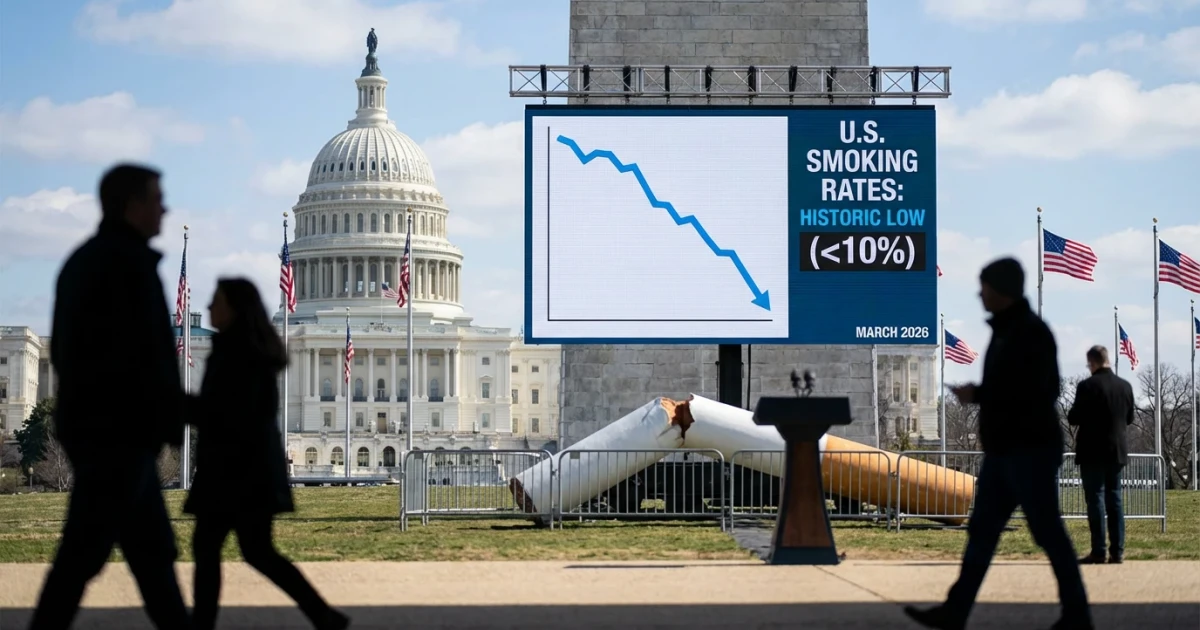
Cigarette smoking in the United States has dropped to an all-time low, with a new study reporting that rates have reached single digits for the first time in history. This milestone reflects decades of public health efforts, shifting cultural attitudes, and increased awareness of smoking’s health risks.
Historic Decline in Smoking Rates
The recent study, highlighted by Fox News, confirms a dramatic decline in smoking among U.S. adults. According to CDC statistics, adult cigarette smoking has steadily dropped over the past decades, but falling below 10% marks a significant public health achievement. The CDC’s official data brief for 2022 reported that 11.5% of adults were current smokers; the latest figures suggest that number has now fallen even further.
- More than 40% of U.S. adults were smokers in the 1960s
- By 2000, rates had dropped to about 23%
- Current data show adult cigarette smoking has dipped below 10%
Interactive charts from Statista illustrate this steady downward trend.
Factors Driving the Decline
Public health experts point to several key factors behind the sustained reduction in smoking rates:
- Stringent tobacco control policies and regulations
- Comprehensive public health campaigns targeting all age groups
- Widespread smoking bans in workplaces and public spaces
- Higher tobacco taxes making cigarettes less affordable
- Greater access to smoking cessation resources
The U.S. Surgeon General’s 2020 report on smoking cessation details how these combined strategies have contributed to the ongoing decline, with more Americans motivated and supported to quit smoking than ever before.
Health Impacts and Ongoing Challenges
The reduction in smoking rates has led to substantial improvements in public health, with fewer tobacco-related illnesses and deaths. The CDC estimates that smoking remains the leading cause of preventable disease, disability, and death in the United States, responsible for over 480,000 deaths each year. Lower prevalence means fewer people face these risks, and communities benefit from reduced healthcare burdens.
Despite this progress, disparities remain. State-level data from the Kaiser Family Foundation show variation in smoking rates across different regions, with some states and demographic groups reporting higher rates than the national average. Additionally, the rise of vaping and e-cigarette use, especially among younger populations, introduces new challenges for tobacco control.
Looking Ahead
With adult cigarette smoking reaching historic lows, public health experts emphasize the importance of maintaining momentum. Continued investment in prevention, education, and cessation support is crucial to further reduce tobacco use, address disparities, and monitor emerging trends in alternative nicotine products.
The record-setting decline in smoking highlights what coordinated public health action can achieve. As the U.S. works toward an even healthier future, the nation’s experience offers valuable lessons for combating other preventable health risks.