US News
U.S. cities brace for World Cup crowds with major transit plans
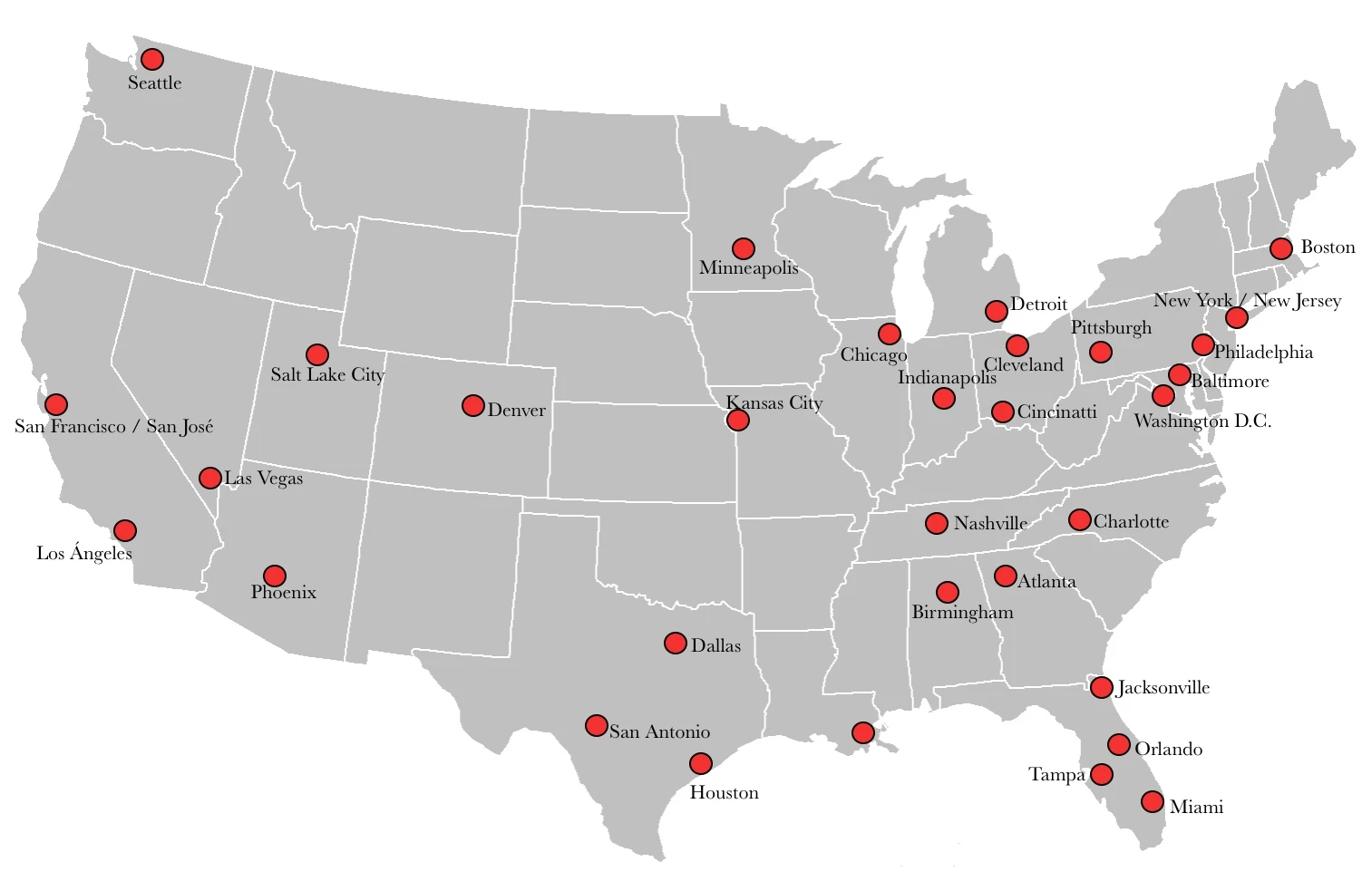
The 2026 World Cup is set to push America’s city transportation systems harder than any recent sporting event, with 104 matches, 48 teams and millions of fans moving through 16 host cities across the United States, Canada and Mexico. Eleven of those host cities are in the United States, and the Federal Transit Administration is treating the tournament as a stress test for whether buses, rail lines and street networks can handle enormous crowds without exposing long-running weaknesses in urban transit.
Congress made $100,250,212 available for the FTA to reimburse public transportation agencies for World Cup-related expenses, and the agency said the money will be divided by formula based on stadium capacity and the number of matches in each host city. The U.S. host metro areas listed in the funding table are Atlanta, Boston, Dallas-Fort Worth-Arlington, Houston, Kansas City, Los Angeles, Miami, New York-New Jersey, Philadelphia, San Francisco Bay Area and Seattle-Tacoma. To help cities prepare, the FTA has rolled out a funding FAQ, a grant-making toolkit, guidance videos and a webinar for transit agencies, private bus operators and host cities, with topics ranging from safety and security to accessibility, charter bus requirements and vehicle availability.
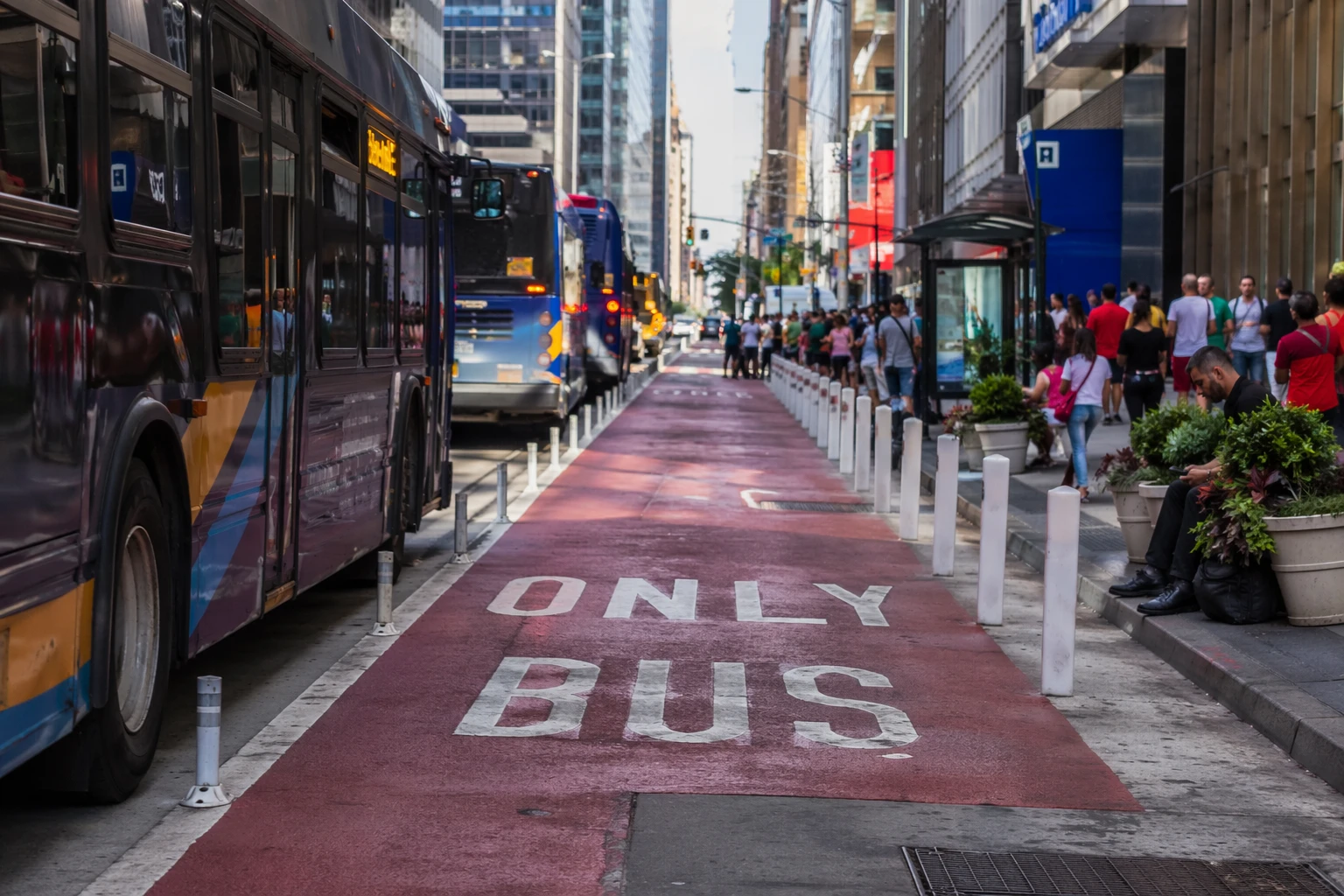
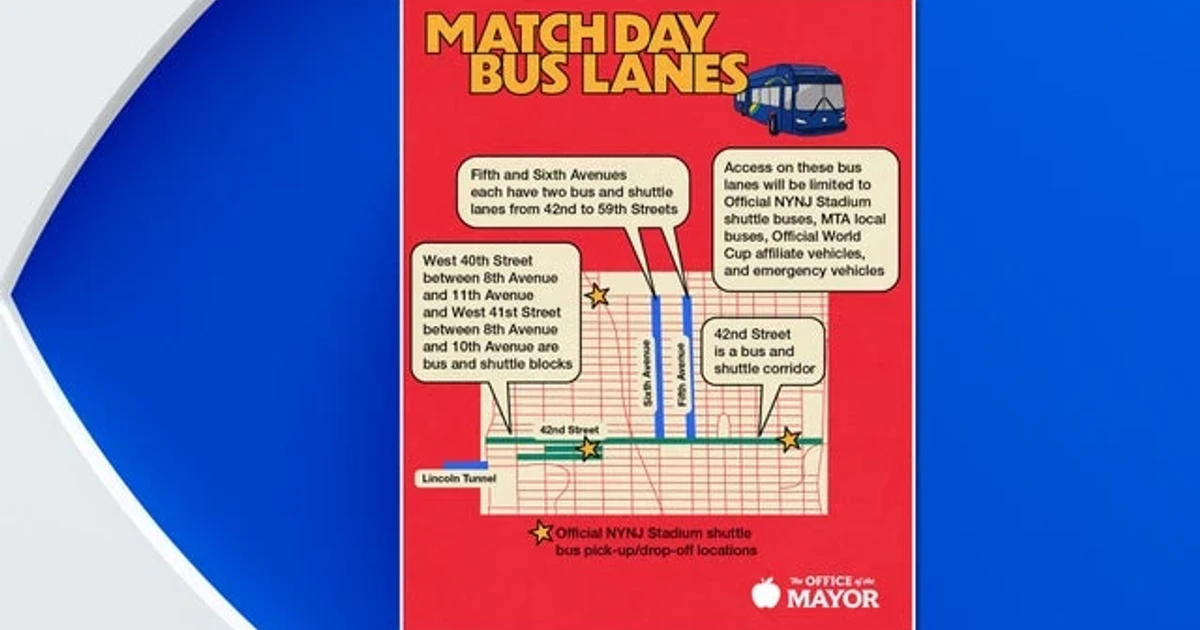
Nowhere is the balancing act clearer than in New York City, where officials have announced a Midtown transportation plan for each of the city’s eight local match days. The plan will temporarily turn 42nd Street into a bus and shuttle corridor and add match-day bus lanes on Fifth and Sixth avenues. City transportation officials are coordinating with the NYNJ Host Committee, the Metropolitan Transportation Authority, NJ TRANSIT and the Port Authority of New York and New Jersey, while the NYC Department of Transportation has declared each 2026 World Cup match day a Gridlock Alert Day and is urging fans to take public transit, bike or walk instead of driving into Midtown.
The broader challenge is familiar: many U.S. transit systems are still coping with maintenance backlogs and post-pandemic ridership changes, even as federal officials say the World Cup and the 2028 Los Angeles Olympics will put American public transportation “on the world stage.” In cities with dense rail and bus networks, the tournament can lean on existing infrastructure and targeted street changes; elsewhere, the pressure will fall more heavily on temporary fixes, charter buses and match-day traffic control. Whether those upgrades leave behind lasting improvements will matter long after the final whistle.
Sources
- [1]cbsnews.com
- [2]fifa.com
- [3]transit.dot.gov
- [4]nyc.gov