US News
US citizen prosecuted over duress password used at Atlanta airport

Federal prosecutors accused Atlanta resident Sam Tunick of using a duress password that wiped his phone during a search at Hartsfield-Jackson Atlanta International Airport. The alleged incident happened on Jan. 24, 2025, after federal agents detained Tunick and questioned him about child exploitation images.
Tunick’s lawyers later filed a motion arguing that US Customs and Border Protection unlawfully seized the device during secondary inspection and never obtained a warrant. The government case centers on Tunick’s alleged use of a built-in feature meant to erase data under coercion, raising a narrower question than a routine phone search: whether using security software at the border can itself become the basis for a federal prosecution.
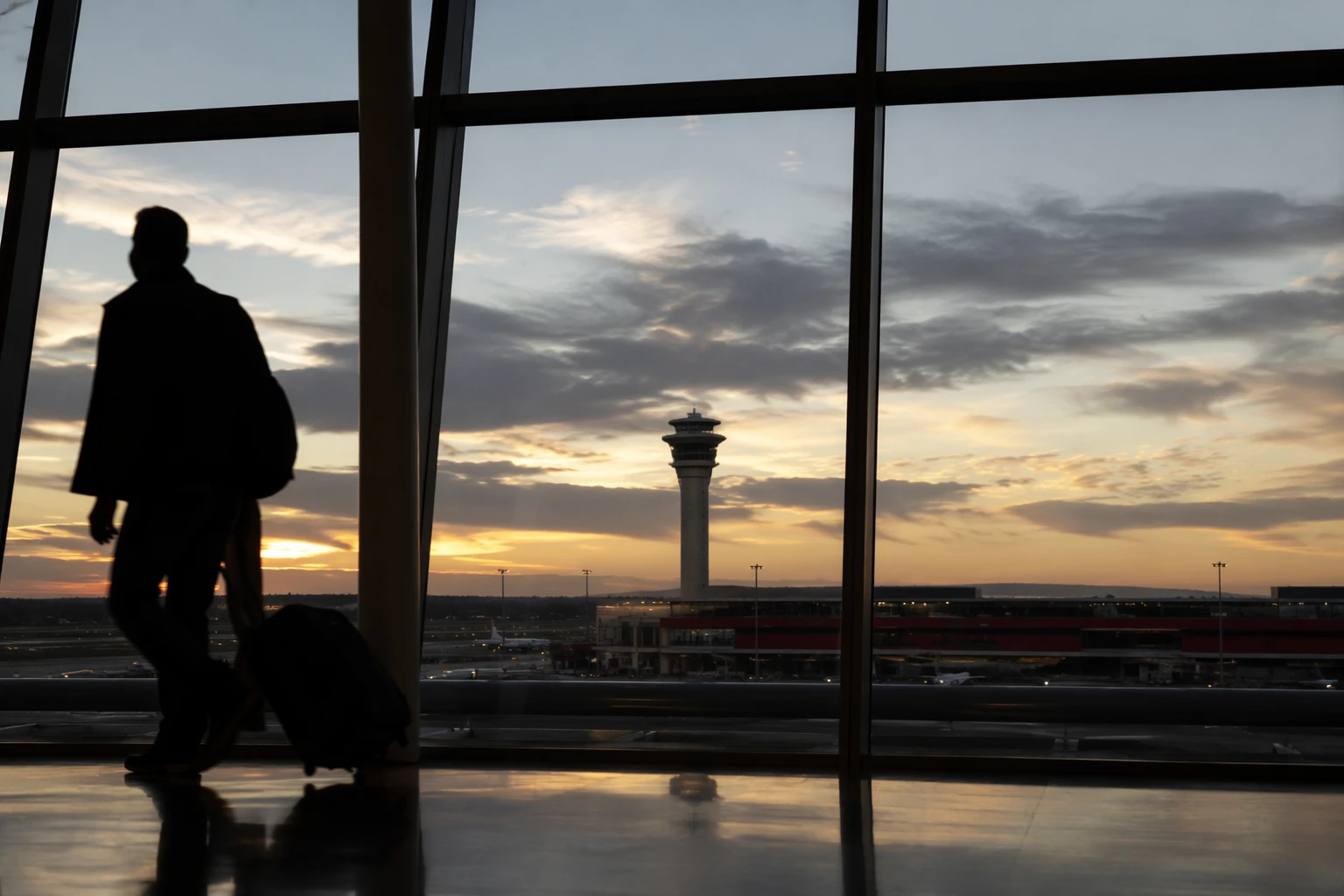
The matter has drawn unusual attention because it appears to be a rare, possibly first-of-its-kind federal case in the United States centered on a traveler allegedly triggering a phone’s duress function during a border search. That makes it a direct test of how far agents can go when they demand access to a citizen’s digital life at a port of entry, where the rules have long been looser than they are elsewhere in the country.
CBP says it has authority to search electronic devices at ports of entry, including airports. Civil liberties groups have challenged how far that power reaches. The American Civil Liberties Union has said border-device search law is complicated, and the Electronic Frontier Foundation has warned that searches of phones and laptops can expose highly sensitive personal data, including material travelers may never expect to hand over at an airport checkpoint.
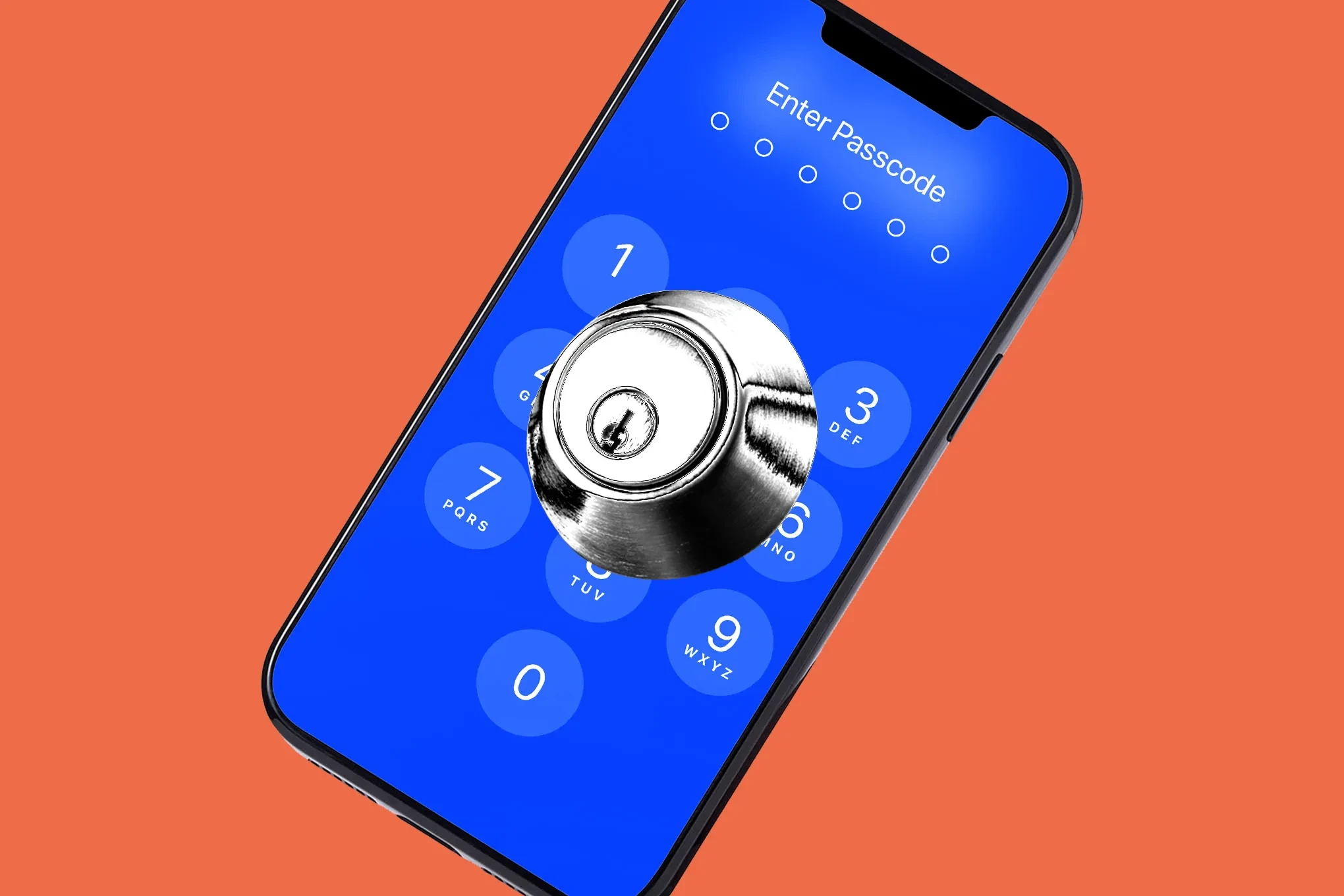
The ACLU updated its border-device guidance on March 21, 2025, and the ACLU of Maine updated its electronic-device border-search guidance on Oct. 22, 2025. In a September 11, 2019 issue brief for the American Constitution Society, EFF senior staff attorney Sophia Cope laid out the risks of storing large amounts of personal and professional information on a phone while crossing the US border and noted the government’s broad claim of warrantless search authority.

The case now sits at the intersection of border security and digital privacy: whether a citizen can be punished for using a protection designed to resist coercion, and whether border agents can compel access to a phone without crossing a constitutional line.
Sources
- [1]theverge.com
- [2]aclu.org
- [3]aclumaine.org
- [4]acslaw.org
- [5]humanrightsfirst.org
- [6]cbp.gov
- [7]techcrunch.com
- [8]boingboing.net
- [9]scworld.com
- [10]404media.co
- [11]privacyguides.org