US News
U.S. Colleges Face Financial Strain as International Enrollment Drops
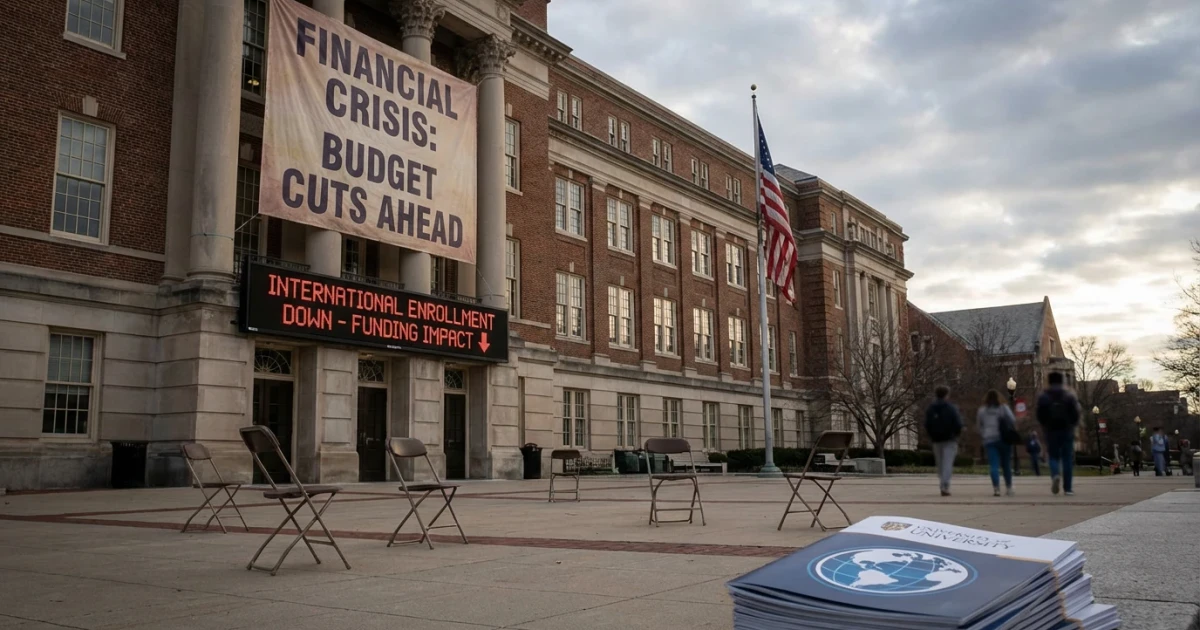
U.S. colleges and universities are confronting mounting financial and academic pressures as international student enrollment plunges, a trend attributed largely to Trump-era immigration policies and tighter visa restrictions. The downturn is affecting institutions nationwide, with particular strain felt at schools that have long relied on tuition revenue from students abroad.
Sharp Decline in International Enrollment
Recent reports from The New York Times highlight that international student enrollment has dropped significantly at many U.S. colleges since 2017. The decline intensified under the Trump administration, which implemented more restrictive visa policies and increased scrutiny of student applications. As a result, universities like the University of Rhode Island (URI) have seen their international enrollment numbers erode year after year.
- According to Open Doors data, international student enrollment across the U.S. fell sharply beginning in 2017, with particularly steep decreases during the COVID-19 pandemic in 2020.
- Colleges began reporting not only fewer new international students but also significant attrition among those already enrolled.
- The state-by-state financial impact is substantial, with the NAFSA economic impact tool showing billions lost in tuition, fees, and local spending.
Policy Changes and Visa Restrictions
The New York Times and other outlets point to a suite of U.S. government policy changes under the Trump administration as key factors driving the enrollment drop. These include:
- Increased vetting of student visa applications and more frequent visa denials or delays
- Uncertainty around post-graduation work options for international students
- Heightened rhetoric and regulations targeting students from certain countries, notably China
Colleges have reported that these changes have made the U.S. less attractive compared to competitors like Canada, the UK, and Australia, all of which have actively recruited international students during this period.
Financial and Academic Consequences
International students have long been a key part of the financial model for many American colleges, often paying higher tuition rates than domestic students. The sharp decline in their numbers is now forcing some institutions to cut programs, freeze hiring, or tap into reserves. The impact is especially acute at public universities facing stagnant or declining state funding.
- A Migration Policy Institute analysis underscores that international students contributed over $30 billion annually to the U.S. economy before the pandemic.
- Some smaller colleges and regional public universities are at risk of financial instability as a result of these enrollment losses.
- The academic environment is also affected, with fewer international perspectives in classrooms and a decline in research activity in STEM fields that rely on foreign graduate students.
Local Impact: The University of Rhode Island
Ocean State Media reported that the University of Rhode Island (URI) is one institution feeling these pressures directly. URI has seen its international enrollment slide each year since 2017, mirroring the national trend. Administrators cite both the chilling effect of federal policies and growing global competition for students.
Looking Ahead
As policy debates continue and the Biden administration signals a different approach, many in higher education are watching closely to see if the U.S. can reclaim its status as a top destination for international students. Pew Research Center analysis suggests that while there are signs of stabilization, regaining lost ground will require not just new policies but also rebuilding trust and the U.S.'s reputation abroad.
The financial and academic health of hundreds of colleges—and the communities that support them—may depend on their ability to reverse this trend in the coming years.