Business
US companies in Europe say transatlantic ties remain stable

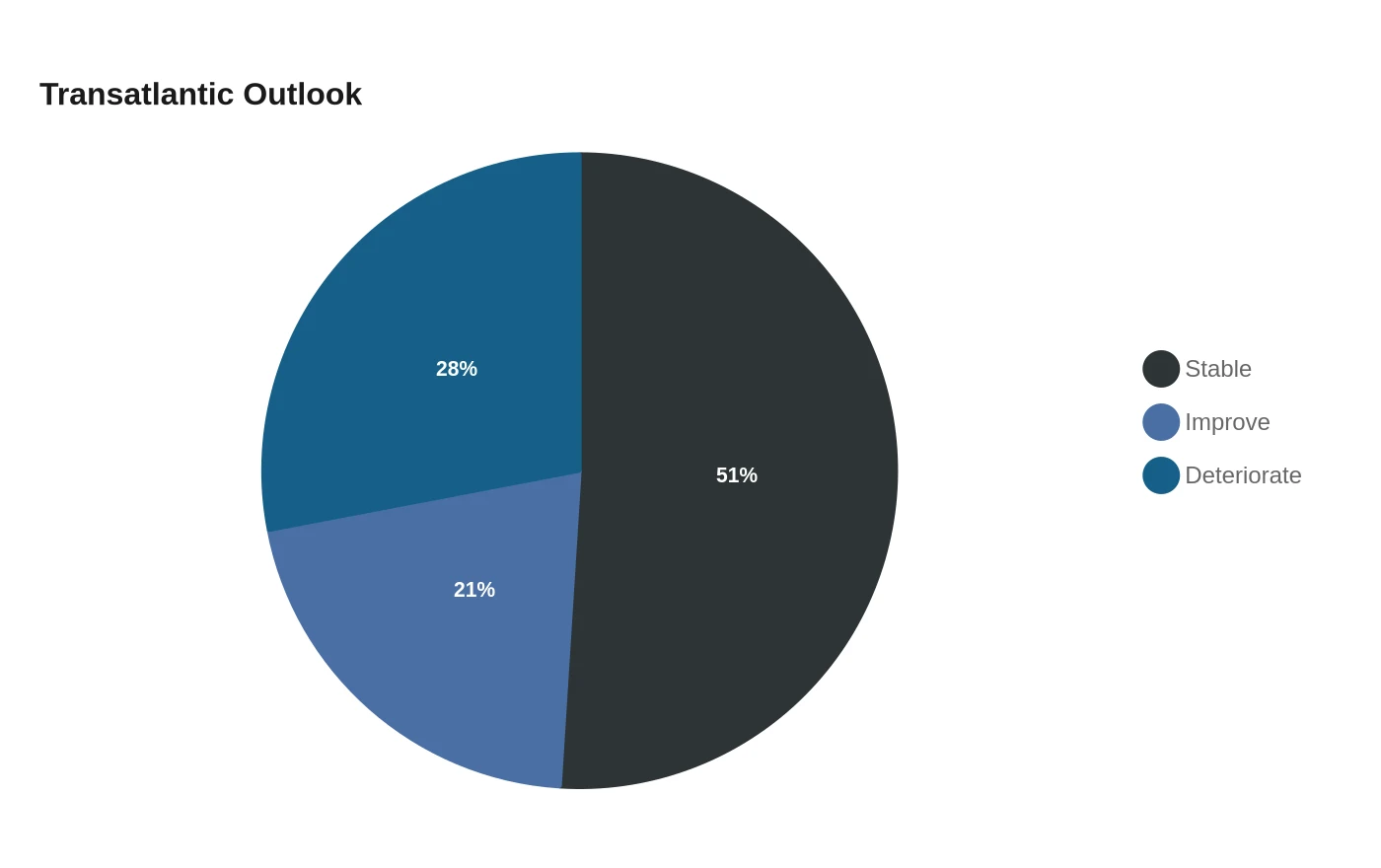
A majority of U.S. companies operating in Europe said transatlantic trade and investment relations would stay stable over the next 12 months, with 51% expecting stability, 21% expecting improvement and 28% expecting deterioration in an American Chamber of Commerce to the European Union survey. The reading came a year after the July 2025 EU-US framework deal and just weeks after the European Parliament approved the accord, clearing the EU side to take effect on July 1. For companies running factories, finance operations and supply chains on both sides of the Atlantic, the message was not exuberance but a willingness to keep planning.
That is a firmer reading than last year, when nearly half of surveyed firms expected relations to worsen. It also suggests the deal delivered relief more than transformation: business leaders are still navigating tariffs, subsidies, industrial policy and regulation, but they no longer appear to be pricing in a sudden break in the relationship.

The tariff structure still matters. The framework locked in a 15% U.S. tariff on most EU imports, a cost that will continue to shape manufacturing and auto-sector decisions even as trade has avoided a broader rupture. EU trade with the U.S. hit a record high on July 3 despite the tariff tension, underscoring that commerce is still moving even as politics stays noisy.

The most obvious unresolved risk is technology, where U.S. lawmakers on July 21 urged Donald Trump to act against EU tech rules and suggested trade probes. Finance, pharmaceuticals and energy face a different problem: they depend on a predictable rulebook for long-term investment, and stable sentiment does not yet prove that companies are committing more capital, adding workers or reshaping supply chains, especially as U.S. election-year politics build. The survey showed a transatlantic business bridge that still functions, but one held together by caution as much as confidence.
Sources
- [1]reuters.com