US News
U.S. Confronts Rising Terror Threats Amid FBI, DOJ Budget Strains
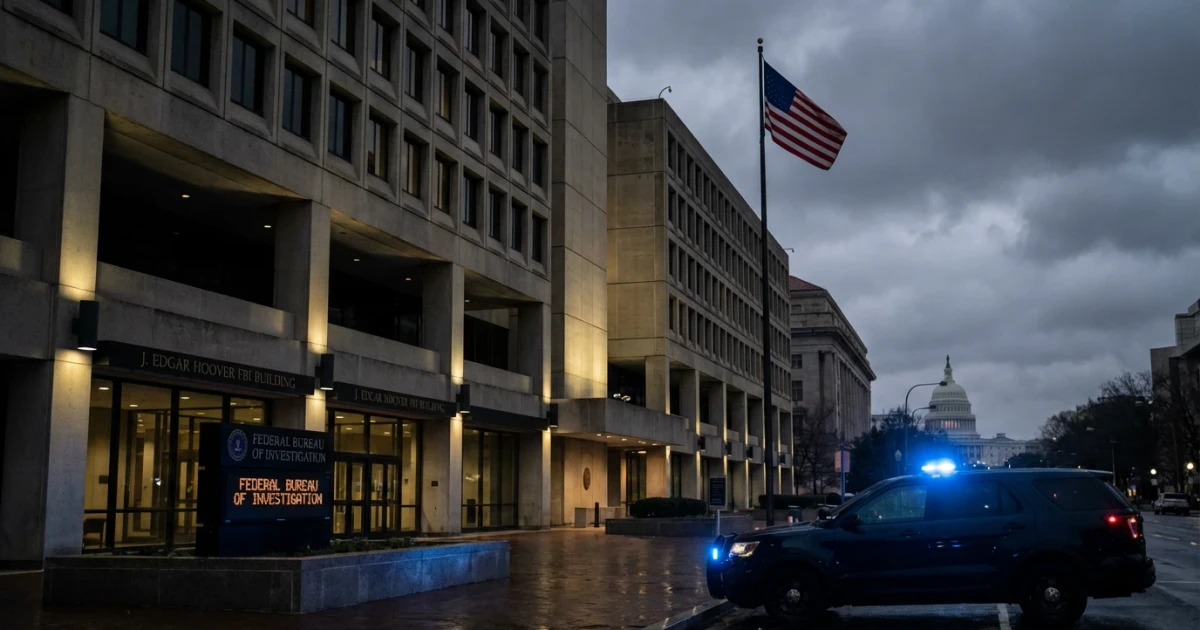
Terrorism threats in the United States have escalated in recent months, as the ongoing conflict with Iran coincides with significant budget pressures at the FBI and Justice Department. National security officials warn that the dual challenges are straining the nation’s counterterrorism capabilities, raising concerns about the ability to respond to evolving threats at home.
Rising Threat Levels Linked to Iran Conflict
Since the outbreak of hostilities between the U.S. and Iran, federal authorities have observed an uptick in both domestic and foreign-inspired plots. The Department of Homeland Security’s National Terrorism Advisory System has highlighted the heightened risk environment, citing the potential for retaliatory attacks by Iran-linked groups and their sympathizers.
- Federal agencies have noted increased chatter and online activity from extremist networks referencing the war in Iran.
- U.S. officials are particularly concerned about so-called “lone actors” who may be motivated by recent developments abroad.
- Recent advisories have urged local law enforcement and the public to remain vigilant against suspicious activities.
Data compiled by the Center for Strategic and International Studies (CSIS) shows a pattern of increased attempted or foiled plots during periods of overseas conflict involving the U.S., a trend national security experts say is repeating itself in the current environment.
Impact of Budget Cuts on Counterterrorism
Compounding these risks are budgetary constraints at the FBI and Justice Department, following recent legislative appropriations. The U.S. Department of Justice budget data indicates reduced funding for counterterrorism operations and intelligence analysis in fiscal year 2026, affecting personnel, technology upgrades, and field operations.
- The FBI’s ability to conduct proactive investigations has been curtailed, with some offices reporting delays in casework and surveillance.
- Justice Department leaders have expressed concern that resource limitations could slow responses to emerging threats.
- Funds for specialized training and interagency coordination have also been reduced, creating gaps in preparedness.
The official text of the H.R.4665 Appropriations Act details the specific reductions to law enforcement and intelligence programs, a move lawmakers say was driven by broader spending cuts but which critics argue undermines national security.
Recent Trends and Case Numbers
Despite these challenges, the U.S. has not experienced a mass-casualty terrorist attack in 2026. However, according to Statista’s annual tracking, the number of attempted and disrupted plots has increased compared to the previous year. The Global Terrorism Database records several incidents in 2026 with suspected links to foreign influence or ideological motivations tied to the Iran war.
- Most recent cases involve small-scale attacks or plots targeting critical infrastructure, religious institutions, and public gatherings.
- Federal authorities attribute the prevention of several attacks to ongoing intelligence-sharing and community reporting.
- Experts caution that as resource pressures mount, the risk of successful attacks could rise.
Balancing Security Needs and Resource Constraints
Current and former officials stress the need for sustained investment in counterterrorism capabilities to match the evolving threat landscape. The FBI’s terrorism investigation program remains central to U.S. homeland security, but authorities warn that budget cuts could hamper the agency’s reach and effectiveness.
Policy analysts, including those at the RAND Corporation, note that reduced funding historically correlates with decreased operational tempo and longer investigative timelines. As the Iran conflict continues, the U.S. faces the challenge of maintaining robust security measures without overextending already thin resources.
Looking Forward
While law enforcement agencies continue to adapt, the coming months are likely to test the resilience of U.S. counterterrorism frameworks. With tensions abroad and at home, the balance between vigilant security and adequate funding remains at the forefront of the national conversation. As officials and lawmakers debate the best path forward, much will depend on whether additional resources can be secured to meet the growing demands of a complex threat environment.