World
US court lets Brazil join lawsuit against Justice Alexandre de Moraes

A U.S. court allowed Brazil’s Office of the Attorney General to intervene in a lawsuit brought by Rumble and Trump Media against Brazilian Supreme Court Justice Alexandre de Moraes, blocking a default ruling that would have treated Moraes as having failed to appoint a legal representative. The decision, issued on June 23, came after Brazil argued that public officials cannot be hauled into foreign courts without the Brazilian government’s consent.
The case has become a direct test of how far speech and platform disputes can travel across borders. At its center are allegations that Moraes ordered the suspension of social media accounts belonging to Brazilians living in the United States, including blogger Allan dos Santos. That gives the litigation a rare mix of U.S. corporate interests, Brazilian constitutional conflict and questions about who gets to police online speech when platforms operate in more than one legal system.
Brazil’s intervention made the sovereignty argument explicit. By stepping in, the Attorney General’s office sought to defend the legitimacy of Brazil’s legal order and prevent a foreign court from moving ahead against one of the country’s top judges without the state’s participation. For Brasília, the case is not just about one justice. It is about whether a Brazilian public official can be singled out in U.S. litigation over conduct tied to decisions made inside Brazil’s judicial system.
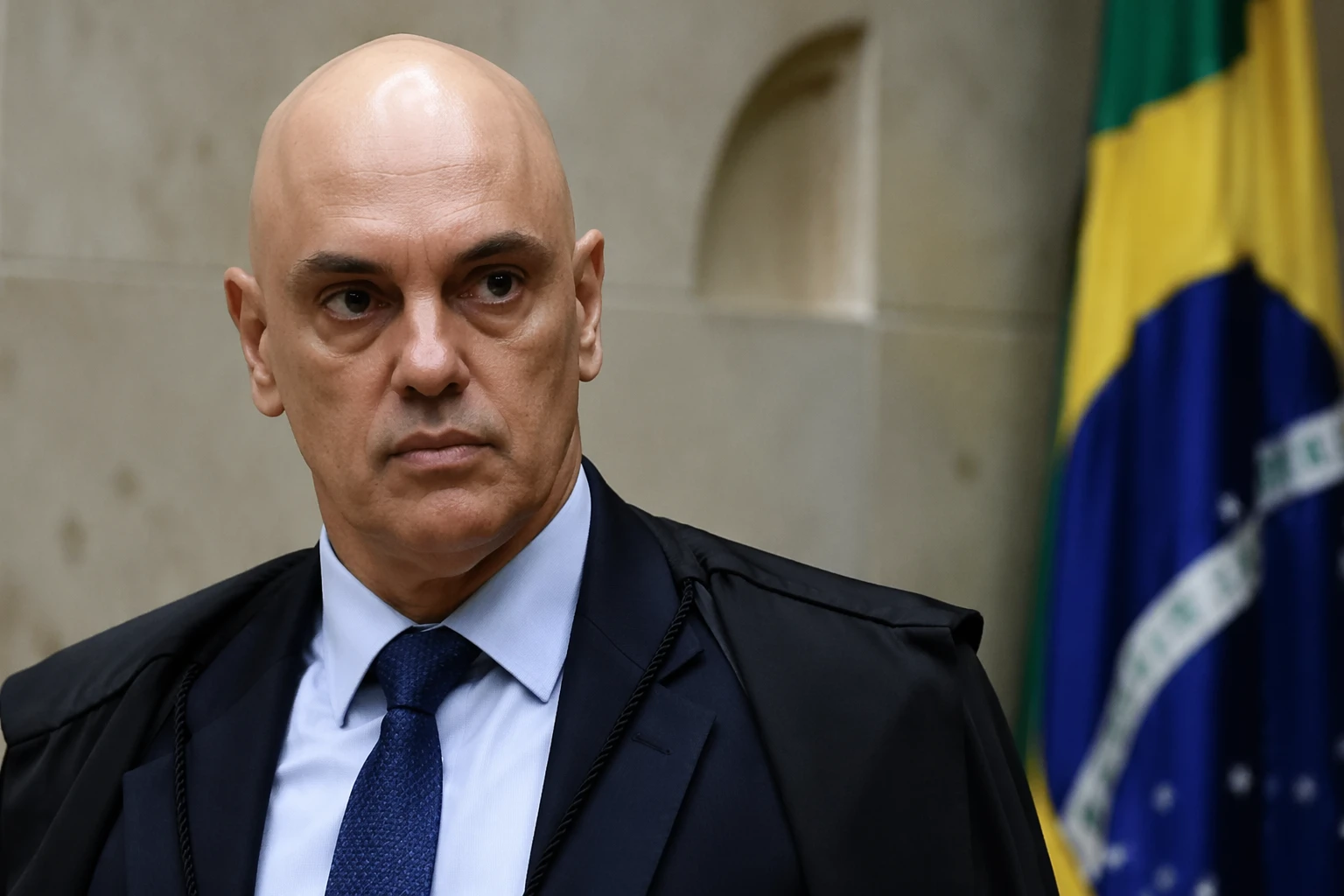
The procedural fight has already exposed how differently the two countries treat service of process and judicial authority. Last month, a court ordered that Moraes be served by email after Brazil’s Supreme Court system blocked a request to serve him through a letter rogatory, the formal channel used to notify someone in another country. That dispute over how notice should be delivered may seem technical, but it has become central to the broader clash over due process, comity and the reach of domestic law.
For Trump Media, the lawsuit ties a U.S.-based company to a Brazilian dispute over content moderation, account suspensions and accusations that speech rights were violated. For American tech companies, the case is a warning that platform fights can now draw in foreign courts, foreign governments and high-level judges at the same time. Brazil’s entry into the case ensures that the confrontation over online speech, judicial power and state sovereignty will continue on both sides of the border.