World
U.S. criticizes China’s brief warning before Pacific missile test
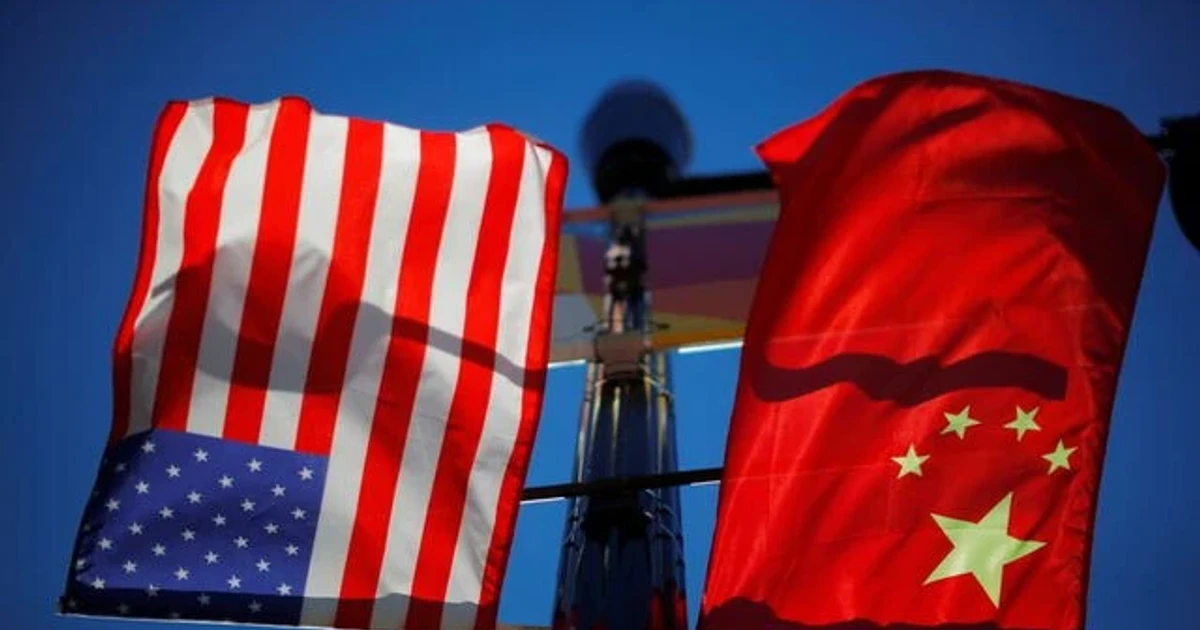
The United States said China gave only a few hours’ notice before a July 6 ballistic missile test from a submarine in the Pacific, and that the warning did not include enough detail for a launch of that scale. Washington said it monitored the unarmed intercontinental-range missile as it landed in the southern Pacific Ocean and urged Beijing to begin meaningful arms-control talks and adopt a regular notification system for intercontinental-range ballistic missile and space launches, consistent with commitments made by the other P5 members.
The launch was unusual enough to unsettle multiple capitals at once. It was a rare Chinese submarine test in the Pacific and, by Washington’s account, the first such launch since 1980. The missile test drew concern from the United States, Japan, Australia, New Zealand and Taiwan, all of which viewed it through the lens of regional security and transparency. Chinese official media said the missile was launched from a People’s Liberation Army Navy submarine at 12:01 p.m. local time on July 6 and carried a dummy warhead toward international waters in the Pacific.
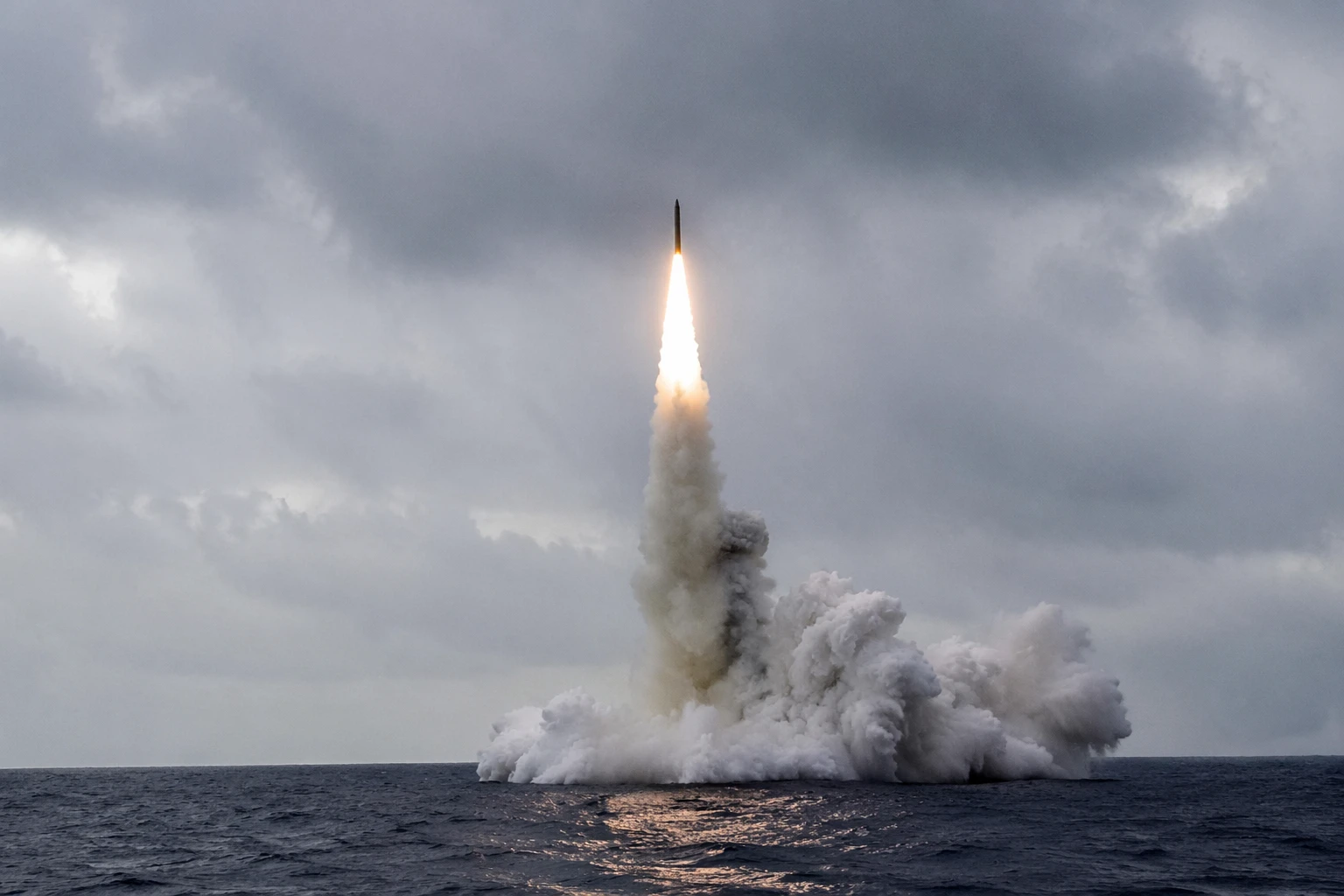
Beijing insisted the exercise was routine. Mao Ning, the Chinese foreign ministry spokesperson, said the launch was conducted safely, in a standardized and professional manner, and should not be over-interpreted. Chinese navy messaging described it as routine annual training and said relevant countries had already been notified in advance. The sharper dispute was not over the existence of the test itself, but over whether a few hours’ notice was enough when the weapon involved was intercontinental-range and launched from a submarine in the Pacific.
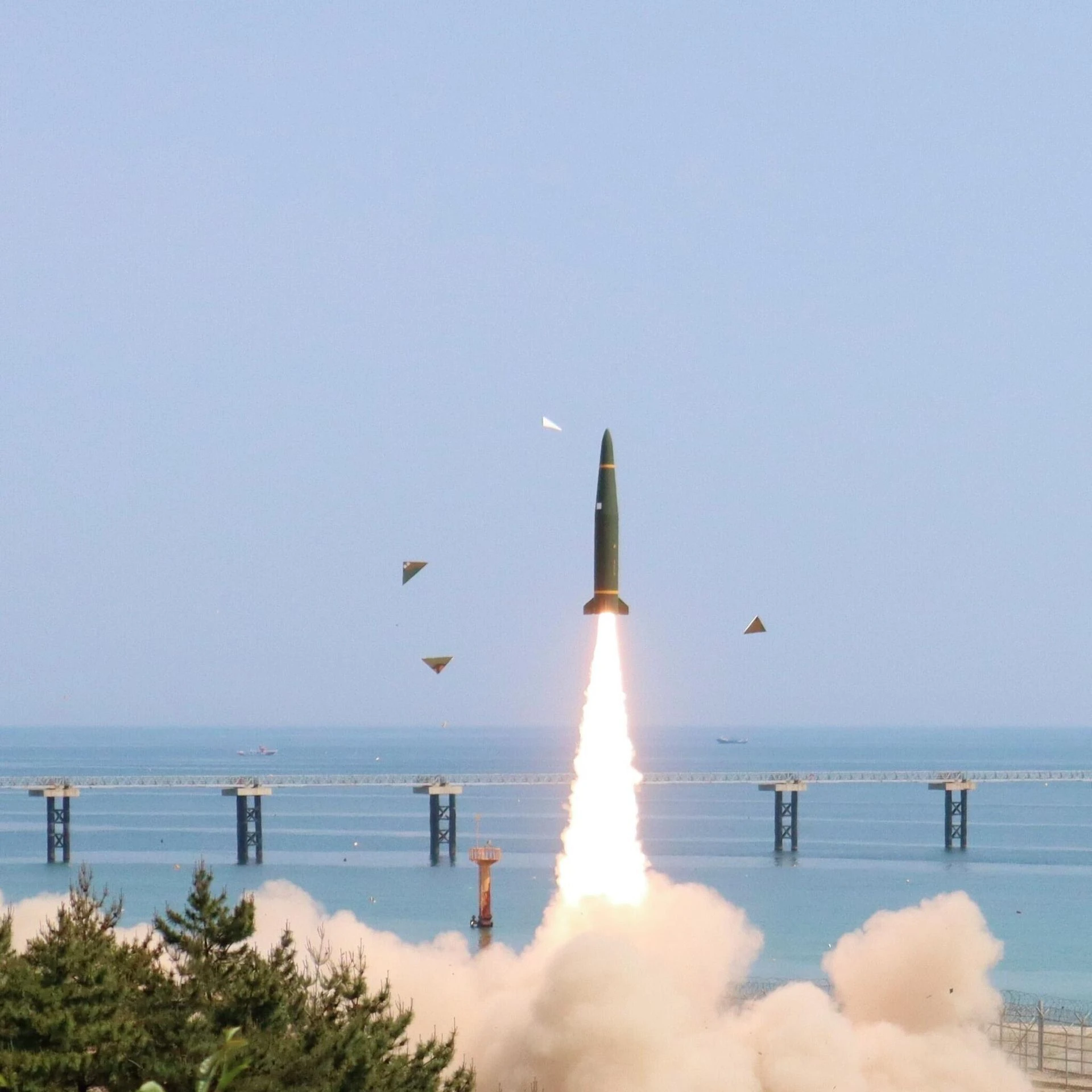
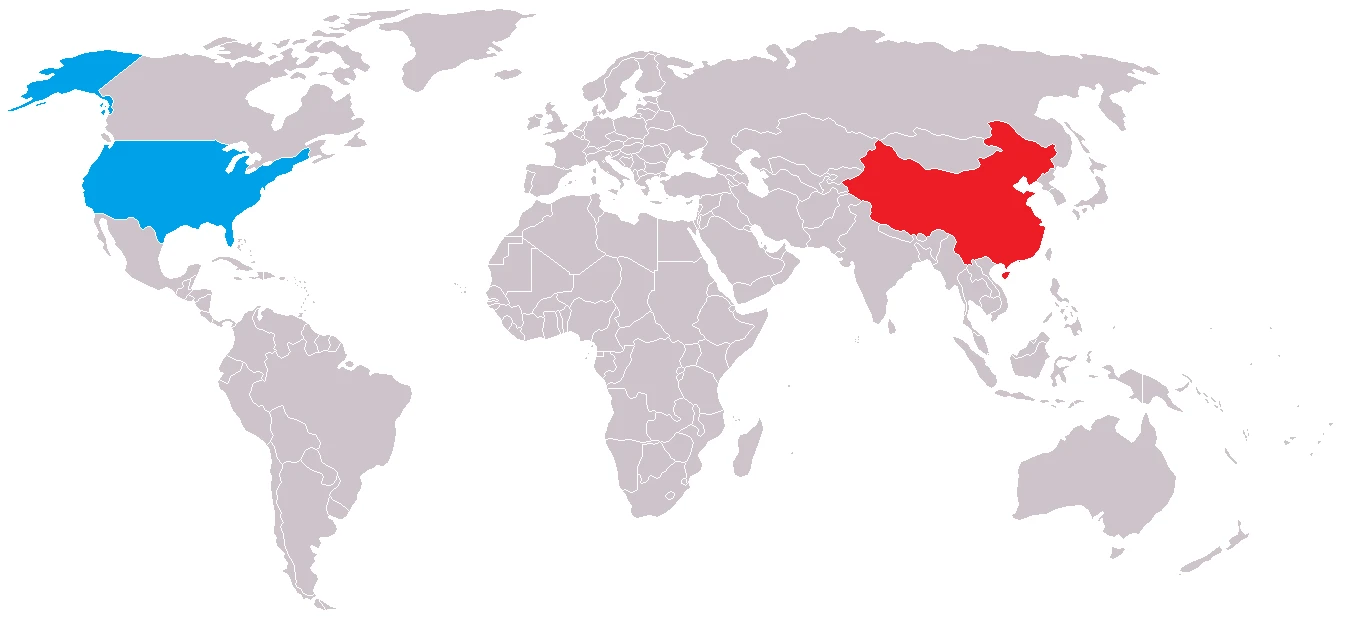
The regional reaction reflected how closely Pacific governments track such signals. Penny Wong said the test was “destabilising to the region” and said Pacific neighbors expect greater transparency and reassurance. Richard Marles, Australia’s acting prime minister, said Australia was very concerned about actions that undermine stability, peace and security in the Pacific. One assessment said the missile was likely the JL-3, China’s most advanced submarine-launched missile, which could reach the continental United States from Chinese coastal waters. Another report said it flew about 7,000 kilometers and splashed down near Nauru and Tuvalu, both within the South Pacific Nuclear Weapons Free Zone created by the 1986 Treaty of Rarotonga.
Sources
- [1]usnews.com
- [2]state.gov
- [3]abc.net.au
- [4]defensenews.com