US News
US defends barring Somali referee from World Cup entry
Omar Abdulkadir Artan was stopped at Miami International Airport after traveling from Istanbul with a U.S. visa in hand, then sent back without entering the country. U.S. Customs and Border Protection said the Somali referee was denied entry on June 6 after additional inspection and was found inadmissible over "vetting concerns," while a later U.S. official said the case involved "association with suspected members of terror organizations."
Andrew Giuliani, who leads the White House World Cup task force, defended the decision and said it was taken for "very good reason," but he declined to spell out the evidence. That leaves the public with only the broadest outline of why Artan was blocked, even as the United States prepares to police one of the largest sporting events it has ever hosted and security scrutiny rises around the 2026 World Cup.
Artan told The New York Times that he was questioned for 11 hours at the airport, asked about Somali politics and al-Shabab, and shown FIFA documents and photographs from his refereeing career. He was then held briefly and put back on a flight to Istanbul, ending a trip that was supposed to carry him into the final stretch before the tournament.
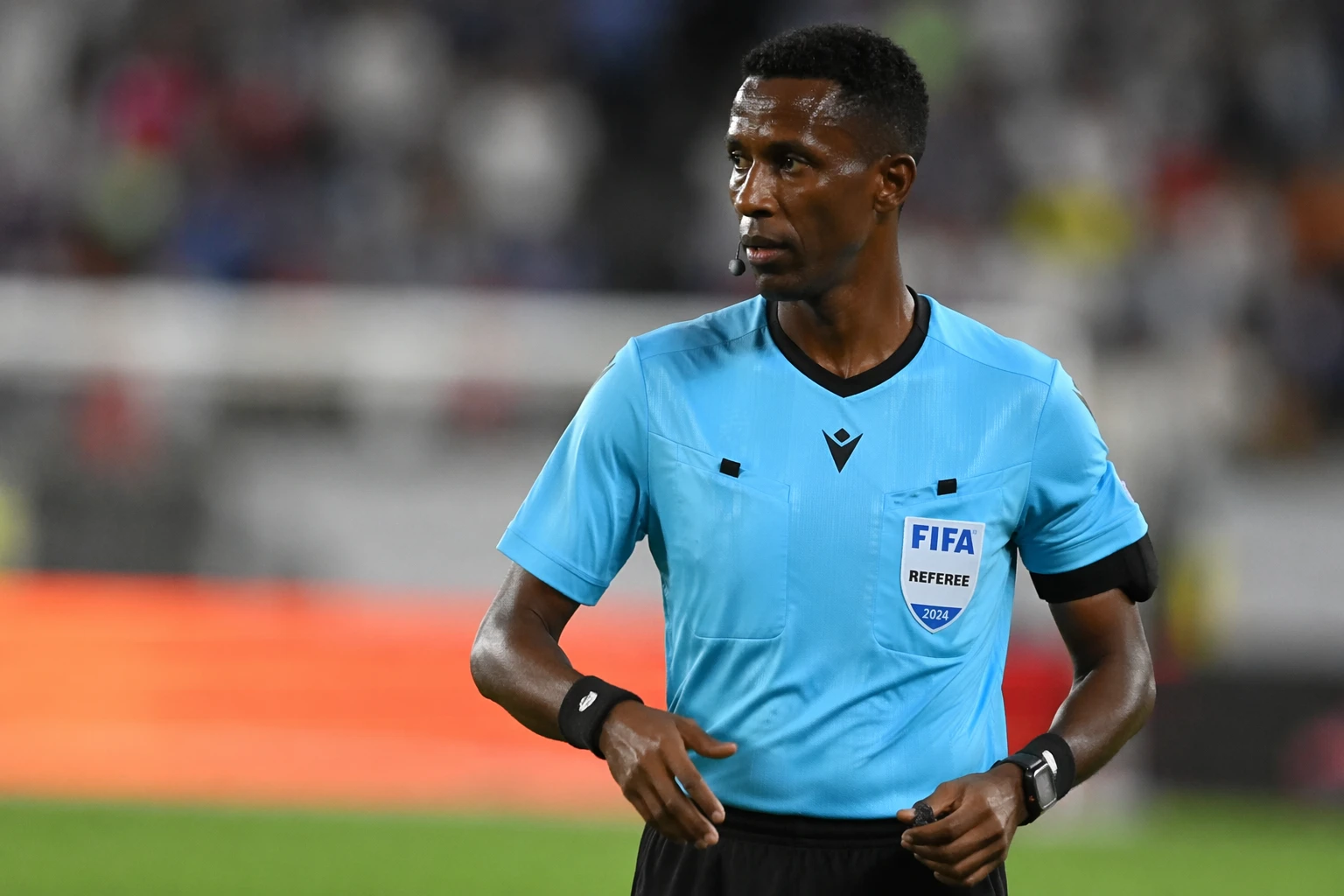
The case is unusual not just because of the timing, but because of who Artan was. He was one of FIFA’s 52 referees selected for the expanded 2026 World Cup, which will feature 48 teams and 104 matches. FIFA confirmed that he would not be able to train or officiate at the tournament and said host governments ultimately decide who gets a visa and who is admitted. By Politico’s account, it is the first known case of a World Cup referee being barred from entry by U.S. immigration authorities.
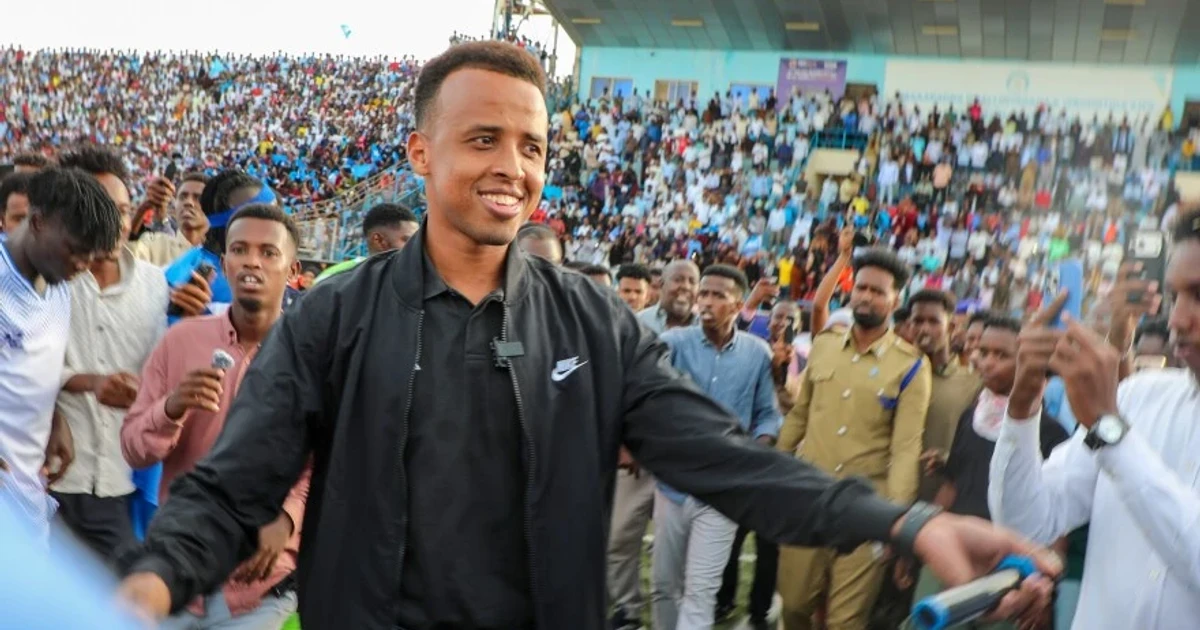
For Somalia, the decision cut deeper than one official’s tournament assignment. Artan had been set to become the first Somali referee ever to officiate at a World Cup, a milestone that would have carried symbolic weight far beyond the field. Somali officials condemned the move, and the Somalia Youth and Sports Ministry said its embassy in the United States was trying to resolve the problem.
The episode also underscores how travel restrictions can shape who gets to participate in global sport before a whistle is ever blown. Somalia is among the countries subject to heightened U.S. scrutiny under the Trump administration’s travel policies, and the denial of entry to a World Cup referee shows how that gatekeeping can reach into FIFA’s own ranks. Artan has since returned to Mogadishu, where supporters and officials welcomed him home, and he said he hopes to be at the next World Cup.
Sources
- [1]cbsnews.com
- [2]cbssports.com
- [3]espn.com
- [4]politico.com
- [5]usatoday.com