Technology
U.S. delays blacklist move on DeepSeek, CXMT amid China tensions
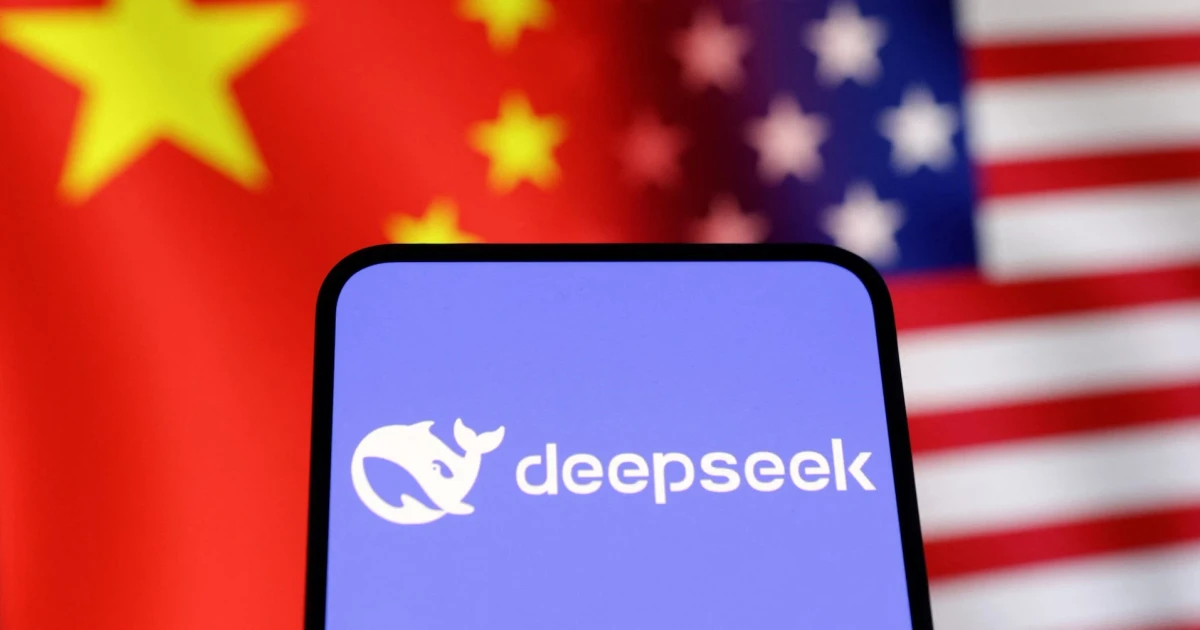
Washington has held back on adding DeepSeek, ChangXin Memory Technologies, and more than 100 other Chinese companies to the Commerce Department’s Entity List, a delay that exposes how fraught U.S. technology policy has become. The firms had already been approved last year for possible blacklisting, but officials paused publication while weighing diplomatic and economic consequences.
The hold matters because the Entity List is one of Washington’s sharpest export-control tools. Once a company is listed, exports, reexports and transfers to it face license requirements, and applications are generally reviewed with a presumption of denial. That makes placement on the list far more than a symbol: it can choke off access to U.S. technology, components and software that are often essential to advanced manufacturing and artificial intelligence.
The decision also highlights the internal machinery behind U.S. sanctions and controls. Proposed changes to the list run through the End-User Review Committee, an interagency body that includes the Commerce, State, Defense and Energy departments, and Treasury where appropriate. The fact that those approvals had already cleared that process last year suggests the political debate came later, when the White House had to decide whether to absorb the fallout from a tougher move against Beijing.
DeepSeek is especially sensitive because it sits at the center of the U.S.-China AI race. In June 2025, a senior State Department official said the company was aiding China’s military and intelligence operations and had tried to use Southeast Asian shell companies to obtain advanced U.S.-restricted chips. ChangXin Memory Technologies, or CXMT, is just as strategically important in another way: memory chips are a core input for AI systems and the broader semiconductor supply chain.
The pause fits into a wider industrial policy push that began with the CHIPS and Science Act, signed in August 2022 to strengthen U.S. supply chains and national security. But it also shows the limits of that strategy. Washington is trying to slow China’s technological rise without triggering a broader economic shock, and more than 100 companies in the pipeline means the stakes extend well beyond two headline names.

For now, the delay suggests that export controls still give Washington leverage, but not a cost-free one. The administration is balancing security concerns against the risk of retaliation, supply-chain disruption and a deeper rupture with Beijing.
Sources
- [1]money.usnews.com
- [2]msn.com
- [3]bis.gov
- [4]media.bis.gov
- [5]cnbc.com
- [6]2021-2025.state.gov