World
US delivers aid to Venezuela despite bounty on Cabello
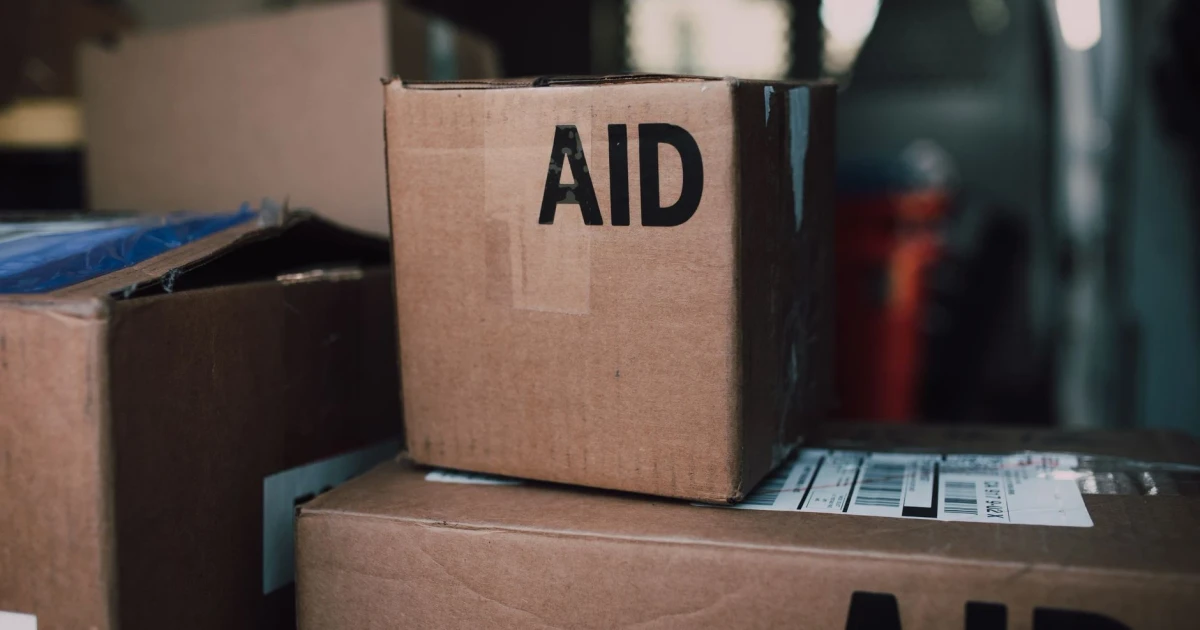
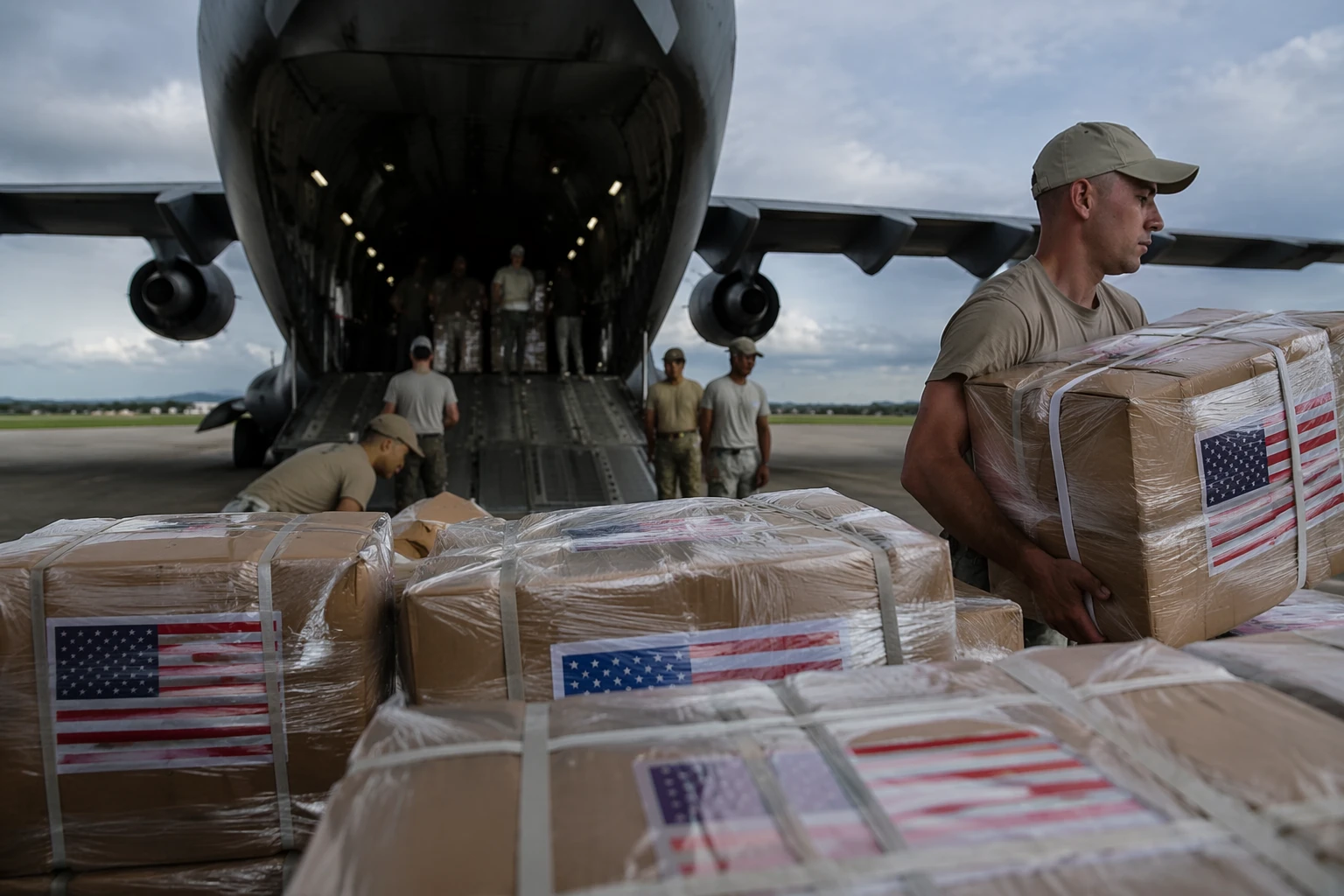
The United States said it had delivered more than $310 million in aid to Venezuela after twin earthquakes struck north-central Venezuela on June 24, even as Diosdado Cabello Rondón remains one of Washington’s most wanted Venezuelan officials. U.S. officials said Caracas was “fully compliant” with American requests to speed the relief effort, and more than 900 U.S. personnel were inside Venezuela with about 800 more in Caribbean hubs supporting the operation.
That humanitarian channel sits uneasily beside a criminal case that still defines Cabello in U.S. law. On March 26, 2020, the Justice Department unsealed a superseding indictment in the Southern District of New York charging Nicolás Maduro Moros, Cabello and other Venezuelan officials with narco-terrorism conspiracy, cocaine importation conspiracy and weapons-related conspiracy. Prosecutors said the defendants had worked with the FARC to use cocaine as a weapon to “flood” the United States.
Washington escalated the pressure again on January 10, 2025, when the State Department raised the reward for information leading to Cabello’s arrest or conviction from up to $10 million to up to $25 million. The same day, the Treasury Department sanctioned eight Venezuelan officials tied to Maduro’s repression and illegitimate claim to power, raised Maduro’s bounty to $25 million and announced a $15 million reward for Defense Minister Vladimir Padrino López. The United States also said it did not recognize Maduro as Venezuela’s president and backed opposition figure Edmundo González Urrutia’s claim to have won the 2024 election.
By early 2026, however, the relationship had become more transactional. On January 17, U.S. officials were still in communication with Cabello and had been in discussions with him months before the U.S. operation to seize Maduro. The contact underscored a hard reality of Venezuela policy: even as the United States publicly treats Cabello as a high-value narco-crime target, it has also relied on him as a point of contact when crisis management required access inside Maduro’s circle.
That dual track has left sanctions, indictments and rewards intact while producing tactical cooperation when Washington’s priorities shift to migration, security or emergency relief. For Caracas, the aid operation offered badly needed support after the earthquakes. For Washington, it showed how far the United States will go to secure a humanitarian corridor even when the man on the other end of the conversation carries a $25 million price on his head.
Sources
- [1]nytimes.com
- [2]state.gov
- [3]justice.gov
- [4]home.treasury.gov
- [5]usnews.com