World
U.S. denies Iran’s Strait of Hormuz closure claim amid tanker deaths
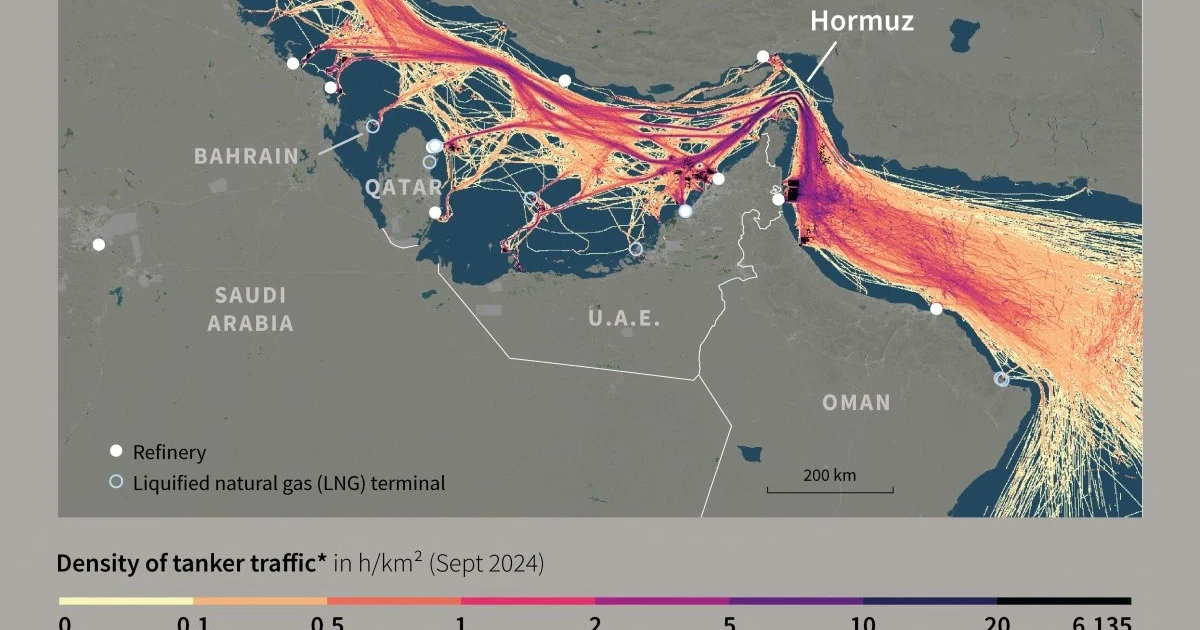
Washington rejected Iran’s claim that it had closed the Strait of Hormuz as missile and drone fire widened across the Gulf, turning a military confrontation into an immediate threat to shipping, oil prices and allied governments. The stakes are enormous: the strait links the Persian Gulf with the Gulf of Oman and the Arabian Sea, and the U.S. Energy Information Administration said it carried an average of 20.9 million barrels a day of oil in 2023, about 20% of global petroleum liquids consumption. About one-fifth of global LNG trade also passed through the waterway.
Iran’s top joint military command said vessels trying to pass through the strait would be shot at, but U.S. military officials rejected the closure claim. The dispute landed in markets that have already been on edge for months. The Energy Information Administration said global oil markets remained volatile and uncertain as the Strait of Hormuz’s effective closure has now lasted more than three months, and the agency has long warned that a real shutdown would have major consequences for prices and supply.
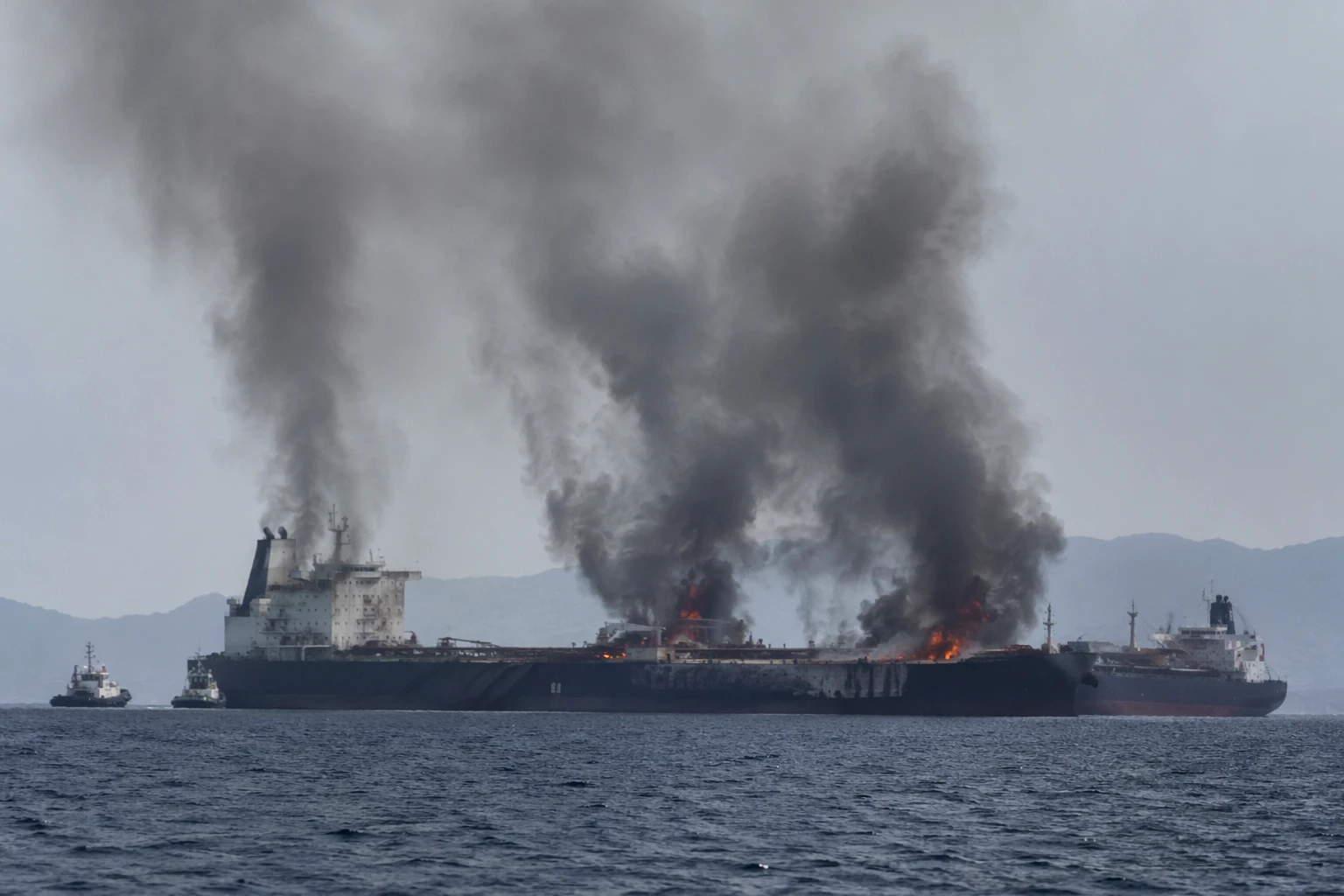
The diplomatic fallout widened after India said three of its mariners were killed in a U.S. strike on the Palau-flagged M/T Settebello in the Gulf of Oman off Oman, near the Strait of Hormuz. The dead sailors were identified as Aditya Sharma, Shivanand Chaurasiya and Patnala Suresh. The tanker carried 24 Indian seafarers, and 21 were rescued. India summoned a senior U.S. diplomat to lodge a “strong protest,” while its foreign ministry said attacks on commercial shipping and civilian infrastructure in the region are “deeply worrisome.”
U.S. Central Command said it fired precision munitions into the ship’s engine room after repeated warnings were ignored and accused the vessel of trying to transport Iranian oil in violation of a blockade on Iran-linked shipping that began April 13. CENTCOM said that campaign had disabled eight non-compliant vessels, redirected 134 that complied and allowed 42 humanitarian vessels through.
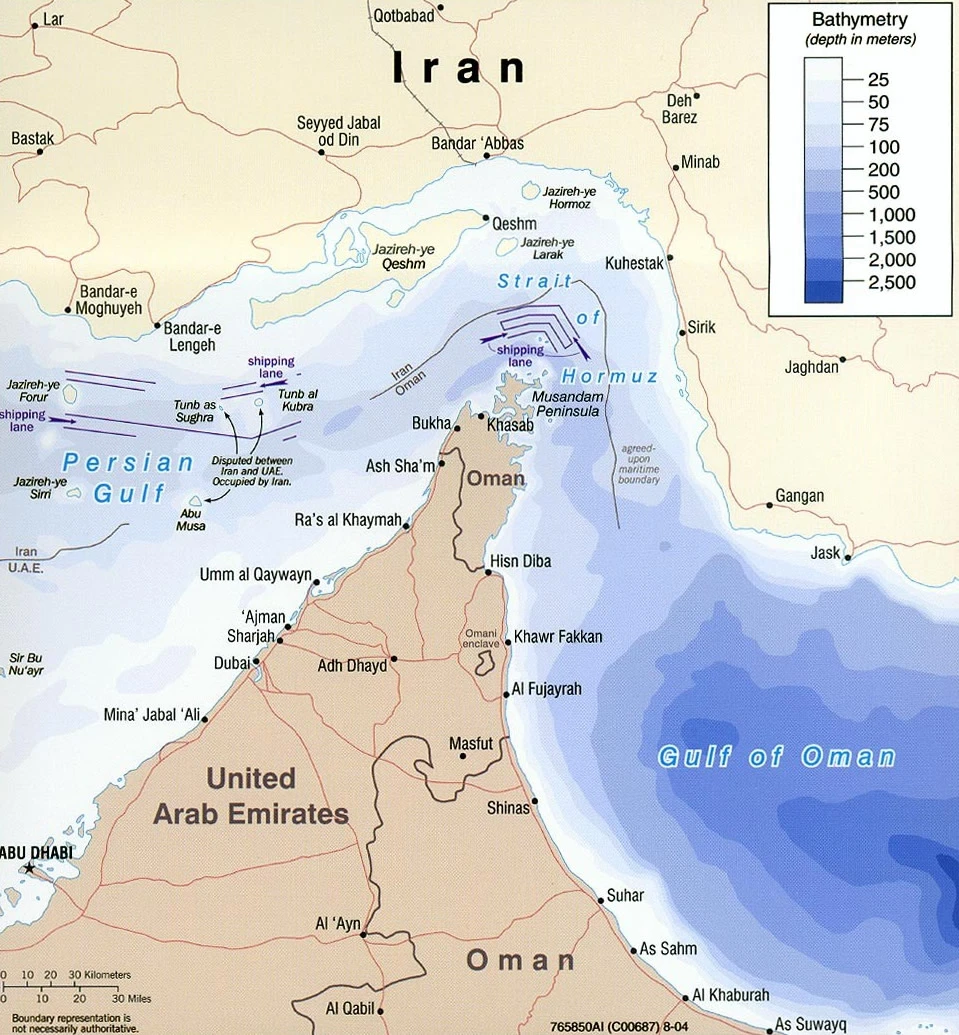
The confrontation now carries a double risk: the battlefield toll of direct strikes and the informational shock of rival claims over one of the world’s most important oil chokepoints. Even disputed threats to Hormuz can move insurers, freight rates and energy traders within hours, and the latest exchange has only deepened the pressure on Gulf shipping lanes.
Sources
- [1]cbsnews.com
- [2]eia.gov
- [3]usnews.com
- [4]telegraph.co.uk