US News
US deportees in Sierra Leone face possible onward removal
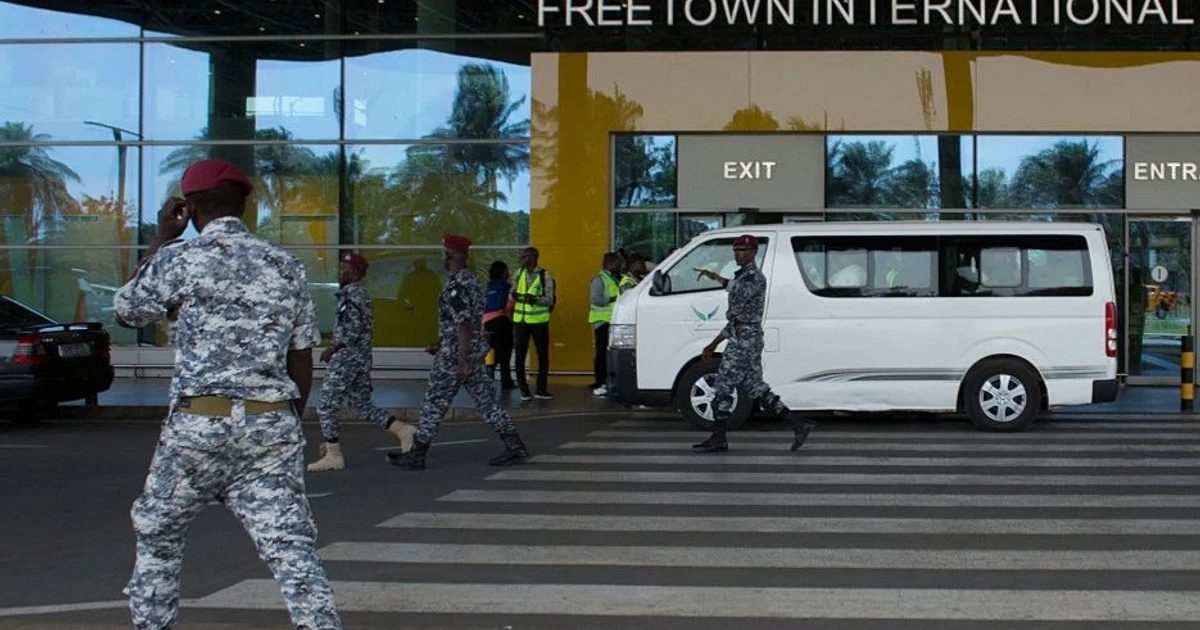
About a dozen people deported from the United States landed in Sierra Leone on June 19, the second flight under a new arrangement that has already sent nine West African migrants there from the United States. For some of the deportees, the new destination did not end their legal risk. Lawyers and court records show that at least one woman had previously won protection from removal to a country where she feared torture, only to be swept into a third-country transfer that could place her back in the path of deportation.
That is what makes the Sierra Leone arrangement so consequential. It can leave people who were shielded from direct removal in the United States exposed to a new round of transfer decisions once they reach Freetown or Lungi. A briefing pamphlet given to migrants described Sierra Leone as a temporary transit location and said the goal was to send people home quickly and safely. To immigration advocates, that is exactly the problem: a legal safeguard in one country can be sidestepped if the person is first shipped to another country willing to receive them.
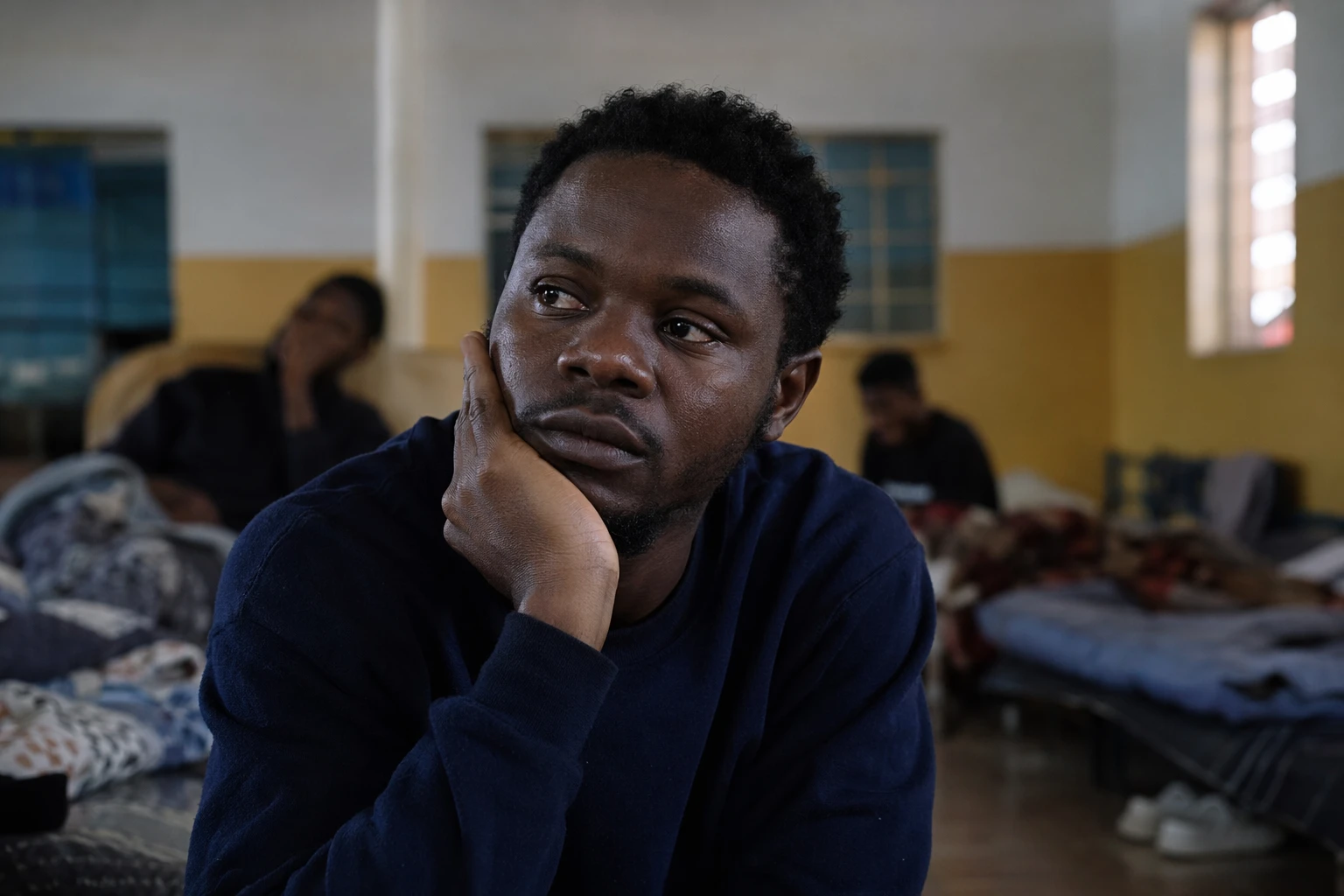
Sierra Leone has said it will accept only West African nationals under the deal. Timothy Kabba, the foreign minister, said the arrangement is backed by a $1.5 million U.S. grant and is capped at 25 deportees a month, or 300 a year. The Sierra Leone Ministry of Information and Civic Education said deportees are expected to be sent home or transferred within 14 days, or within 30 days in exceptional cases. The ministry also said Kenvah Solutions, a private contractor, was hired to handle housing, food, health care and transfers.
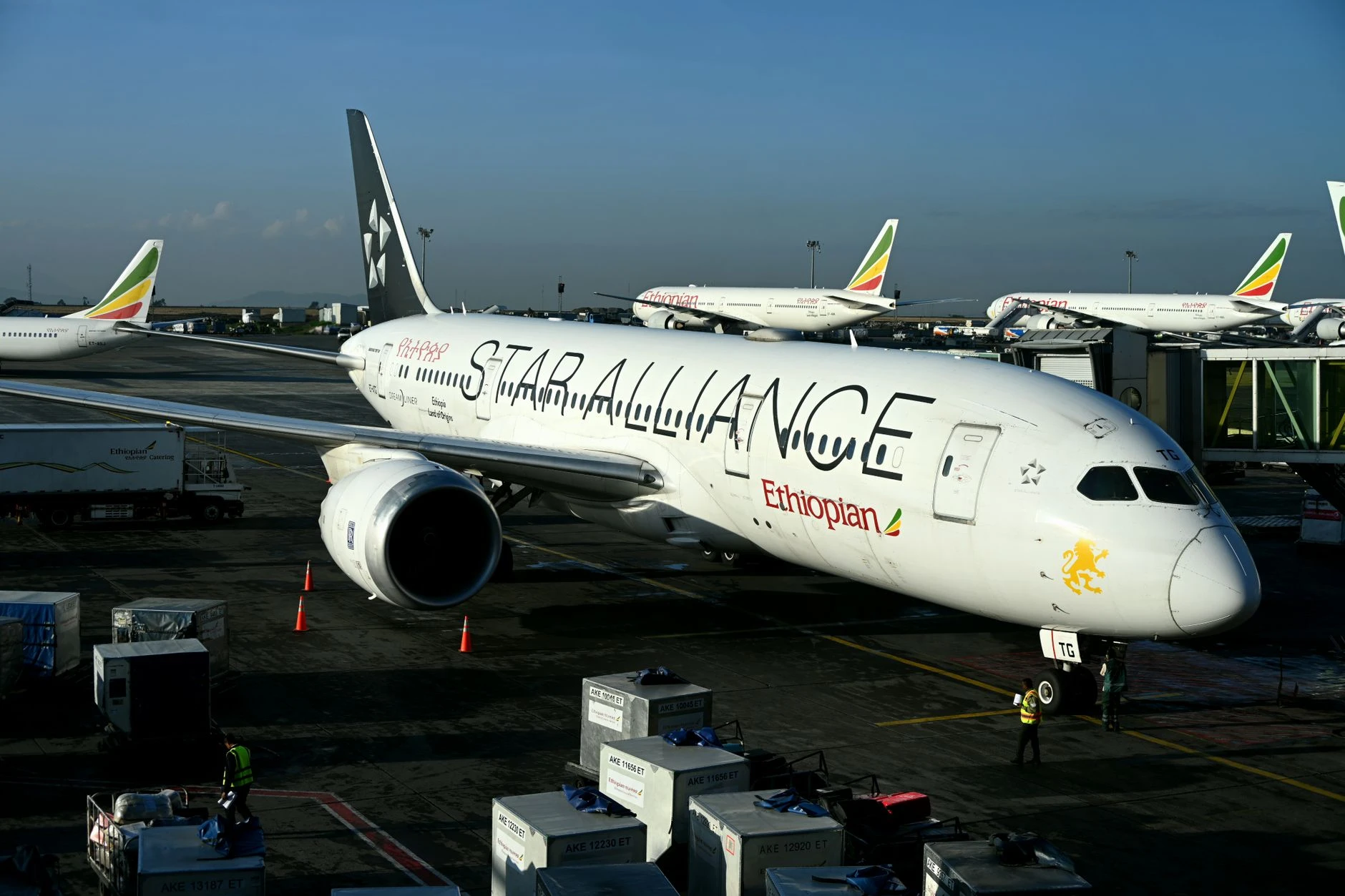
The first flight arrived on May 20, carrying nine migrants, and included people from Ghana, Guinea, Senegal and Nigeria. The second flight, arriving June 19, showed the same pattern: migrants from across West Africa, not just Sierra Leone. That is why critics say the program is not simply about repatriation, but about channeling people through a country that may have little connection to the places they fled.
Accountability becomes hazier once the plane lands. The United States initiates the removal; Sierra Leone controls the next step; and Kenvah Solutions handles the day-to-day logistics. Human rights groups have criticized third-country deportation deals as opaque and potentially inconsistent with international protections, and Sierra Leonean opposition figures have called for parliamentary scrutiny. For deportees who already faced danger once, the open question is whether protection in the United States means much if a third country can reopen the road back to the same threats.
Sources
- [1]apnews.com
- [2]usnews.com
- [3]reuters.com
- [4]pbs.org
- [5]srnnews.com
- [6]newsday.com
- [7]channelafrica.co.za