World
U.S. disables tanker heading for Iranian oil hub as blockade tightens
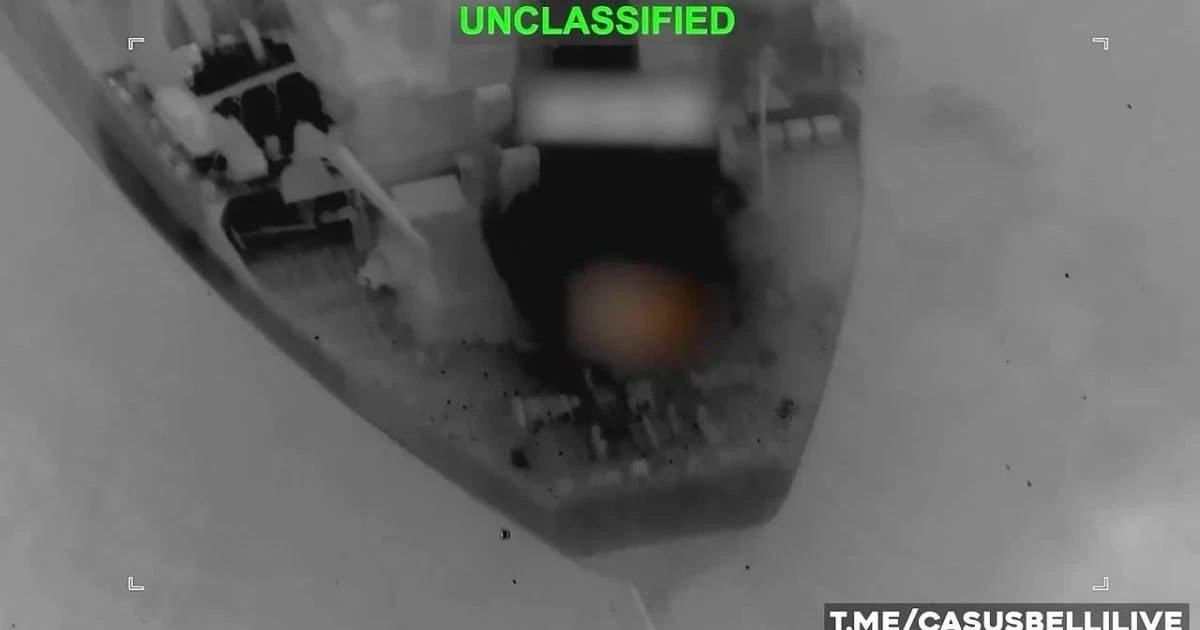
U.S. forces disabled the Curacao-flagged oil tanker M/T Belma after it ignored repeated warnings to stop and kept moving through international waters toward Kharg Island, Iran’s main oil-export hub. The strike, which hit the tanker’s smokestack, was the first direct enforcement action since President Donald Trump reinstated a naval blockade on Iranian ports on July 13, a step that took effect July 14.
U.S. Central Command said the Belma was not carrying cargo and was headed for Kharg Island when a U.S. aircraft fired missiles into the ship’s smokestack. CENTCOM also said two other commercial vessels complied with warnings and were redirected. The blockade applies to vessels transiting to and from Iranian ports and coastal areas, turning a political declaration into a live maritime enforcement regime in the Persian Gulf.
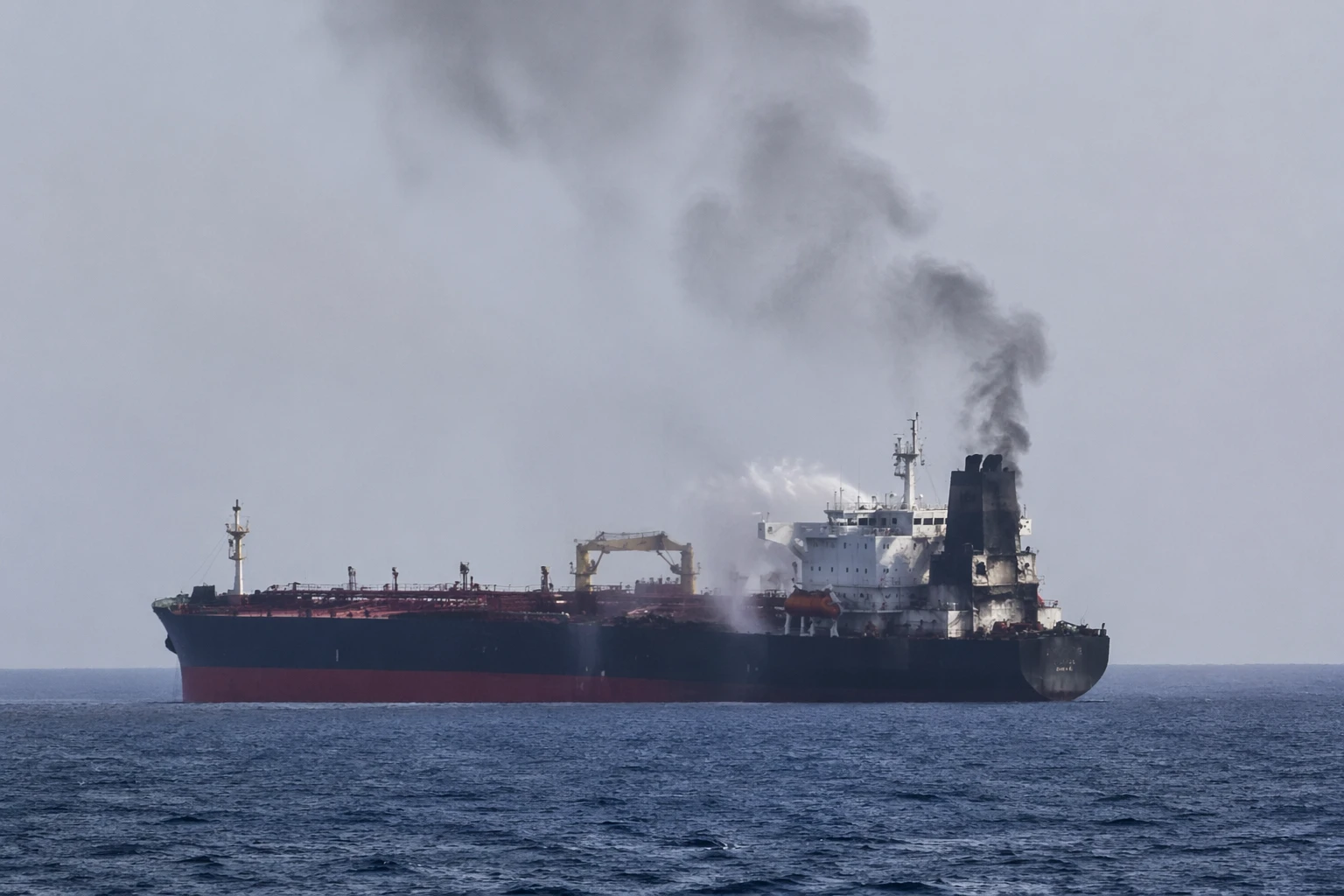
That shift matters far beyond one tanker. Shipowners now have to treat the Strait of Hormuz and nearby waters as an active interdiction zone, not just a contested corridor. Insurers are likely to recalculate war-risk premiums, charterers may reroute cargoes, and allied navies will read the seizure as evidence that the United States is willing to back its blockade with force. Under maritime practice, that is the point at which a blockade stops being an announcement and becomes a practical barrier to commerce. It also draws fresh scrutiny in Washington over the scope of U.S. war powers, because the operation directly targeted a civilian vessel in international waters.
Trump has said the United States would be reimbursed at a rate of 20% on all cargo shipped through the Strait of Hormuz, which he described as a vital route for global oil supplies. He also said on Fox News that the United States would "probably run" the strait and act as its "guardian." The fight over the waterway has already pushed up energy prices and deepened global inflation concerns as control of the strait has become one of the main battlegrounds in the confrontation with Iran.
The confrontation widened further as U.S. and Iranian forces exchanged missile and drone attacks over the weekend and into Wednesday. CBS News reported that Kuwait, Bahrain and Jordan reported incoming Iranian missile or drone attacks on Wednesday, while Iran warned Thursday that it would target regional infrastructure if the United States attacked its infrastructure. CENTCOM said U.S. forces "remain vigilant and prepared to ensure full compliance."
Sources
- [1]cbsnews.com
- [2]usnews.com
- [3]stripes.com
- [4]npr.org
- [5]news.usni.org