World
U.S. disables tanker heading toward Iran’s key oil export terminal
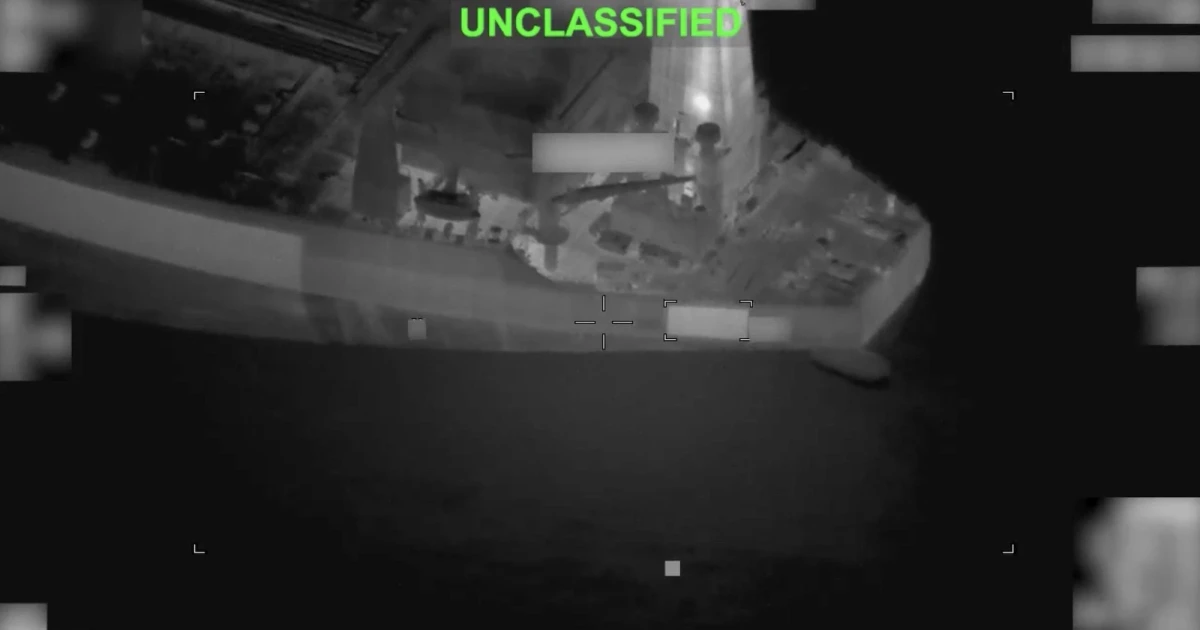
U.S. forces disabled the Botswana-flagged, unladen M/T Lexie after it headed toward Kharg Island, Iran’s main oil export terminal, and ignored repeated warnings for 24 hours. A U.S. aircraft fired a Hellfire missile into the tanker’s engine room, stopping the vessel before it reached Iranian waters and marking a sharper turn from warning ships to physically disabling them.
The move came under the blockade President Donald Trump reinstated on Iranian ports. U.S. Central Command said the blockade of all maritime traffic entering and exiting Iranian ports began on April 13, and by June 2 American forces had disabled six commercial vessels and redirected 122 others. The June 2 strike on the Lexie showed how quickly the policy had shifted from interception to direct attack on a ship suspected of trying to reach a critical Iranian export site.
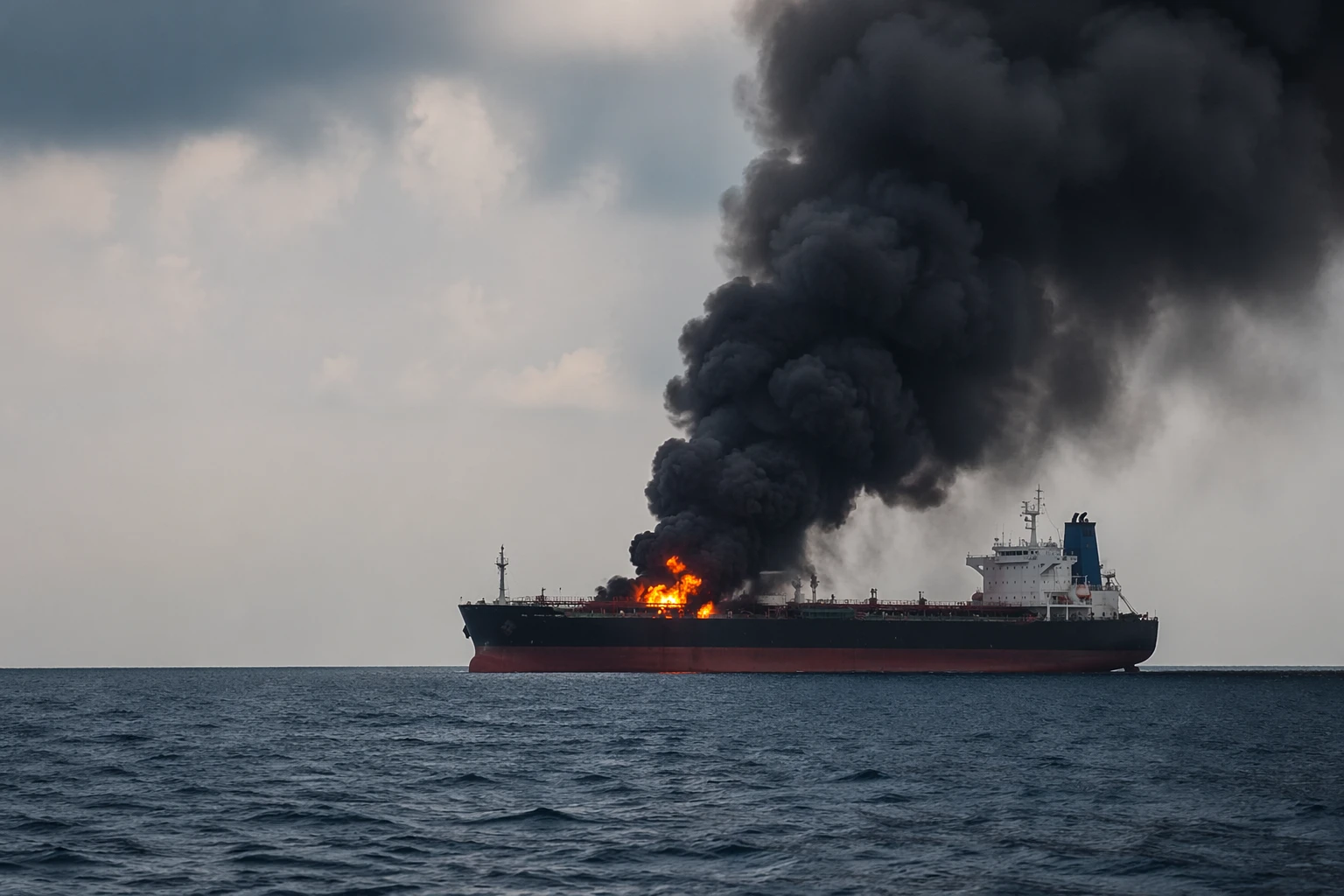
That escalation mattered because the confrontation was already disrupting the Strait of Hormuz, the narrow waterway through which much of the world’s oil moves. Reuters reported on July 9 that tanker traffic through the strait had fallen to a near standstill, with only two tankers transiting early that day. Before the war, the strait handled about one-fifth of global oil supplies and typically saw roughly 125 to 140 sailings a day; during the conflict, that number had dropped to around 40.
Shipping risks were rising alongside the losses in traffic. Industry sources said some vessels were switching off AIS transponders, making it harder to track their movements, and some war underwriters advised companies to pause voyages through the strait. That combination of secrecy, insurance pressure and military interdiction has turned the passage into one of the most dangerous flash points in the region.
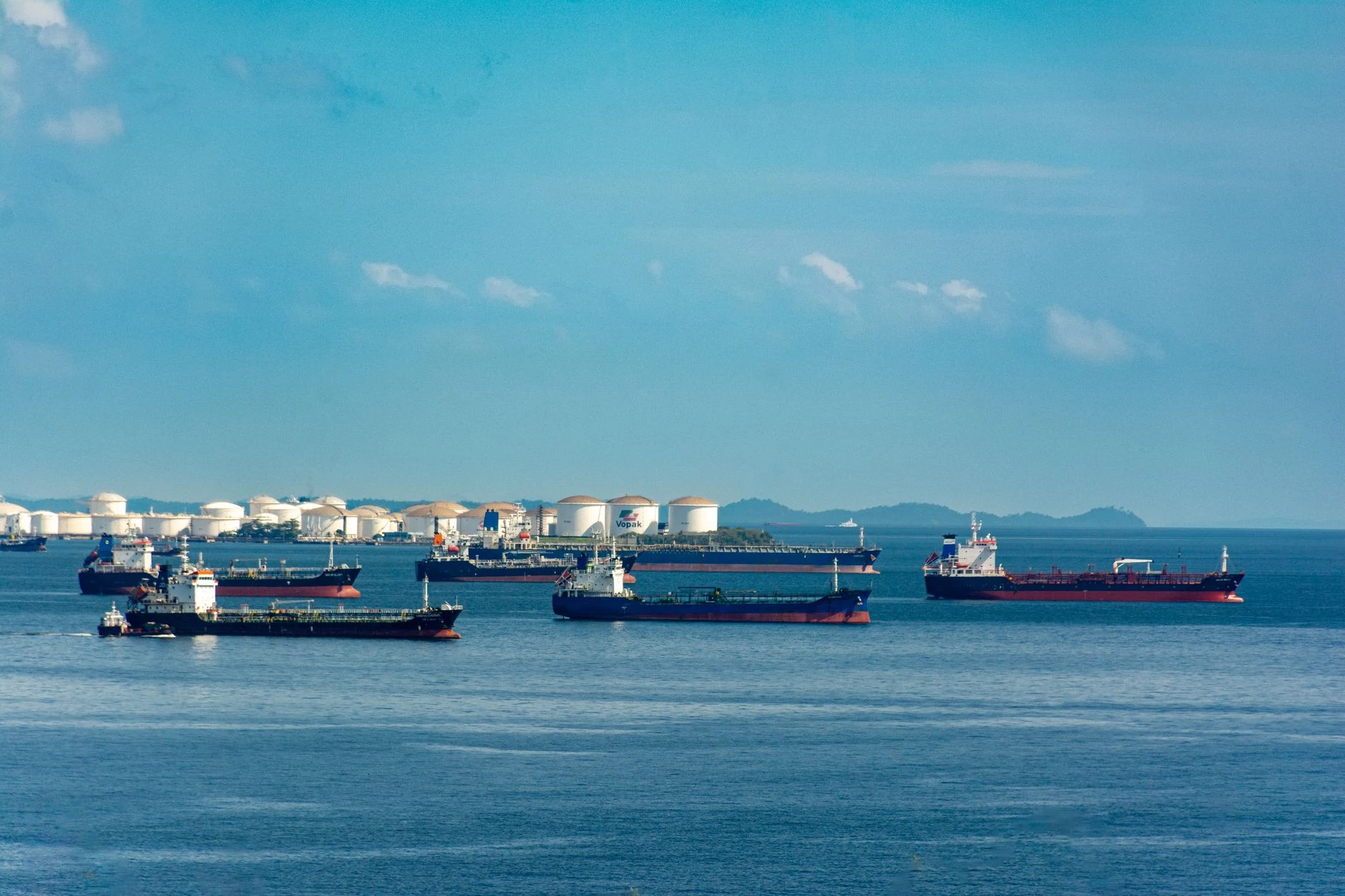
The Iranian Revolutionary Guards Navy warned that further U.S. intervention would draw a “crushing response,” a signal that the maritime standoff could spill into direct retaliation around the Strait of Hormuz and the Arabian Gulf. With Kharg Island under pressure and shipping already thinning out, the campaign has brought Washington and Tehran closer to a broader conflict that could hit oil flows, regional trade and civilian crews caught in the middle.
Sources
- [1]cbsnews.com
- [2]centcom.mil
- [3]al-monitor.com
- [4]reuters.com