Health
US Doctor Battles Ebola After Evacuation From Congo
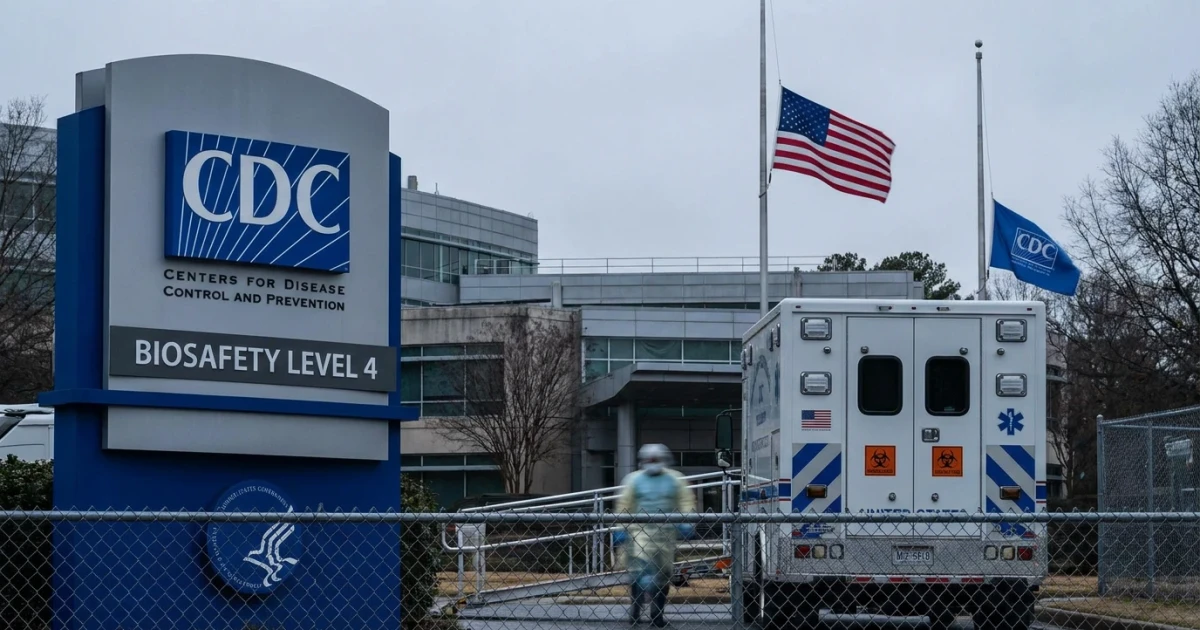
An American doctor evacuated from the Democratic Republic of the Congo (DRC) after contracting Ebola is facing a difficult recovery in the United States while expressing anguish over the continued suffering of his colleagues still battling the virus on the front lines.
Medical Evacuation Amid Ongoing Ebola Outbreak
The Washington Post reported that the physician, whose name has not been publicly released due to privacy concerns, was flown out of the DRC for advanced treatment after testing positive for Ebola virus disease. The evacuation comes as the DRC continues to confront recurrent outbreaks, with health workers often at particular risk due to their close contact with patients and limited resources on the ground.
While the doctor receives care in the United States, he described feeling "helpless" as he learns of colleagues in Congo succumbing to the disease. Such sentiments highlight the immense personal and emotional burden on healthcare workers combating Ebola in resource-constrained settings.
Personal Toll on Health Workers
- Ebola is known for its high fatality rate—ranging between 25% and 90% in past outbreaks, according to WHO key facts.
- Healthcare workers represent a significant proportion of those infected, given their exposure and the challenges of maintaining strict infection prevention protocols.
- Affected staff not only face the risk of severe illness but also the emotional distress of losing colleagues, as seen in this case.
The doctor’s evacuation underscores the disparities in access to advanced medical care. While international workers can sometimes be airlifted for treatment, local doctors and nurses often remain in high-risk environments with limited support. The UNICEF Ebola response in DRC has documented ongoing efforts to protect and support frontline staff, but challenges persist in remote or conflict-affected regions.
Current Outbreak Context and Response
The latest Ebola outbreak in the DRC has claimed numerous lives, including several health professionals. According to official WHO situation reports, sporadic flare-ups continue to threaten public health in the region, with rapid response and vaccination efforts underway.
- Containment relies on swift identification of cases, safe burial practices, and effective vaccination campaigns.
- Organizations such as the World Health Organization and UNICEF are actively involved in training, providing protective equipment, and supporting survivors.
The emotional impact on health workers, both expatriate and local, remains profound. Witnessing colleagues fall ill or die has long-term effects on morale and mental health, as documented in research analyses of previous outbreaks in the region.
Looking Forward
While the American doctor remains "optimistic" for his own recovery, the continued sacrifices of Congolese health workers in the fight against Ebola demand international recognition and support. Their dedication, despite personal risk and the trauma of loss, is vital for containing the virus and protecting vulnerable communities.
For more data on outbreak trends, response strategies, and survivor outcomes, readers can explore the CDC's chronology of Ebola outbreaks and Ebola response data for the DRC.
The story of this evacuated doctor is a stark reminder of the global risks posed by infectious diseases, the courage of medical staff, and the ongoing need for robust international cooperation in disease control and humanitarian support.