World
U.S. doctor released from Prague Ebola monitoring, heads home
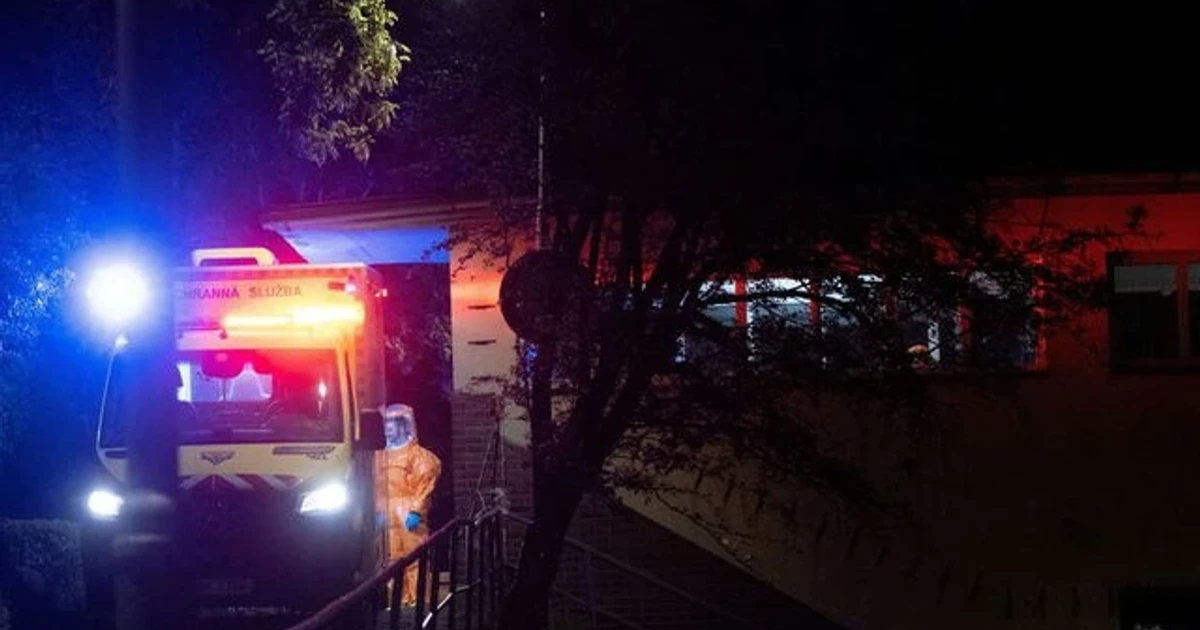
A U.S. doctor who spent three weeks under Ebola monitoring in Prague has been released and is heading home after never developing symptoms. The case, centered at Bulovka University Hospital, shows how health officials contain a possible exposure: isolate quickly, watch through the full incubation period, and discharge only when the risk window closes.
The doctor, identified in media reports as Patrick LaRochelle, was transferred from Uganda to the Czech Republic as a precaution after contact with an Ebola patient. He remained in isolation at Bulovka hospital from May 21 until his release on June 10, and the hospital said he showed no signs of illness during that period. Czech officials said there was no risk to the wider public, and health minister Adam Vojtěch said at the time of the transfer that there was “no real risk” to the broader population.

The Prague placement was made at the request of the United States, and Czech authorities agreed to take one patient because Bulovka is the country’s specialized infectious-diseases facility. The arrangement reflected a broader cross-border response: the U.S. Embassy in Prague had approached Czech officials after several American doctors who had treated Ebola patients in Uganda and Congo needed evacuation. Most of the others were sent to Germany, while Czechia accepted one patient for monitored isolation in Prague.
The timing matched established Ebola guidance. The World Health Organization says symptoms can appear 2 to 21 days after exposure, most often 8 to 10 days after exposure, and the doctor’s three-week isolation covered that full period. The Centers for Disease Control and Prevention says Ebola is not considered contagious until symptoms begin, a key reason officials could monitor the case without treating it as a wider public-health emergency.
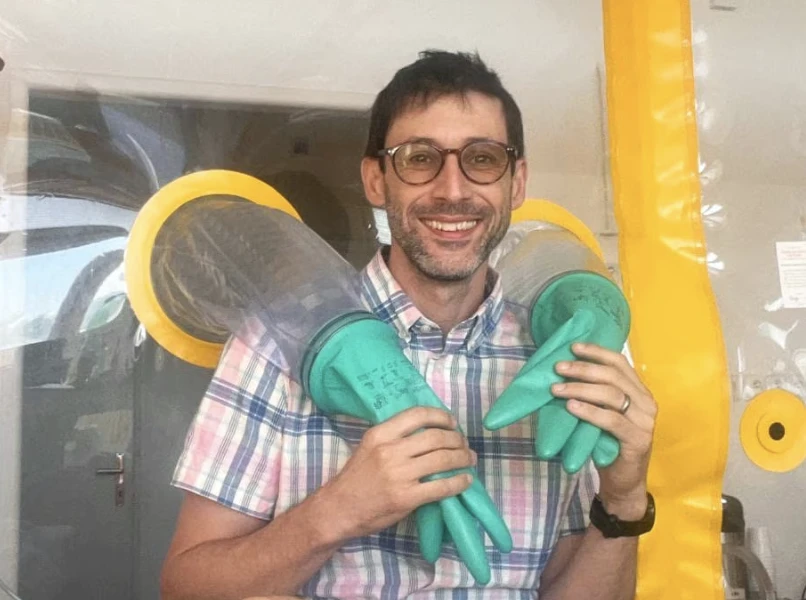
The episode unfolded against a regional outbreak in central Africa. In May 2026, the World Health Organization said it was alerted to a high-mortality illness in Ituri Province in the Democratic Republic of the Congo, later confirmed as Bundibugyo virus disease, a species of Ebola, with cases also reported in Uganda. The WHO said there is no licensed vaccine or specific therapeutic for Bundibugyo virus disease, although early supportive care can save lives. In that setting, Prague’s handling of LaRochelle’s case demonstrated the basic logic of Ebola surveillance in the post-pandemic era: move fast, isolate carefully, and prevent an exposure from becoming transmission.
Sources
- [1]usnews.com
- [2]english.radio.cz
- [3]who.int
- [4]cdc.gov