World
US Downs Iranian Drones Near Strait of Hormuz
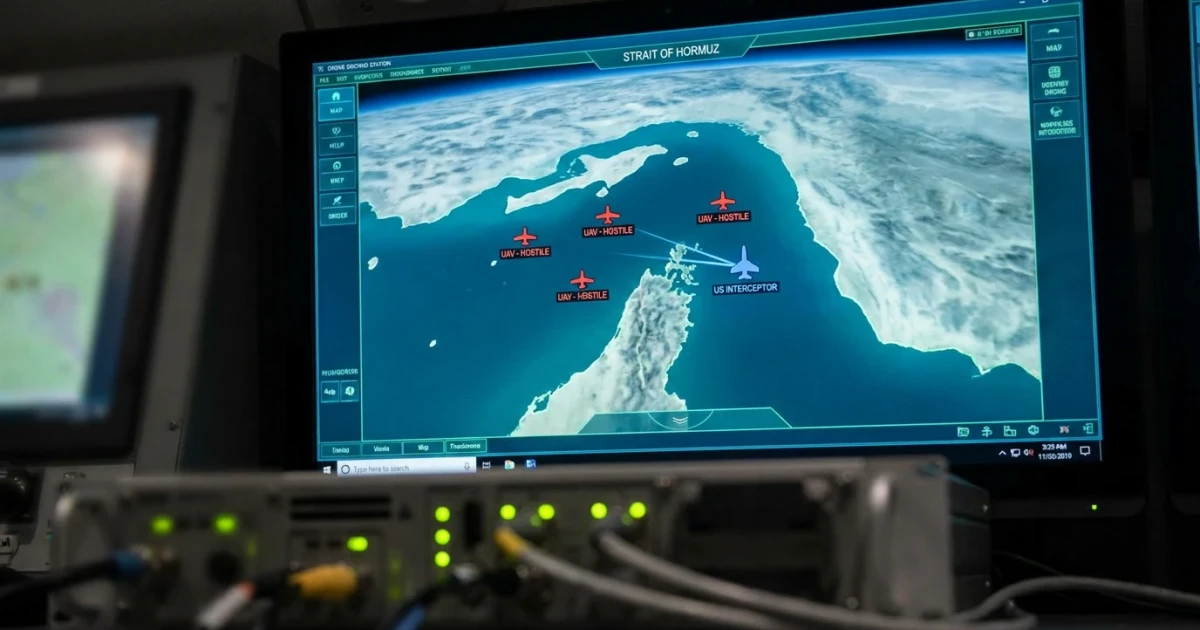
The United States military intercepted and shot down at least four Iranian drones over the Strait of Hormuz on Thursday, according to the U.S. military, in a significant escalation of tensions between Washington and Tehran in the volatile Gulf region. The incident marks the latest military exchange as both sides navigate a fragile ceasefire and underscores the strategic importance of the waterway for global energy and security.
Incident Details and Regional Context
The U.S. military confirmed that it had engaged and destroyed at least four drones launched by Iran toward the Strait of Hormuz. The New York Times reported that American forces acted in self-defense to protect shipping and military assets transiting the area—a critical chokepoint through which nearly a fifth of the world’s oil supply passes daily.
The U.S. and Iran have experienced periodic confrontations in the Gulf region, including drone shootdowns, ship seizures, and missile launches. Thursday’s drone incident is the latest in a series of events testing the boundaries of an uneasy ceasefire between the two nations.
Escalating Tensions and Ceasefire Challenges
According to regional analysts, the drone engagement demonstrates both sides’ willingness to enforce red lines, even as diplomatic efforts continue. The New York Times noted that the exchange comes as Washington and Tehran have been cautiously observing a ceasefire agreement, with the Gulf’s security environment remaining fragile due to previous incidents and ongoing proxy conflicts.
- The Strait of Hormuz is widely regarded as the world’s most important oil transit chokepoint, with thousands of vessel transits annually.
- Iran’s drone program has expanded significantly in recent years, with both surveillance and armed unmanned aerial vehicles deployed around the Gulf, according to military analysis.
Implications for Shipping and Regional Security
The incident has raised concerns among international shippers and Gulf states about the safety of commercial traffic through the Strait. Previous run-ins between U.S. and Iranian forces in the area have resulted in temporary disruptions and prompted calls for enhanced security coordination among Gulf Cooperation Council members and Western navies.
The U.S. military’s rapid response to the drones reflects longstanding policies to protect critical maritime routes and allies in the region. Iran, for its part, has often used drone deployments as a means of asserting its influence and signaling political intent without direct escalation.
Analysis: What Comes Next?
While both sides have avoided direct military confrontation, the exchange of drone strikes and defensive measures underscores a persistent risk of miscalculation. Analysts cited by The New York Times suggest that the incident could complicate ongoing efforts to stabilize the region and keep global energy supplies flowing smoothly.
Further developments will depend on whether either side seeks to escalate or de-escalate following the drone shootdowns. The international community continues to monitor the situation, with the United Nations and other bodies tracking Iranian military activity and sanctions compliance in the Gulf.
As the situation unfolds, the Strait of Hormuz remains a critical flashpoint where local incidents can have far-reaching global consequences. Observers caution that maintaining open lines of communication and robust incident management protocols is essential to prevent further escalation in one of the world’s most strategically sensitive regions.