Politics
U.S. eases Iran sanctions, authorizes oil trade amid nuclear talks
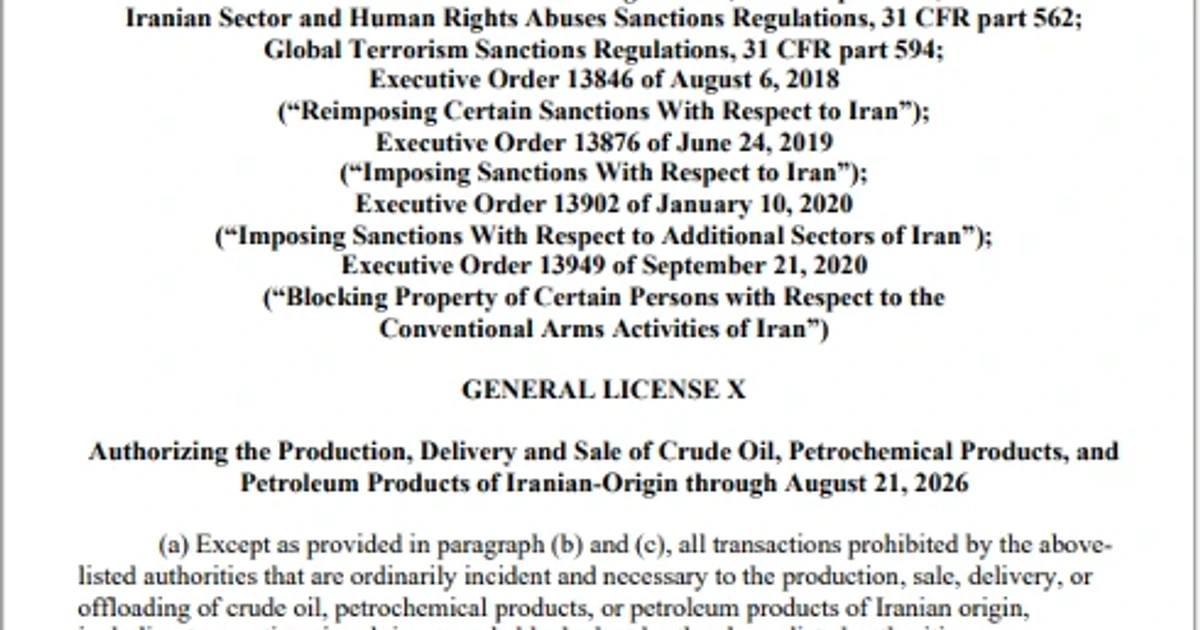
The Treasury Department’s Office of Foreign Assets Control issued Iran General License X on June 22, authorizing the production, delivery and sale of Iranian-origin crude oil, petrochemical products and petroleum products through August 21, 2026. Reports said the authorization also covered the import of Iranian oil and refined products into the United States, with payment allowed in U.S. dollars.
The move gave a temporary legal lane for Iranian oil to move again, but only within a tightly defined 60-day window. Treasury Secretary Scott Bessent said the shift followed “productive talks” between Tehran and Washington, and the license was tied to ongoing negotiations in Switzerland. Those talks were linked to Iranian commitments on nuclear inspections and free transit through the Strait of Hormuz, a waterway central to global energy flows.
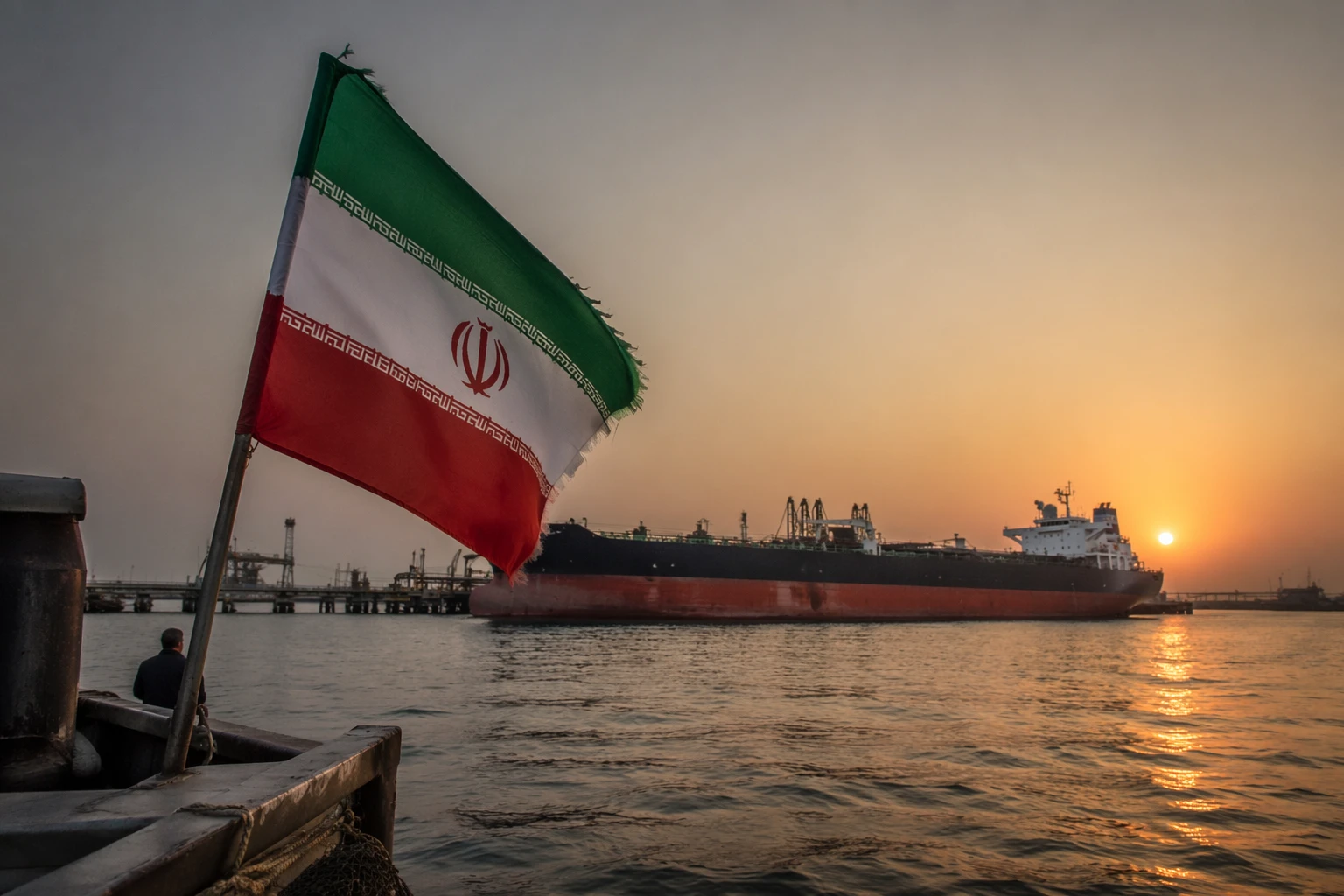
For Donald J. Trump, the license marked a sharp break from the maximum-pressure campaign his administration used to squeeze Iran’s economy. The White House announced on May 8, 2018 that the United States would leave the JCPOA, then fully reimposed sanctions on November 5, 2018. U.S. government materials described those restrictions as “the toughest U.S. sanctions ever imposed on Iran.”
The sanctions campaign hit Iran’s energy sector first. State Department materials said the United States denied Iran direct access to as much as $10 billion in oil revenue since May 2018. Congressional Research Service materials said Iranian oil exports fell dramatically after the administration ended sanctions exceptions for purchases of Iranian oil in May 2019.

The new license leaves Washington with a more flexible but also more exposed posture. By opening a narrow, reversible channel for Iranian oil, the administration has signaled that sanctions relief can be traded for progress at the negotiating table. It also gave oil markets a clearer signal that the United States was willing to tolerate more Iranian supply, at least for now, while keeping the broader sanctions architecture intact if talks collapse.
Sources
- [1]abcnews.com
- [2]ofac.treasury.gov
- [3]reuters.com
- [4]2017-2021.state.gov
- [5]crsreports.congress.gov
- [6]cnbc.com