US News
U.S. Eases Oil Restrictions, Lets Russian Tanker Supply Cuba
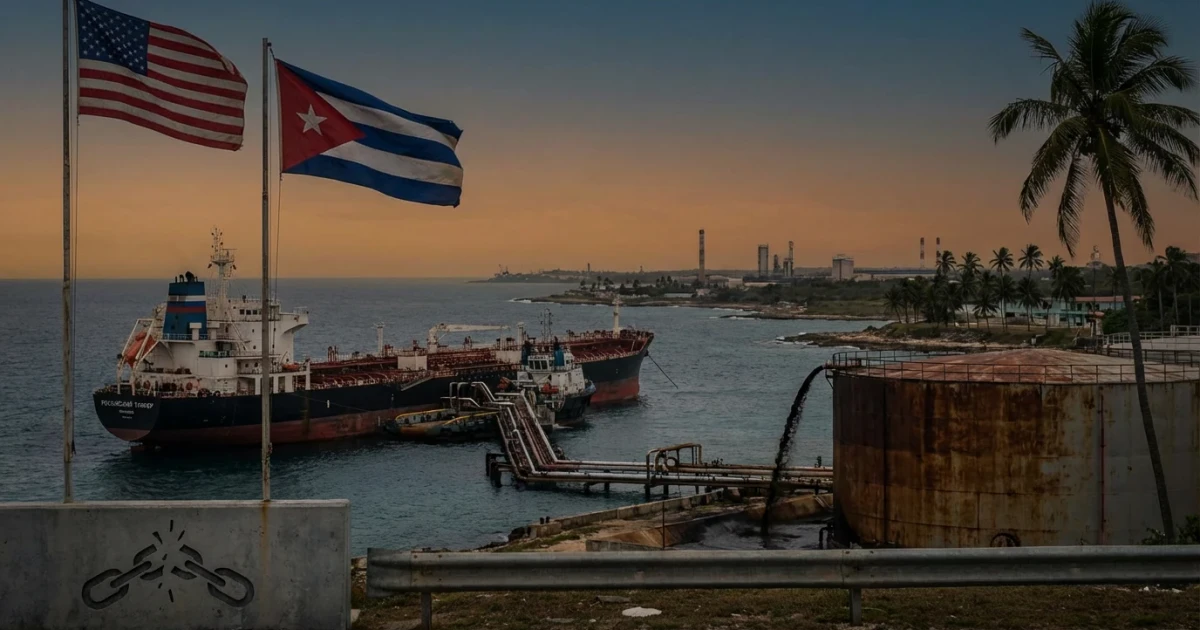
The Biden administration has decided to allow a Russian oil tanker to deliver fuel to Cuba, effectively easing the strict measures that had previously blocked such shipments under the Trump administration. The move signals a significant change in the United States’ approach to Cuba’s energy supply and its broader sanctions policy.
Background: Trump-Era Fuel Blockade
During the Trump administration, the U.S. enacted a series of sanctions on Cuba designed to cut off vital energy imports. These included targeting vessels and shipping companies involved in transporting oil, particularly from Venezuela and Russia, to the island. As a result, Cuba has faced severe fuel shortages in recent years, with power outages and economic hardship worsening for ordinary citizens, as documented by multiple international reports.
A Shift in U.S. Policy
The Washington Post reports that the Biden administration has made the decision to let a Russian oil tanker, previously subject to U.S. sanctions, dock in Cuba and deliver its cargo. While the administration has not formally announced a broad lifting of the blockade, allowing this shipment marks a departure from the previous policy of strict enforcement. The move was first reported by The Washington Post and echoed by The New York Times.
U.S. officials have not publicly commented on the specific reasons for the decision. However, analysts suggest it may be an attempt to ease humanitarian pressure on the Cuban population or to signal a willingness to revisit aspects of the U.S.-Cuba relationship. The U.S. Energy Information Administration’s analysis of Cuba’s energy sector highlights the importance of oil imports, noting that the country relies heavily on shipments from Russia and Venezuela to meet its domestic needs.
Implications for Cuba and U.S. Policy
- Cuba’s economy has struggled with fuel shortages, leading to widespread blackouts and disruptions in transportation and industry. Even a single large shipment can have a substantial short-term impact, according to energy sector analysts.
- The blockade had been enforced through the OFAC Specially Designated Nationals and Blocked Persons List (SDN List), which identified ships and companies engaged in oil transport to Cuba.
- Maritime data from the UNCTAD Maritime Transport Statistics shows a marked decrease in tanker arrivals to Cuba following the imposition of U.S. sanctions, underscoring the blockade’s effectiveness in recent years.
Allowing the Russian tanker to reach Cuba is being interpreted by some experts as a humanitarian gesture. Others caution that it may open the door to further easing of restrictions, potentially complicating U.S. relations with both Cuba and Russia.
Expert Perspectives and Next Steps
While the Biden administration’s future plans regarding Cuba policy remain unclear, this latest development could be a sign of a more flexible approach. The situation is being closely watched by international observers, Cuban officials, and U.S. lawmakers.
As the global energy market continues to shift, the ability of countries like Cuba to access oil imports remains a key factor in their economic stability. Ongoing updates from U.S. agencies such as U.S. Customs and Border Protection and the Energy Information Administration will provide further insight into the effects of these policy changes.
For now, the arrival of the Russian oil tanker marks a notable shift in U.S. enforcement and has immediate implications for Cuba’s energy supply and economic outlook.