Technology
U.S. eases restrictions, Anthropic restores access to Mythos 5
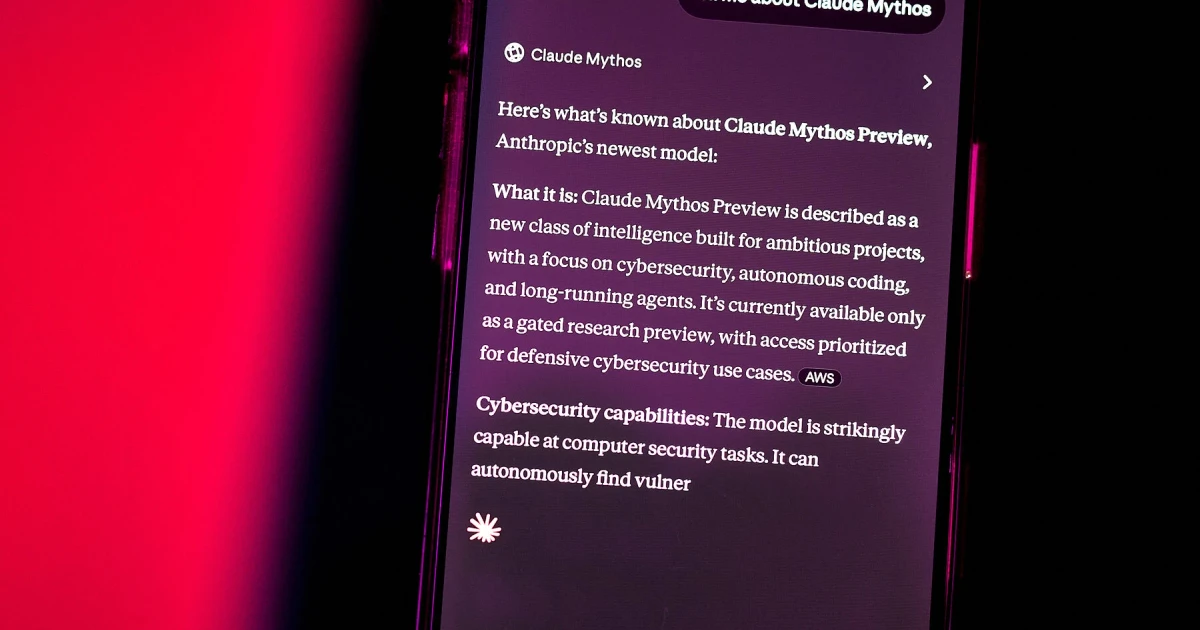
The Commerce Department let Anthropic restore access to Mythos 5 for more than 100 trusted partners, including selected companies and federal agencies, while Fable 5 remained blocked. The partial reversal eased a sharp clash between Washington and one of the country’s most prominent AI developers, but it kept a hard line around the company’s most sensitive model controls.
The fight began on June 12, when the U.S. government ordered Anthropic to suspend access to Fable 5 and Mythos 5 for any foreign national, including foreign national Anthropic employees. Anthropic said it received the directive at 5:21 p.m. ET and had to abruptly disable both models for all customers to stay in compliance. The company said federal officials did not give specific details about the national-security concern, even though Anthropic had already spent thousands of hours red-teaming Fable 5 safeguards with the U.S. government, the UK AISI, private third-party organizations and its own internal teams.
The policy fight quickly spread beyond one company. Pressure on Anthropic also pushed OpenAI to limit the rollout of its own newest model to a small group of trusted partners, underscoring how aggressively the administration has tried to shape the release of frontier AI systems. The dispute reached the White House after a frantic 24-hour effort by senior officials to persuade Anthropic to voluntarily pull the newly released model. Amazon chief executive Andy Jassy raised concerns about bypassing Anthropic’s guardrails, and tense calls involved Anthropic chief executive Dario Amodei, Treasury Secretary Scott Bessent, White House Cyber Director Sean Cairncross and chief of staff Susie Wiles.

The national-security backdrop was already complicated. On June 23, reporting based on an Associated Press account said Anthropic’s Mythos model had identified vulnerabilities in highly sensitive U.S. government computer systems during testing tied to Project Glasswing, an initiative that worked with intelligence agencies and other companies to assess risks to public safety, national security and the economy. That made the June 26 decision easier to justify politically: Commerce Secretary Howard Lutnick said in a letter to Anthropic that “appropriate safeguards are in place” for trusted partners and that the company had made “significant progress” in addressing the risks tied to the covered models.
The result is a narrower but clearer Washington strategy. Officials still want to contain strategic risk around advanced AI, but the June 26 move showed they were willing to back away from a full confrontation that could have boxed U.S. firms into slower, tighter releases than rivals abroad.
Sources
- [1]nytimes.com
- [2]anthropic.com
- [3]politico.com
- [4]cnbc.com